
Lieferung heute & morgen

Qualitätsgarantie

Willkommens-Angebote freischalten: KOSTENLOSE Lieferung | Bis zu 80 % RABATT | Kostenlose 30-Tage-JoyPlus-Testphase
App herunterladen
Choosing the right camping gear can quickly feel overwhelming. The market is flooded with products touting technical specs and marketing promises. However, not every advertised feature is useful for every trip. Often, the most heavily promoted features lead to unsuitable purchases. This guide will help you identify the crucial criteria and avoid common pitfalls, ensuring your next outdoor experience is built on a solid foundation.
Before diving into the details, it's helpful to understand three common misconceptions that often lead to disappointment:
To make an informed decision, you should focus on a few essential technical features. These determine the real-world performance of your outdoor gear far more than mere marketing specs.
When buying a camping tent, three factors are crucial for weather protection:
A restful night's sleep depends on the combination of a camping sleeping bag and a camping mat.
For chairs and tables, two values are critical for durability and transport:
The right gear always depends on its intended use. Here are some product suggestions tailored to specific user profiles.
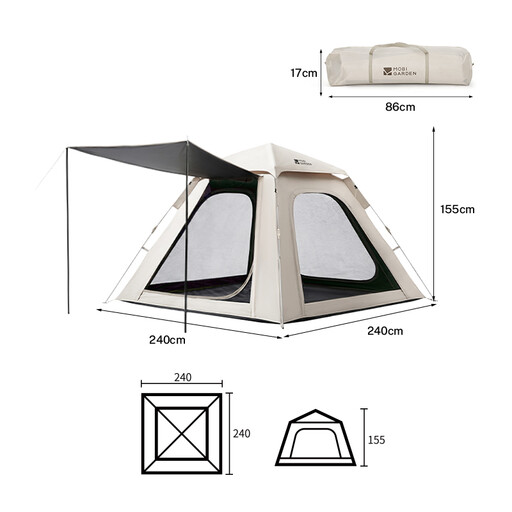
Why It's a Good Fit: The focus here is on maximum convenience. The automatic setup mechanism reduces stress on arrival, especially with impatient children. The blackout feature is ideal for creating a peaceful sleeping environment, even in daylight.
This tent bypasses the weight vs. comfort dilemma by deliberately prioritising comfort and easy setup over minimal weight—perfect for car camping.
Automatic pop-up mechanism for quick setup; blackout fabric with UPF50+; spacious interior (approx. 5.76 m?).
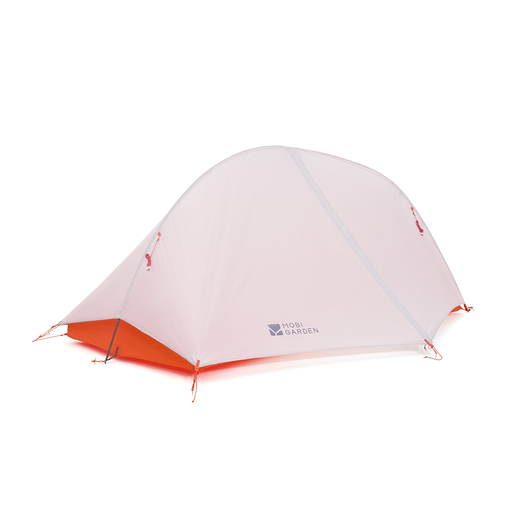
Why It's a Good Fit: For long hikes and backpacking trips where every gram in your trekking backpack counts. This tent is rigorously optimised for minimal weight and pack size without compromising on weather resistance.
It addresses the "water column" fixation by combining a solid 2000mm PU coating with lightweight, tear-resistant 20D ripstop nylon and sealed seams—a balanced technical solution.
Extremely low weight (approx. 1.18 kg); small pack size (48 × 11 cm); poles made of lightweight aluminium alloy.
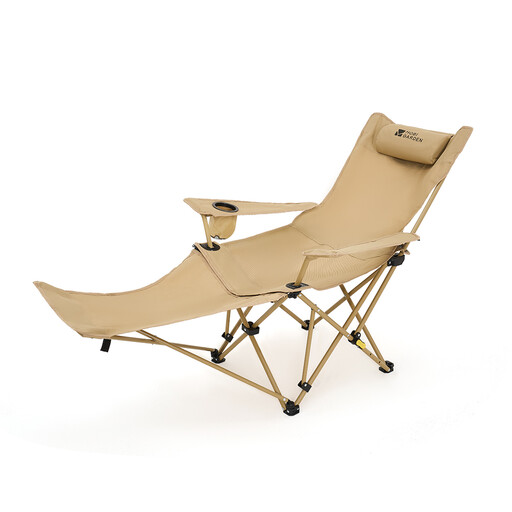
Why It's a Good Fit: Ideal for anyone who doesn't want to compromise on comfort while camping, fishing, or in their own garden. The adjustable backrest allows for a relaxed reclining position that goes far beyond the function of a simple chair.
This model solves the pack size problem with a thoughtful folding design. Despite its size and features, it folds down to a transportable size (approx. 93 × 24 cm).
Three-position adjustable backrest; sturdy steel tube construction with 110 kg load capacity; integrated cup holder and side pocket.
We've compiled a comprehensive, up-to-date list of products that meet these selection criteria.
The water column, measured in millimetres (mm), indicates how waterproof a material is. A value of 2000mm means the fabric can withstand a 2-metre-high column of water before it penetrates. According to European standards, a tent fabric is considered waterproof from 1500mm. For the groundsheet, a higher value (e.g., 3000mm or more) is advisable, as body weight creates additional pressure.
Proper care is crucial for longevity. Always store your tent and sleeping bag completely dry to prevent mould, mildew, and damage to the coating. Clean the gear after each use with a damp cloth and plain water; avoid chemical detergents. When storing your tent, fold it differently each time to prevent crease fatigue.
For typical summer nights where temperatures rarely drop below 10°C, a sleeping bag with a comfort rating between +8°C and +14°C is a good choice. Rectangular or blanket-style models offer more freedom of movement and can be used as an open blanket in warmer weather. Look for a breathable outer material to reduce perspiration.