
Lieferung heute & morgen

Qualitätsgarantie

Willkommens-Angebote freischalten: KOSTENLOSE Lieferung | Bis zu 80 % RABATT | Kostenlose 30-Tage-JoyPlus-Testphase
App herunterladen
By the Joybuy Product Recommendation Officer, August 29, 2026
Planning an outdoor adventure, whether it's a weekend getaway or a challenging trek, starts with choosing the right equipment. However, the market for camping gear is filled with marketing promises and technical specs that often create more confusion than clarity. Many buyers invest in products that prove unsuitable in practice. This guide focuses on the objective criteria that will help you make an informed decision and sidestep common purchasing pitfalls.
Before we dive into the details, it's important to understand the most common issues that lead to disappointment.
To avoid these traps, you should focus on verifiable technical parameters. These three aspects are central to your gear's functionality.
The hydrostatic head, measured in millimetres (mm), indicates how much water pressure a material can withstand before moisture penetrates. For a waterproof tent in Central Europe, the following guidelines apply:
The tent fabric and poles are the primary determinants of weight, stability, and lifespan.
Always pay attention to the total weight and pack size in relation to the number of people and the intended use.
An often-neglected point is ventilation. Without sufficient air circulation through mesh windows and vents, condensation will form inside the tent—even when it's completely dry outside. This is particularly important for high-occupancy tents, such as a family tent.
Instead of making blanket recommendations, we have identified products that meet specific user profiles and take the above criteria into account.
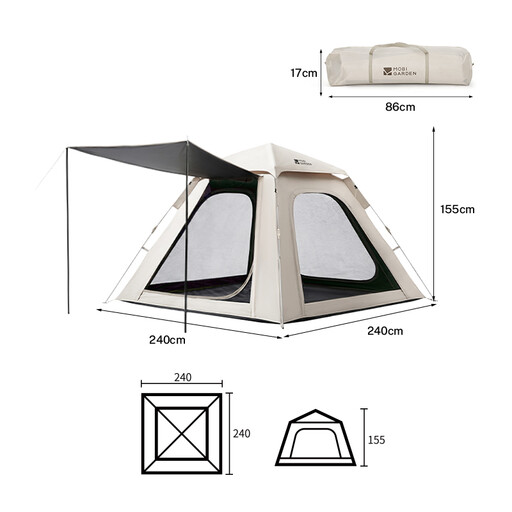
Why it fits the profile: Perfect for spontaneous trips, festivals, or as a picnic shelter. Its quick setup and easy handling are crucial for casual users who don't want to spend time with complicated instructions.
The product description specifies a clear PU2000mm hydrostatic head and a simple folding structure, addressing the typical problems of pop-up tents (unclear waterproofing, difficult takedown).
The blackout fabric blocks sunlight for better sleep, and the five-sided ventilation system ensures a pleasant interior climate.
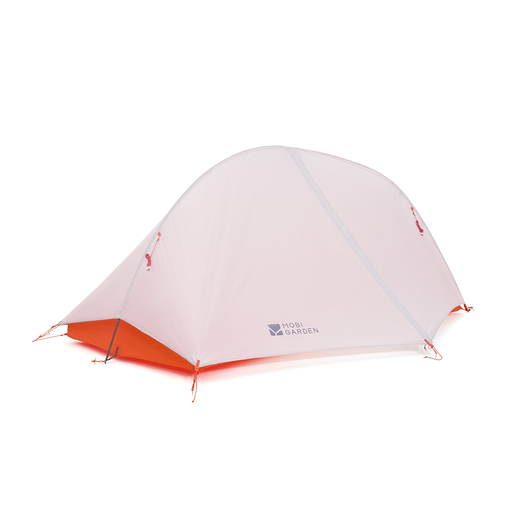
Why it fits the profile: For hikers where every gram counts. This tent is consistently designed for minimal weight and pack size without compromising weather resistance for 3-season tours.
It solves the weight and pack size pitfall with its design as an ultralight tent (approx. 1.18 kg). The material specifications (20D ripstop nylon, aluminium poles) are precise and prove its high quality.
The extremely low weight, combined with a stable aluminium frame and a reliable PU2000mm coating, offers balanced performance for long distances.
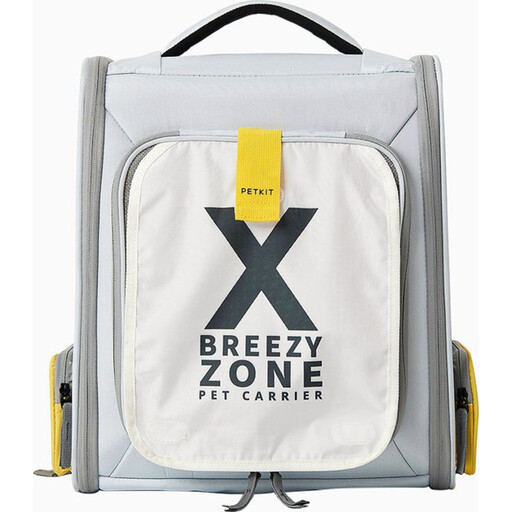
Why it fits the profile: For pet owners who travel with their small dog or cat (up to 6 kg). This pet carrier backpack combines portability with a comfortable sanctuary for the animal.
It avoids the pitfall of unsuitable carriers that can cause stress and overheating. The highly breathable mesh fabric and blackout shade create a safe and comfortable environment.
The innovative 2-in-1 design with an expandable tent area gives the pet extra room to move at the destination, significantly increasing travel comfort for the animal.
In addition to the right tent and gear, lighting also significantly contributes to comfort and safety. A well-chosen set of outdoor string lights not only creates a pleasant atmosphere but also helps with orientation in the dark. Products like battery-operated party string lights with a timer function are a practical addition to any campsite.
We have compiled a complete, up-to-date list of products that fully meet these strict selection criteria and German safety regulations.
For typical camping trips in Germany and neighbouring countries, a hydrostatic head of 2,000 mm on the flysheet and 3,000 mm on the groundsheet is an excellent benchmark. This provides reliable protection from most rain showers without unnecessarily driving up the cost.
A pop-up tent (or instant tent) is designed for maximum setup convenience. It unfolds by itself using an integrated tension mechanism. Its disadvantage is often a larger, more cumbersome pack size (usually a round disc). A backpacking tent is optimised for hiking. It is extremely lightweight, has a very small pack size, and is manually set up with separate poles, which provides more stability in windy conditions.
Clean your tent after each use with a damp cloth and plain water. Do not use harsh cleaning agents. It is crucial to let the tent dry completely in a shady, well-ventilated area before packing it away. Moisture in a packed tent leads to mould and damages the coating. Store your gear in a cool, dry place.