
Lieferung heute & morgen

Qualitätsgarantie

Willkommens-Angebote freischalten: KOSTENLOSE Lieferung | Bis zu 80 % RABATT | Kostenlose 30-Tage-JoyPlus-Testphase
App herunterladen
A well-equipped camping kitchen is the heart of any successful outdoor adventure. But the market is flooded with products that overpromise and underdeliver. Many campers and outdoor enthusiasts invest in gear that quickly proves to be impractical, unstable, or not durable. Before you assemble your kit, it's crucial to understand the most common pitfalls to make an informed decision.
The three most common problems when choosing outdoor cooking accessories are:
To avoid these issues, base your purchasing decision on objective parameters. Instead of being swayed by marketing promises, focus on the following three core aspects.
The material is crucial for the functionality and lifespan of your gear.
The choice of stove largely depends on your destination and power supply.
A well-designed camping kitchen is distinguished by its storage efficiency. Look for products specifically designed for mobile use. This includes pot sets with detachable handles, stackable dinnerware, or foldable stoves. According to manufacturers, such designs can save up to 70% of storage space, making them a smart addition to any RV setup or backpack.
Instead of making a blanket recommendation, we have identified products tailored to specific user profiles.
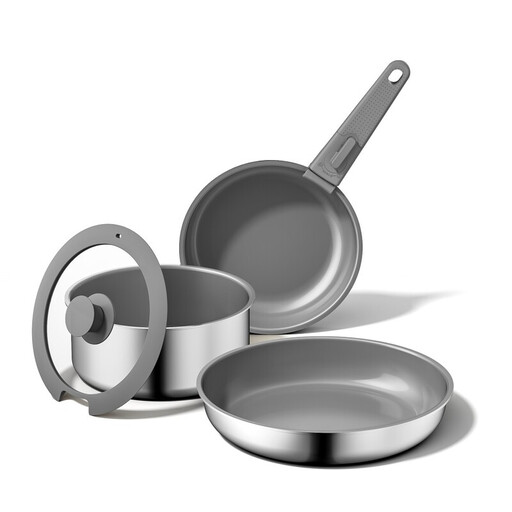
Why it's a great fit: Ideal for RV owners, small kitchens, or campers who value maximum space efficiency without compromising on cooking quality.
Solves the problem of bulky design with a detachable handle and a stackable construction that saves up to 70% of space, according to the manufacturer.
The three-ply stainless steel construction ensures even heat distribution on all stovetops, including induction. The ceramic coating is PFOA-free.
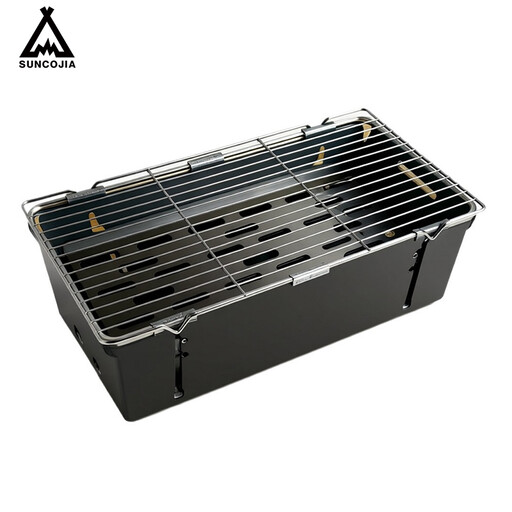
Why it's a great fit: For campers and festival-goers seeking a robust, flexible, off-grid cooking solution that can be powered by various fuels.
It counters the problem of unstable designs with a thickened carbon steel body that withstands high temperatures and doesn't wobble.
The stove folds down quickly and comes with a matching carrying case. It's compatible with various fuels, offering maximum flexibility in the great outdoors.
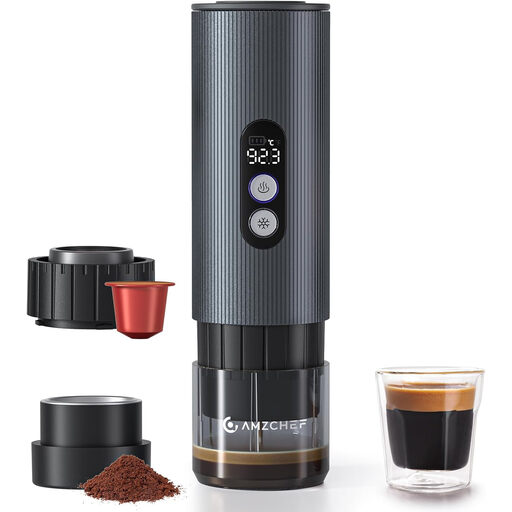
Why it's a great fit: For anyone who refuses to give up a high-quality espresso with a genuine crema, even when camping, travelling, or at the office.
This isn't a cheap gadget but a fully-featured, portable espresso machine. It solves the problem of making high-quality coffee without bulky equipment or a power outlet.
The machine self-heats water with an integrated 9000mAh battery and is compatible with both capsules and ground coffee. Its high extraction pressure ensures a professional-grade crema.
We have compiled a complete, up-to-date list of products that fully meet these strict selection criteria and safety standards.
A camping stove with a gas canister is ideal for cooking in remote locations without electricity, as it operates completely off-grid. It provides powerful, fast heat. An electric hot plate, on the other hand, is a clean and safe option for campsites with a power hook-up, for use in an RV, or as an auxiliary cooktop at home. The temperature can often be controlled more precisely, but you are dependent on a 230V outlet.
Stainless steel cups and cookware are very low-maintenance. After use, clean them with warm water and a mild dish soap. Use a soft sponge to avoid scratching the surface. Although many stainless steel products are dishwasher-safe, hand washing will extend the life of the polished finish. Dry the cookware thoroughly to prevent water spots.
The ideal pack size depends on your style of travel. For backpacking trips, every ounce and inch counts; this is where collapsible cups, ultralight stoves, and multifunctional outdoor cooking accessories are crucial. If you're travelling by car or RV, you have more leeway, but even then, stackable pot sets and compact designs help maintain order and make efficient use of valuable storage space.