For comparing mixes at a campsite, wired in-ear headphones with a suitable sound profile and a consistent fit are a natural choice, as long as they’re compatible with your playback device. Etymotic positions the ER2SE as having a flat response, while beyerdynamic describes the DT 70 IE as suitable for mixing and critical listening. However, manufacturers’ claims don’t guarantee a neutral sound for every listener. Bluetooth can be handy for finished mix files, but for direct input monitoring, consider the latency of the entire signal chain. Strong noise isolation can also make it harder to hear someone speaking to you or to pick up warning signals.
Who are in-ear headphones for comparing mixes while camping suited to?
Mobile mix reviewers
You repeatedly compare small changes to a recording at the campsite and want a suitable sound profile and a consistent fit, rather than simply powerful bass. Etymotic and beyerdynamic position certain models for flat response or critical listening.
Listeners at busy campsites
You want to hear less of the conversations and other campsite noise while listening, but need to consider when you’ll have to hear someone speaking to you or pick up warning signals. The World Health Organization notes that well-fitting, noise-isolating headphones can help reduce the temptation to turn up the volume in noisy surroundings.
Musicians recording on the go
You listen to the audio directly while playing or recording, so you need a suitable signal path with as little latency as possible. Ableton describes direct monitoring through an audio interface as a way to avoid routing the signal through software. Apple warns that Bluetooth adds latency in Logic Pro.
What should you look for when buying?
First, decide whether you’ll be comparing finished mixes or listening live while playing or recording. Then check the sound profile and fit, how the headphones handle campsite noise, and whether the connection works with your audio source.
| What matters |
What to check before buying |
Who is it important to? |
| Sound profile |
Check the manufacturer’s description against familiar reference tracks, and make sure you get a consistent fit in both ears. |
If I want to judge small changes in level or sound, I need a reliable comparison using familiar material. Around 36% of consumers are likely to prioritise mix accuracy. |
| Noise isolation |
Check the eartips and seal; don’t assume the stated isolation figures reflect your personal experience. |
At a busy campsite, I want to reduce background noise rather than turn up the volume to drown it out. Around 29% of consumers are likely to prioritise noise isolation. |
| Fit and awareness of your surroundings |
Check the different eartip sizes and how they feel in your ears. Bear in mind that strong noise isolation can make conversations and warning signals harder to hear. |
If I’m listening for a long time but still need to hear important sounds at the campsite, comfort and being able to take the headphones out matter. Around 21% of consumers are likely to prioritise this. |
| Connection and latency |
Check the audio source’s output or the adapter you’ll need. For direct monitoring, check the entire signal chain. |
When listening live, I want a suitable connection without relying on a Bluetooth link that adds latency. Around 14% of consumers are likely to prioritise connection and direct monitoring. |
Avoiding buying and usage mistakes
-
Treating the highest noise-isolation figure as a personal measurement
Real-world noise isolation also depends on the eartips and fit. It can also make important sounds around you harder to hear.
Try the available eartip sizes and check both ears at a moderate volume. Take your headphones out if you need to hear someone speaking to you or pick up a warning.
-
Assuming powerful bass or manufacturers’ claims prove a mix-neutral sound
Models have different sound profiles, and the way a manufacturer positions a product doesn’t prove how it will sound in your ears.
Compare familiar recordings at the same volume, and check important mixing decisions on a second playback system you know well.
-
Assuming Bluetooth listening is the same as direct input monitoring
Bluetooth adds latency, which you may notice while playing or recording. The delay is less of a concern when listening to finished mix files.
Before buying, decide whether you’ll only be comparing finished files or listening live, and check the full connection path. Apple recommends using Bluetooth in Logic Pro only for mixing or listening.
If you switch to a wired connection, you may also need a suitable cable or audio adapter, depending on your audio source.
-
Assuming protection ratings and replacement cables are the same across models
The DT 30 IE is rated IP54, while the DT 70 IE is listed as IP68 in the series description. Detachable cables may also have model-specific connectors.
Before ordering accessories, check the exact model number, protection rating and both cable connectors. If your headphones get wet, follow the guidance for your specific model.
Key brands to consider
Etymotic
The manufacturer positions the ER2SE as a flat-response option for critical listening. According to Etymotic, the ER2XR has a different bass response.
- Etymotic lists a detachable cable and 35–42 dB of passive noise isolation for the ER2SE.
- The stated noise-isolation figure doesn’t guarantee a personal fit or a neutral sound for you. Check the eartips and connection.
beyerdynamic
The manufacturer positions the DT 70 IE for mixing and critical listening, and the DT 30 IE as a professional monitoring in-ear with replaceable parts.
- beyerdynamic lists IP68 for the DT 70 IE in its DT IE series description and IP54 for the DT 30 IE on its product page.
- The protection ratings apply only to the models specified and shouldn’t be assumed to apply to others. Claims about sound and precision reflect the manufacturer’s positioning.
Audio-Technica
Audio-Technica positions the ATH-E70 for professional monitoring and studio mixing; the ATH-E40 is another monitoring option.
- For the ATH-E70, the manufacturer lists silicone eartips in four sizes, one pair of foam eartips, a detachable A2DC cable and a 6.3 mm adapter.
- The claimed suitability for precise balancing is the manufacturer’s description. Replacement cables must be compatible with the model.
Shure
The SE215 is a wired monitoring in-ear with a choice of eartips and a detachable cable.
- Shure lists an MMCX connector, a Fit Kit and noise reduction of up to 37 dB.
- Shure also describes the sound as having deep bass. The manufacturer’s figure doesn’t prove the level of noise isolation you’ll get or make it a neutral mix reference.
Sennheiser
The IE 100 PRO is a wired monitoring option. For the IE 100 PRO Wireless, Sennheiser also lists a Bluetooth adapter.
- Sennheiser lists an impedance of 20 Ω and noise attenuation of less than 26 dB in the IE 100 PRO specifications. For the wireless version, the manufacturer lists an adapter and standard cable.
- A Bluetooth adapter doesn’t prove that the headphones are suitable for latency-critical input monitoring. Check the wired connection and the complete signal path for this.
Joybuy products for listening to finished mixes on the go
This Joybuy selection features wireless in-ear headphones for listening to finished mix files on the go. Bluetooth isn’t the same as direct input monitoring, and the products listed aren’t evidence of a neutral mix response.
 No image available
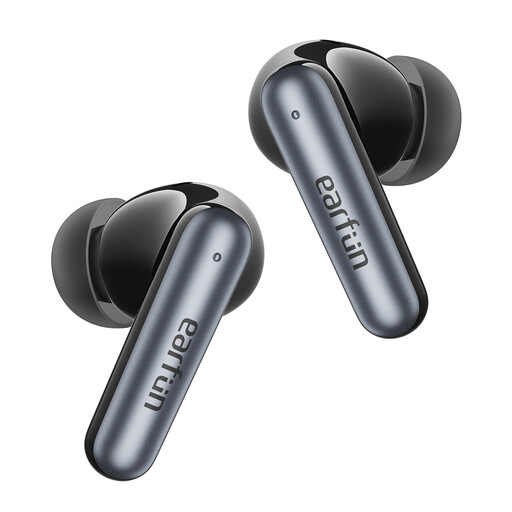
EarFun Air Pro 4i True Wireless, Black
For listening to finished mix files on the go via Bluetooth; not proof of a neutral mix reference.
Bluetooth 5.4, LDAC, 11 mm drivers, ANC, 40 hours of battery life and IP55.
View at Joybuy
 No image available
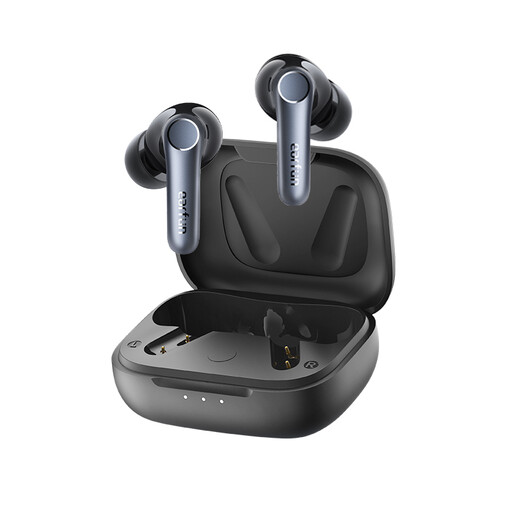
EarFun Air Pro 4 True Wireless, Black
For listening to finished mix files on the go via Bluetooth; the EQ specification isn’t proof of a neutral mix reference.
Bluetooth 5.4, LDAC, aptX Lossless, 10 mm drivers, 52 hours of battery life and IP55.
View at Joybuy
 No image available
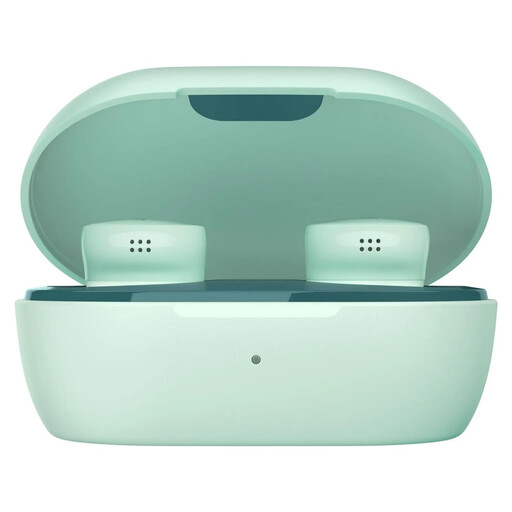
Bose QuietComfort Wireless Earbuds, Dewdrop Mint
For listening to finished mix files on the go via Bluetooth; adjustable EQ doesn’t prove a neutral mix response.
Bluetooth 5.3, multipoint, up to 8.5 hours of battery life and IPX4.
View at Joybuy
 No image available
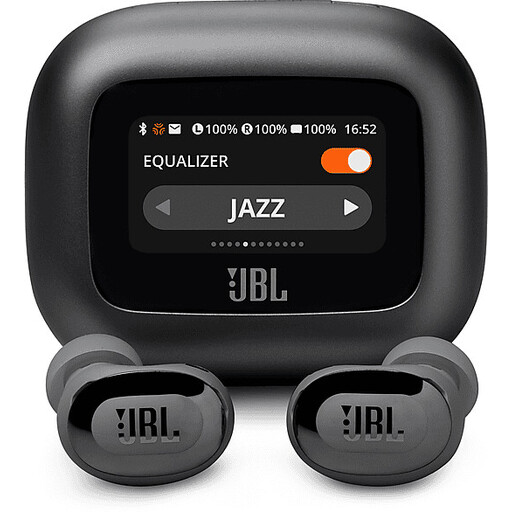
JBL LIVE BUDS 3 True Wireless, Black
For listening to finished mix files on the go via Bluetooth; the EQ specification doesn’t prove a neutral mix reference.
Smart charging case and wireless charging.
View at Joybuy
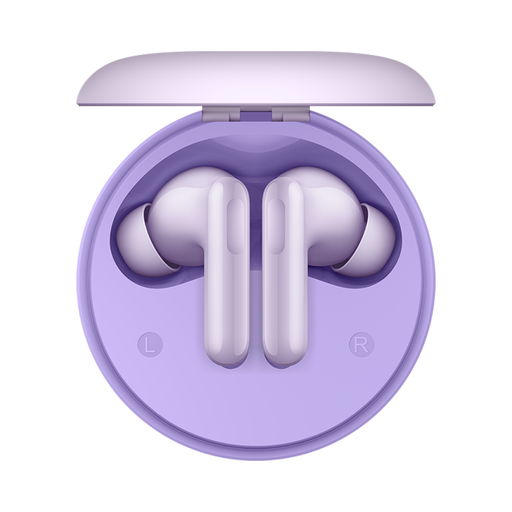 No image available
HONOR Earbuds A Pro
For listening to finished mix files on the go via Bluetooth; the product description doesn’t specify a sound profile for critical mix comparisons.
12.4 mm drivers, active noise cancellation and up to 42 hours of battery life.
View at Joybuy
Frequently asked questions about in-ear headphones for camping
How do I check the fit before comparing mixes?
Try the available eartip sizes in both ears and compare the same familiar passage at the same moderate volume. The manufacturer’s maximum noise-isolation figures are no substitute for checking the fit yourself. Don’t turn up the volume just to drown out campsite noise.
Can I use Bluetooth instead of a cable when recording?
Bluetooth is an option for mixing or listening to finished mixes. Listening live adds latency, so check the cable connection, audio interface and monitoring settings. Apple recommends using Bluetooth in Logic Pro only for mixing or listening.
What should I bear in mind after using my headphones at a damp campsite?
Check the protection rating for your exact model and the care instructions before exposing your headphones or connectors to moisture. beyerdynamic lists IP54 for the DT 30 IE and IP68 for the DT 70 IE in its series description; these ratings aren’t interchangeable. Sennheiser lists a cleaning tool as included with the IE 100 PRO.
What are my rights when returning in-ear headphones?
For an online purchase in Germany, you generally have a 14-day right to cancel, as explained by the Verbraucherzentrale. Section 312g of the German Civil Code (BGB) provides an exception for certain sealed goods that aren’t suitable for return for hygiene reasons if the seal has been removed after delivery. This isn’t a blanket exclusion covering all in-ear headphones. Your statutory rights and a voluntary guarantee are separate entitlements.
What should I check when buying replacement cables and eartips?
Check the connector and model number before ordering a replacement cable, as detachable cables aren’t necessarily interchangeable between models. For eartips, also check the size and fit in both ears. The sizes and accessories included vary by model.


