If the stated fibre content is your priority when choosing camping porridge, it’s worth comparing oat bran with traditional rolled oats. Kölln lists 19 g of fibre per 100 g for its oat bran flakes, while Seitenbacher lists 18 g for its oat bran. Specific fine oat flakes from Kölln and REWE Bio contain 9.2 and 9.4 g per 100 g respectively. For a breakfast made with cold liquid, flakes specifically designed to dissolve quickly are more practical, while jumbo oats need longer to soak. If you have coeliac disease, the explicit gluten-free label on the specific product is essential, whatever type of oats you choose.
Which oat products suit different campers
Campers focusing on fibre
If you’re choosing provisions for a multi-day trip and want to compare the stated fibre content per 100 g, you can consider oat bran alongside traditional rolled oats. The different texture needs to suit the meal you have planned, and you’ll also need to factor in enough liquid.
Campers with limited cooking equipment
If all you have in the morning is a cup, cold liquid or very little time, the preparation instructions matter more than the word ‘porridge’. Alnatura says its quick-dissolving oat flakes can be stirred straight into liquid; ordinary fine oats aren’t necessarily the same.
Campers with coeliac disease
When choosing, look for an explicit gluten-free label on the specific oat product. The Verbraucherzentrale (German consumer advice centre) points out that oats can come into contact with cereals containing gluten, so the word ‘oats’ alone isn’t enough to guide your choice.
What to look for when buying
First compare the fibre content per 100 g, then check whether the texture and preparation method suit your camping kitchen. If you need a gluten-free product, check the specific pack rather than relying on the brand.
| Criteria |
What to check |
Who it matters to |
| Fibre content |
Compare the nutritional information per 100 g for the exact variety you’ve chosen; don’t judge bran and oats by their names alone. |
If I’m packing provisions for several days, I want to know how much fibre my chosen portion actually contains. Around 36% of consumers prioritise this comparison. |
| Preparation |
Look for instructions on using cold liquid or the soaking time required; ‘fine’ doesn’t automatically mean ‘dissolves instantly’. |
Without a stove, I want to be able to make breakfast with the liquid I have to hand, rather than relying on hot water. Around 29% of consumers put this first. |
| Texture and soaking time |
Distinguish between jumbo, coarse, fine and quick-dissolving oats, and allow time for soaking. |
If I want porridge with a bit of bite, I’m happy to leave it to soak for longer. Around 21% of consumers prioritise a texture that suits their breakfast. |
| Gluten-free labelling |
If you have coeliac disease, check for an explicit ‘gluten-free’ label and read the allergen information on the current pack. |
If I have coeliac disease, I need oats labelled accordingly and can’t rely on the type of cereal alone. Around 14% of consumers put this label first. |
Common buying mistakes to avoid
-
Assuming ordinary oats are gluten-free
Oats can come into contact with cereals containing gluten. This makes the product labelling an important consideration in its own right if you have coeliac disease.
Check for an explicit ‘gluten-free’ label and read the allergen information on the pack, rather than assuming it’s suitable because it says ‘oats’.
-
Assuming fibre content makes a complete meal
The fibre figure is only one part of the nutritional information. Oat bran also has a different texture from traditional rolled oats, and doesn’t replace the need to plan the rest of your food for the trip.
Compare fibre per 100 g, plan your portion and allow for enough liquid. Put your breakfast together with the rest of your planned provisions in mind.
-
Treating coarse oats like instant porridge
Jumbo oats stay firmer and take longer to soak than fine oats. If you can’t cook, this may mean a longer wait.
For a quick breakfast, choose a fine variety specifically intended for this purpose. Take jumbo oats if you’ve allowed time for soaking or cooking.
-
Relying on online shop information without checking
Nutritional values and allergen information need to match the pack you actually buy. EDEKA notes that product information shown online may differ from the packaging.
Before packing, check the nutritional information, ingredients and allergen details on the pack again.
Key brands to consider
Kölln
The range includes traditional rolled oats, oat bran and a separate product line labelled gluten-free.
- Kölln lists 19 g of fibre per 100 g for its oat bran flakes and 9.2 g for its organic fine rolled oats.
- The gluten-free label on Kölln Balance fine oats does not automatically apply to other Kölln products.
Seitenbacher
Its oat bran is an option to compare with traditional porridge oats.
- Seitenbacher lists 18 g of fibre and 16 g of protein per 100 g for its oat bran.
- If you need a gluten-free product, check the label on the specific pack.
Alnatura
The varieties mentioned cater for different preparation methods and textures.
- Alnatura describes its quick-dissolving oat flakes as dissolving instantly, and its jumbo oats as coarse and firm to the bite.
- To compare fibre content, check the nutritional information for the variety you’ve chosen; the texture alone won’t tell you the figure.
REWE Bio / ja!
These two own-label ranges offer different types of traditional rolled oats for a simple porridge.
- REWE lists 9.4 g of fibre per 100 g for REWE Bio fine rolled oats; ja! fine rolled oats are described as wholegrain small-flake oats.
- The figure for REWE Bio must not be applied to the ja! variety.
EDEKA Bio / GUT&GÜNSTIG
These own-label ranges are worth considering if you’re choosing between fine and coarse rolled oats.
- EDEKA lists, among other options, an extra-fine variety of rolled oats.
- For its extra-fine variety, EDEKA notes that it may contain traces of other cereals containing gluten, as well as lupin, mustard and soya. Always check the information on the pack you buy.
Brüggen
Brüggen says it processes oat and other cereal flakes, and also manufactures products for own-label ranges.
- The company provides useful manufacturer context for oat flake products.
- Manufacturing information can’t be used to determine the nutritional values of a specific retail pack.
Oat products for different camping breakfasts
This Joybuy selection includes fine oats for easy porridge, oat bran to stir in and coarse oats for anyone who wants a bit more bite. Compare the information on each pack for your portion; if you have coeliac disease, you’ll need an explicit gluten-free label.
 No image available
Kölln Instant Melting Oat Flakes, 250 g
These instant flakes are an option if you’re after a fine texture and minimal preparation for your camping breakfast.
Pack size: 250 g. If you have coeliac disease, check for a gluten-free label on the specific pack before buying.
View at Joybuy
 No image available
Alnatura Organic Fine Rolled Oat Flakes, 400 g
Fine rolled oats are a good choice if you prefer softer porridge rather than a coarser bite when camping.
Pack size: 400 g. If you’re preparing them with cold liquid, check the instructions on the specific pack. If you have coeliac disease, also check for a gluten-free label.
View at Joybuy
 No image available
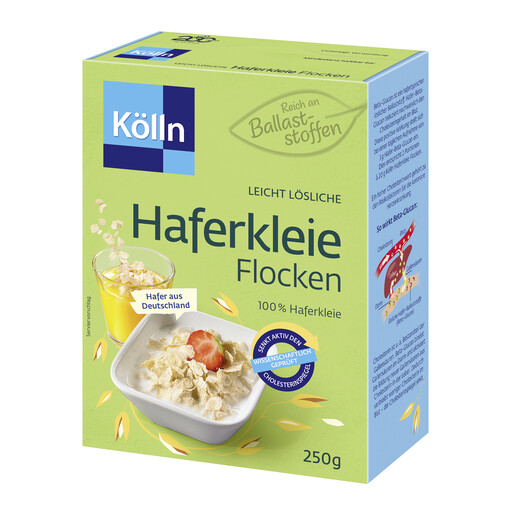
Kölln Oat Bran Flakes, 250 g
Oat bran flakes are worth considering if you want to make or add bran to your camping porridge and are happy to allow for the different texture.
Pack size: 250 g. Check the fibre content per 100 g on the nutritional information for this pack; don’t apply the figure for another Kölln variety. Make sure you have enough liquid.
View at Joybuy
 No image available
Kölln Coarse Rolled Oat Flakes, 500 g
Coarse rolled oats are a good choice for camping porridge with more bite, as long as you allow time for soaking or cooking.
Pack size: 500 g. Check the preparation instructions before planning a meal without a stove; if you have coeliac disease, check for a gluten-free label on the pack.
View at Joybuy
 No image available
Kölln Fine Rolled Tender Oat Flakes, 500 g
These fine rolled oats are a good choice for campers who prefer softer porridge than they’d get with coarse oats.
Pack size: 500 g. If you want breakfast without a stove, check the pack for instructions on preparing them with cold liquid.
View at Joybuy
Frequently asked questions
How do I compare the fibre content of oat bran and rolled oats?
Compare the fibre content per 100 g for the specific products before deciding on your portion. Kölln lists 19 g per 100 g for its oat bran flakes and 9.2 g for its organic fine rolled oats. Seitenbacher lists 18 g for its oat bran, while REWE lists 9.4 g per 100 g for REWE Bio fine rolled oats. These figures apply only to the varieties named, not to all oat bran or rolled oats.
Can I make camping porridge without a stove?
Yes, if you choose a variety specifically intended to be prepared with cold liquid. Alnatura describes its quick-dissolving oat flakes as dissolving instantly. REWE says that fine oats soak more quickly than coarse oats, but that doesn’t mean they dissolve instantly. Check the preparation instructions on your pack.
Are ordinary oats suitable if I have coeliac disease?
No. You can’t tell whether oats are gluten-free from the word ‘oats’ alone. The Verbraucherzentrale (German consumer advice centre) notes that oats may come into contact with cereals containing gluten and gives a maximum limit of 20 mg of gluten per kg for foods labelled ‘gluten-free’. So check for an explicit label on the specific product and read the information on its pack.
How should I store oat products on a camping trip?
Keep the pack dry and tightly sealed. The storage instructions for the Alnatura oat products mentioned and the gluten-free Kölln variety recommend keeping them in a dry place. Also follow the instructions on the pack you’re actually taking with you.


