
Lieferung heute & morgen

Qualitätsgarantie

Willkommens-Angebote freischalten: KOSTENLOSE Lieferung | Bis zu 80 % RABATT | Kostenlose 30-Tage-JoyPlus-Testphase
App herunterladen
A camping sleeping mat needs to do more than just provide a soft surface. It should insulate your body from the cold ground, keep moisture at bay, and pack away compactly after your trip. At the same time, models designed for trekking differ significantly from an inflatable camping mattress intended for the car, festival or guest room.
Mistakes often happen because of three typical marketing pitfalls:
Before buying, you should be clear about where you'll use it, how you'll transport it, and your sleeping position. A sleeping mat for a tent on rocky ground needs different features from a foldable picnic mat.
The R-value describes the thermal resistance of a sleeping mat. The higher the value, the better the mat can limit heat loss to the ground. However, the value is only useful if it's given according to a verifiable testing method. Not every camping sleeping mat on the market states an R-value.
For mild summer nights, a simple foam mat can be sufficient. In cooler conditions, an insulated sleeping mat with a foam structure, reflective layer or multiple material layers makes sense. A thin aluminium foil can serve as a moisture and cold barrier, but shouldn't be relied upon as your sole sleeping surface on cold nights.
For a single-person camping mattress, length, width and height are crucial. The sleeping surface should suit your height and offer enough room to move. Side sleepers often benefit from a higher air mattress, while back or stomach sleepers can manage with a flatter surface.
A double sleeping mat offers more space, but requires a larger pack size. Before buying, check whether it leaves enough room in your tent and whether both people can actually use the stated width. With tall air mattresses, the stability of the valves and seams is also important.
An ultralight sleeping mat is ideal for backpackers and trekking enthusiasts. You should consider the total weight including stuff sack, repair kit and pump. A mat weighing 500 to 800 grams is a different proposition to carry than a double model weighing around 1.6 to 1.7 kilograms.
For inflatable models, TPU-coated nylon, PVC or polyester are common. TPU-coated fabrics can offer a small pack size, while PVC mats tend to support robust, more stationary use. A waterproof sleeping mat protects against moisture, but is still vulnerable to thorns, sharp gravel and broken glass. That's why checking the ground is part of your preparation, regardless of the material.
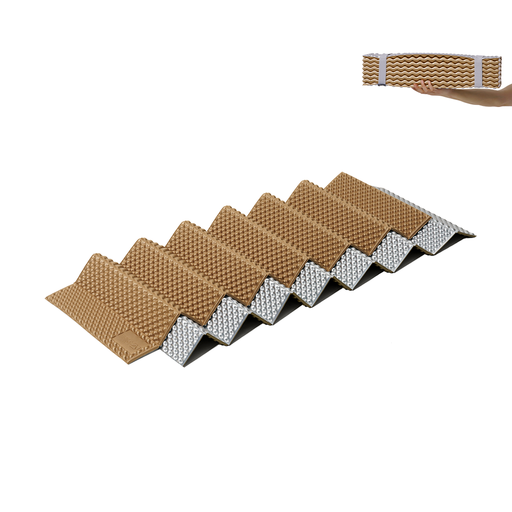
Why this product fits the profile: This foldable sleeping mat is aimed at people looking for a simple, lightweight camping mat for backpacking, trekking and short trips. According to the product information, it weighs around 0.5 kg and packs down to 56 × 13 × 14 cm.
The moulded XPE foam structure provides a stated base with an R-value of 2.6, rather than just promoting insulation based on mat thickness.
Approximately 183 × 55 × 1.7 cm sleeping surface, water-repellent surface and the ability to connect with other mats.
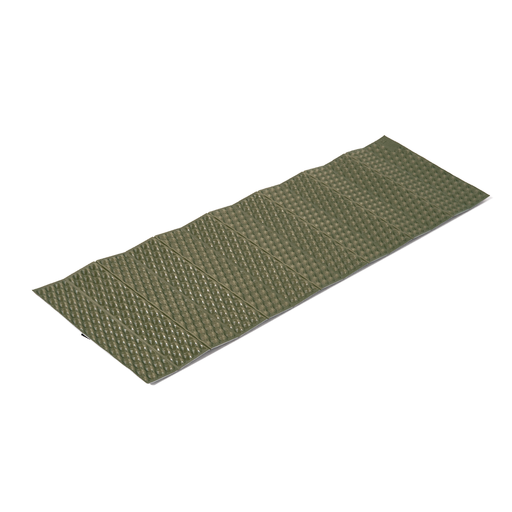
Why this product fits the profile: This 2.6 cm thick foam mat is suitable for campers who want a straightforward sleeping surface without a pump or valve, and who pay attention to a stated insulation value.
The product information states R2.6 and a double insulation structure. This makes it easier to match your choice to conditions than relying on general comfort claims.
183 × 63 cm, approximately 750 g, XPE foam core and a reversible construction.
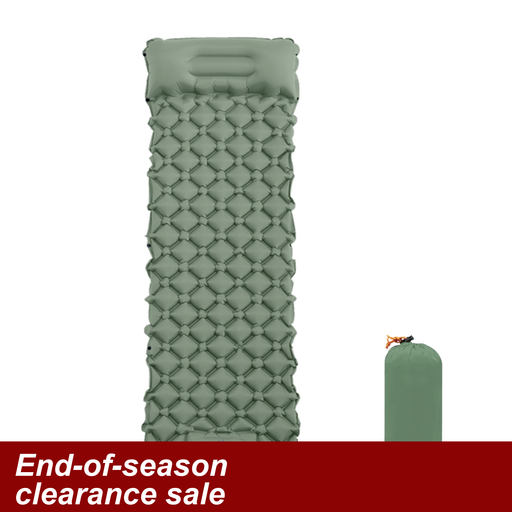
Why this product fits the profile: This inflatable camping mattress is ideal for people who want a 15 cm high sleeping surface, integrated pillow and foot pump for the tent, car, festival or guest stays.
The specifications give concrete dimensions, weight and inflation mechanism: 192 × 58 × 15 cm, approximately 690 g, plus foot pump and double valve.
Compact pack size of approximately 26 × 10 cm, TPU-coated 50D nylon and side connection options for two mats.
A self-inflating sleeping mat with an integrated pump should be set up at home before your first longer trip. Check how many pumping cycles are needed, whether the valves seal properly, and how much space the mat takes up in your tent. With a classic foam mat, this risk is eliminated; however, the pack size is usually less compact.
The Mobi Garden aluminium foil mat measuring 180 × 200 cm and weighing approximately 300 g can serve as a moisture barrier under your tent or as a picnic and beach mat. According to the product information, however, it is thin and not intended as a sole sleeping surface for longer overnight stays in cold conditions. Sharp ground, open flames and direct strong heat should be avoided.
For air mattresses, a suitable pump, repair kit or appropriate patches are part of the practical equipment. After use, the mat should be completely dry before being stored. This doesn't automatically extend its lifespan, but it does reduce the risk of odours, mould and material stress caused by moisture.
We've put together a complete, regularly updated list of products that fully meet these strict selection criteria and the safety regulations in force in the EU.
Check before you go to sleep that all valves are fully closed. Place the mat on a clean surface and avoid over-inflating it. If you experience repeated pressure loss, you can check the valve, seam or surface with soapy water; bubbles indicate a possible leak.
Look for a stated R-value and, if needed, combine a foam mat with an air mattress. A reflective foil mat on its own offers only limited cushioning and, according to the product information for certain models, is not intended for longer cold overnight stays.
The lifespan depends on the material, usage, storage and ground conditions. Sharp stones, thorns, heat and incorrect folding can damage coatings and seams. Clean the surface according to the manufacturer's instructions, dry it thoroughly and store it in a dry place without unnecessary permanent compression.