
Lieferung heute & morgen

Qualitätsgarantie

Willkommens-Angebote freischalten: KOSTENLOSE Lieferung | Bis zu 80 % RABATT | Kostenlose 30-Tage-JoyPlus-Testphase
App herunterladen
A warm meal in the great outdoors can be the highlight of any trip. But that joy quickly fades when a newly purchased camping stove proves unreliable. Many buyers invest in gear that simply isn't up to the practical demands of outdoor use. Before you make a decision, it's crucial to understand the common pitfalls that often hide behind appealing product descriptions.
Three typical problems consistently lead to disappointment:
To make an informed choice, you should focus on objective technical features rather than marketing promises. Three parameters are of central importance.
The choice of fuel largely determines your stove's range of applications.
A stove's power is specified in watts (W). In theory, a higher value means a faster cooking time. In practice, however, efficiency is more critical. A good hiking cook system features an integrated windscreen and often a heat exchanger on the bottom of the pot. These features channel the heat, reduce heat loss from wind, and can cut fuel consumption by up to 30%, according to manufacturers. Pay attention to the stated boil time for one litre of water as a practical benchmark for comparison.
For demanding tours, a lightweight trekking stove is essential. Here, every gram counts. Compact cooking systems where the burner, canister, and accessories can be stowed inside the pot are ideal. However, keep in mind that ultralight models are often less stable or offer a smaller cooking surface. For family camping or car trips where weight is a secondary concern, a more robust and larger outdoor stove can be the more practical solution.
Based on these objective criteria, we have identified several products that represent a considered choice for specific user profiles.
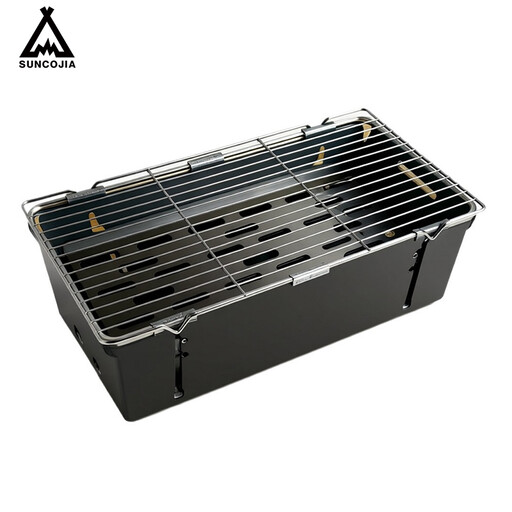
Why It's a Match: Perfect for social gatherings in the garden, at the campsite, or for picnics where a stable and generous cooking or grilling surface is key, and its 3.6 kg weight is not a concern.
The thickened carbon steel construction ensures high stability, avoiding the problem of wobbly stoves. Its open design is optimised for solid fuels like wood or charcoal and is less susceptible to performance loss from wind.
Offers flexibility through its compatibility with various solid fuels and provides a large cooking area thanks to the stainless steel grill grate.
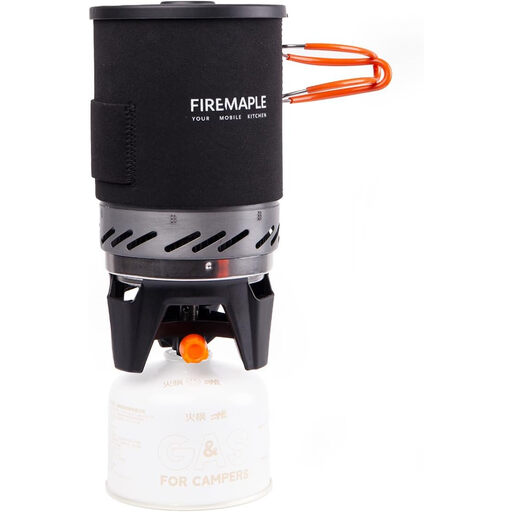
Why It's a Match: Designed for solo travellers on long tours where minimal weight and pack size are critical. The entire system can be stowed away compactly inside the 1-litre pot.
The heat exchanger technology ensures high fuel efficiency and resists the effects of wind, counteracting the problem of inefficient heating. The pack size is transparent, as all components nest together.
Integrated, nesting system for minimal pack size. High efficiency due to the heat exchanger, which saves fuel.
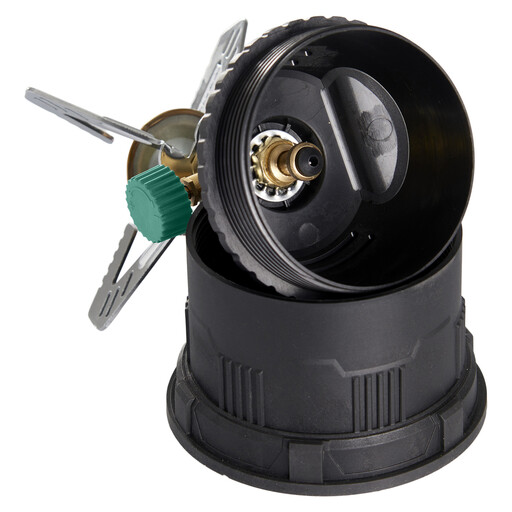
Why It's a Match: A straightforward and reliable solution for weekend getaways, festivals, or fishing trips. At just 0.495 kg, it's light enough for a backpack but still offers a stable base.
The wide design provides good stability on flat surfaces and minimises the risk of tipping. Its 1220-watt output is sufficient for most simple meals, and the flame is precisely adjustable.
Very simple operation and a continuously adjustable flame. The low net weight makes it a practical companion.
We have compiled a complete, up-to-date list of products that fully meet these strict selection criteria and all applicable safety regulations.
1. How long does a gas canister last with an average camping stove? The burn time depends on the stove's power (watts), the outside temperature, wind, and the size of the gas canister used (typically 100g, 230g, or 450g). As a rough guide, a 230g canister can provide about 60 to 90 minutes of burn time at medium power. This is enough to boil water for one person for several days.
2. What should I look for when cleaning and maintaining my outdoor stove? Always let the stove cool down completely after use. For solid fuel stoves, remove the ash. Wipe the unit with a soft, dry cloth to prevent rust. For gas stoves, check the seals and connections for damage or leaks before each use. Store the stove in a dry, well-ventilated place.
3. Can I use any pot on any gas stove? Not necessarily. With integrated cooking systems, the pot and burner are matched to ensure maximum efficiency. Using other pots is often only possible with a separate adapter and can reduce efficiency. With simple screw-on or stand-alone stoves, you can generally use any camping-suitable pot, as long as it sits stably on the pot support and is not too heavy.