
Lieferung heute & morgen

Qualitätsgarantie

Willkommens-Angebote freischalten: KOSTENLOSE Lieferung | Bis zu 80 % RABATT | Kostenlose 30-Tage-JoyPlus-Testphase
App herunterladen
An unreliable camping stove can quickly ruin a trip. Nothing is more frustrating than a cold meal after a long day of hiking because the stove fails in a light breeze or the gas canister runs out unexpectedly. Many buyers fall into traps set by marketing promises. Before you make a decision, it's crucial to understand the common pitfalls that only become apparent in the field.
The 2 Most Common Mistakes When Buying a Camping Stove:
To avoid a bad purchase, you should focus on the technical parameters that define practical utility. These three factors are decisive for the performance and reliability of your stove.
The most common and practical solution for most use cases is the gas stove. In Europe, and particularly in Germany, the standard for screw-on canisters conforming to the EN 417 norm has become dominant. These canisters are widely available and easy to use. Ensure your desired model is compatible with this thread to easily find replacements while on the go. Puncture-style or valve cartridges are less common and often limited to specific brands.
The raw power rating in watts is only half the story. Far more important is how much of that energy actually reaches the pot. This is where so-called stove systems or an all-weather stove come into play. These models often combine the burner with a custom-fit pot that features a heat exchanger on its base. This finned structure increases the surface area and captures the hot air that would otherwise escape up the sides. Such an integrated camping cook set can reduce cooking time by up to 30%, according to manufacturers, thus saving valuable fuel.
For a trekking stove carried in a backpack, every gram and centimetre counts. Look for a "nesting" design, where the burner and a small gas canister (e.g., 110g) can be stored inside the pot. This significantly minimises pack size. The total weight of the set is more critical than the weight of the individual burner. In contrast, a portable gas stove for use at a campsite or on a balcony can be more robust and heavier, but should still provide a stable base and simple operation.
Instead of making a one-size-fits-all recommendation, we have matched products to different user profiles. This will help you find a solution that fits your specific needs.
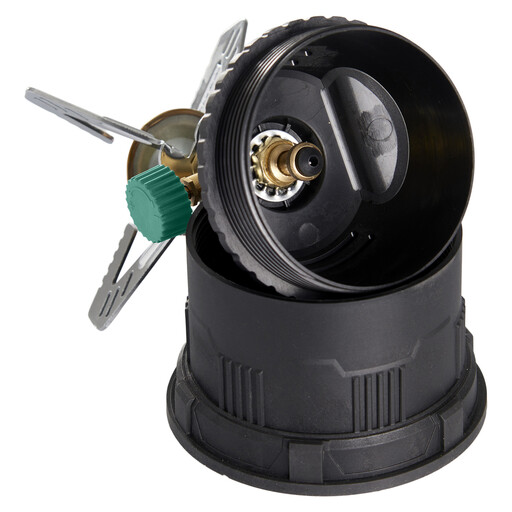
Why This Fits Their Persona: Ideal for users who need a straightforward, stable, and affordable stove for occasional use when camping, at festivals, or for a picnic. Its operation is intuitive and requires no prior experience.
This model avoids the "ultralight trap" by prioritising a wide, stable base. The focus is on reliability and ease of use, not on shaving off every last gram.
Continuously adjustable flame for precise heat control. Robust construction of steel and plastic ensures a long service life.
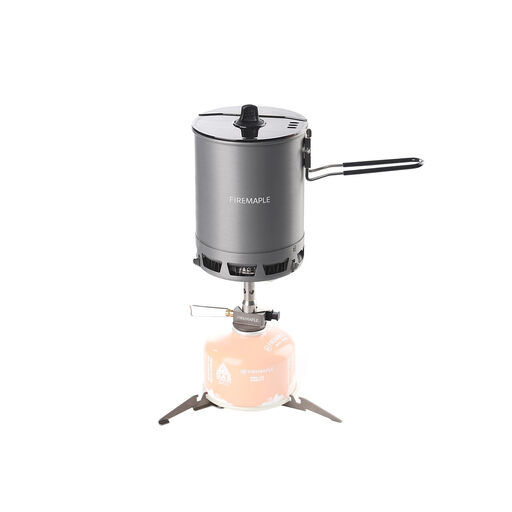
Why This Fits Their Persona: Designed for backpackers and solo hikers for whom every gram counts. The entire system is engineered to take up as little space and weight in a pack as possible.
It solves the efficiency problem with a heat-exchanger pot. Furthermore, it's a completely nesting system, which avoids the trap of an unstable, mismatched setup.
Extremely low total weight of only 265 grams. The stove and a 110g gas canister fit completely inside the 600ml pot.
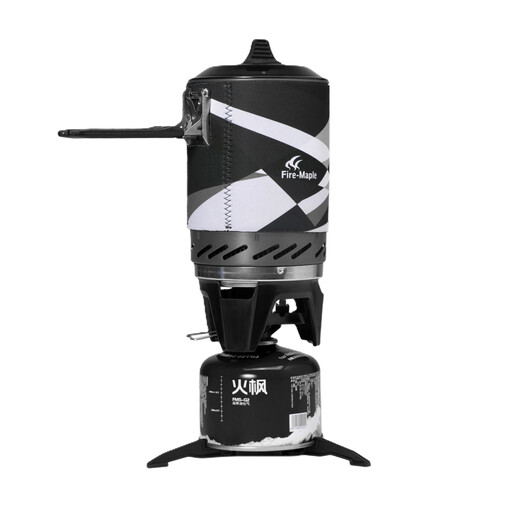
Why This Fits Their Persona: For outdoor enthusiasts who refuse to give up a fast, hot meal, even in windy and cool conditions. Reliability in adverse conditions is the top priority here.
This system is the direct answer to the inefficiency trap. The integrated heat exchanger and built-in wind protection maximise energy output and significantly shorten cooking times.
Optimised heat-exchanger technology for high efficiency. Includes a stable canister stand and features a nesting design for compact transport.
We have compiled a complete, up-to-date list of products that fully meet these strict selection criteria and German safety regulations.
Most modern camping stoves, especially those intended for the European market, use screw-on canisters with a standardised EN 417 thread. These are available from many manufacturers and ensure high compatibility. Always check the stove's product description for the exact canister type required before purchasing.
The burn time depends on several factors: the stove's power (wattage), the flame setting, the ambient temperature, and wind. As a rough guide, a 230g canister can burn for about 60 to 90 minutes at full power. However, an efficient stove system can get significantly more boils out of the same canister than a simple burner without a windshield.
No, absolutely not. Using a gas stove in enclosed spaces like a tent, awning, or vehicle is life-threatening. The combustion of gas produces odourless and invisible carbon monoxide (CO). Without adequate ventilation, this can lead to fatal poisoning. Always operate your stove outdoors and at a safe distance from flammable materials.