
Lieferung heute & morgen

Qualitätsgarantie

Willkommens-Angebote freischalten: KOSTENLOSE Lieferung | Bis zu 80 % RABATT | Kostenlose 30-Tage-JoyPlus-Testphase
App herunterladen
Choosing the right camping tent can make or break an outdoor adventure. But the market is flooded with technical specs and marketing promises that often confuse more than they clarify. The wrong purchase isn't just an annoyance—it can quickly ruin a trip. As your Joybuy Product Recommendation Officer, I'm here to help you identify the crucial features and avoid common pitfalls, so you can make an informed decision.
Three common assumptions, in particular, consistently lead to unsuitable purchases:
To avoid these traps, it's essential to understand a tent's fundamental parameters. Instead of being swayed by marketing slogans, you should base your choice on these objective criteria.
A tent fabric's waterproofness is measured in millimetres of hydrostatic head (mm). This value indicates the water pressure the material can withstand before moisture penetrates. According to the DIN standard, a fabric is considered waterproof from 1,500 mm.
The poles are the tent's skeleton and are critical for its stability. The two most common materials are fibreglass and aluminium.
The intended use determines the ideal tent type. A family tent for the campsite has different requirements than a 2-person tent for crossing the Alps.
Based on these objective criteria, we have selected a few models for different user profiles.
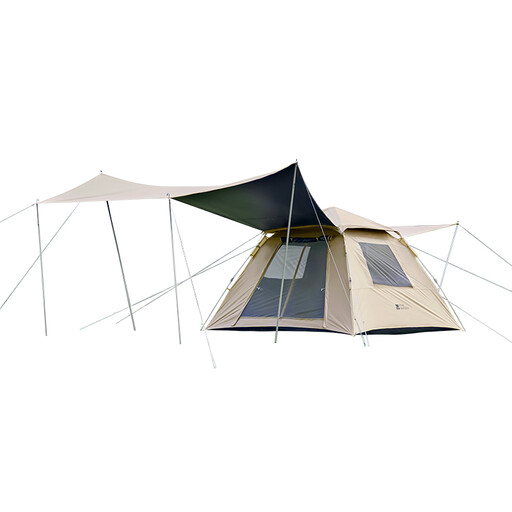
Why This Fits Their Persona: Ideal for families who value a straightforward setup and comfort. The automatic mechanism allows for a pitch in no time, while the spacious interior and additional tarp offer plenty of room for up to 5 people. The blackout technology and high UV protection ensure a restful sleep.
This tent bypasses the classic pop-up trap with a robust fibreglass automatic frame that, according to the manufacturer, can withstand winds up to Force 6. It's not a flimsy pop-up tent, but a stable structure.
UPF50+ UV protection blocks ≥99.9% of UV rays, according to Mobi Garden. The PU2000mm hydrostatic head offers reliable rain protection for typical camping scenarios.
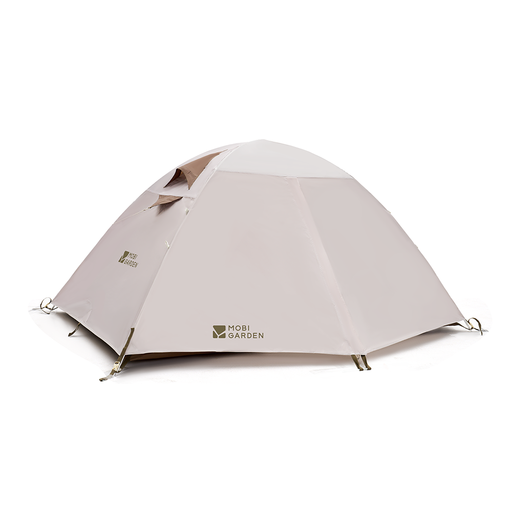
Why This Fits Their Persona: An excellent compromise of weight, pack size, and weather protection for initial trekking tours. At approx. 2.64 kg, this 2-person tent is light enough for a backpack without compromising on waterproofness. The aluminium poles provide the necessary stability.
It debunks the myth that a lightweight tent can't be waterproof. With a hydrostatic head of PU4000mm on the groundsheet, it offers better protection from ground moisture than many heavier models.
Compact pack size of 41 × 16 × 16 cm. The aluminium alloy poles are lighter and more durable than fibreglass alternatives in this price range.
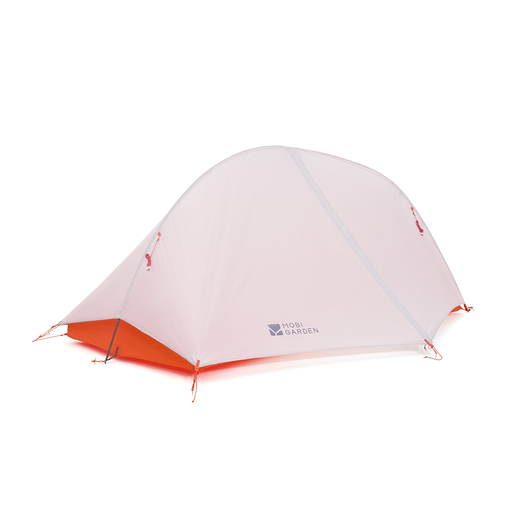
Why This Fits Their Persona: For long-distance hikers where every gram counts. With a net weight of only approx. 1.18 kg, this tent is a true lightweight. It is consistently designed for weight reduction without neglecting its fundamental function—protection from weather and insects.
This tent makes no compromises. It avoids the trap of trying to be a "jack-of-all-trades" and instead focuses on a single task: maximum performance at minimum weight for experienced users.
Extremely low weight (approx. 1.18 kg) and pack size (48 × 11 × 11 cm). The 20D ripstop nylon material with a silicone treatment offers a balanced ratio of weight to water repellency.
We have compiled a complete, up-to-date list of products that fully meet these strict selection criteria and applicable regulations.
Not necessarily. For most camping scenarios in Europe, a flysheet with a 2000 mm hydrostatic head is sufficient. A higher rating is more important for the tent's groundsheet (e.g., 3000 mm or more), as your body weight exerts pressure on the wet ground. Extremely high ratings are often only relevant in alpine or extreme weather conditions.
A pop-up tent (or instant tent) is designed for the fastest possible setup but often has a large pack size and lower wind stability. A trekking tent is optimised for hiking: it's often an ultralight tent with a small pack size and sturdy poles that can withstand stronger winds. The setup requires a bit more practice but offers greater reliability.
Always store your tent completely dry in a cool, dark place. Moisture can cause mildew and break down the waterproof coating. After each use, clean it only with water and a soft cloth. Fold it differently each time you store it to avoid material fatigue along the creases. Avoid long-term storage in its compressed stuff sack.