
Lieferung heute & morgen

Qualitätsgarantie

Willkommens-Angebote freischalten: KOSTENLOSE Lieferung | Bis zu 80 % RABATT | Kostenlose 30-Tage-JoyPlus-Testphase
App herunterladen
Choosing the right camping tent can be a challenge, given the vast array of models, materials, and features. Whether for a family holiday, a festival weekend, or a multi-day hike, the requirements for a tent are as individual as your adventure. This guide is designed to help you make an informed decision by objectively examining different tent types and their features, and by presenting a selection of models for various needs.
Before you decide on a model, it's helpful to understand a few basic criteria. These factors are crucial in determining the comfort and functionality of your tent.
A tent's specified person count (e.g., 4-person tent or 6-person tent) typically refers to the maximum number of sleeping spaces without any gear. For greater comfort and storage space for equipment, it is advisable to choose a tent designed for one more person than you actually need. A family tent should also have a separate living area or a vestibule to provide a sheltered space in bad weather. A tent with standing height significantly enhances comfort, especially during longer stays.
A waterproof tent is essential for camping in the UK and Central Europe. The waterproof rating of a tent fabric is indicated by the water column in millimetres (mm). This value describes the water pressure the material can withstand before moisture penetrates.
Also, pay attention to sealed or taped seams, as these are a common weak point for water ingress.
The shape of the tent affects its available space as well as its stability and setup time.
Here you will find a selection of tents that are well-suited for different uses due to their specific features.
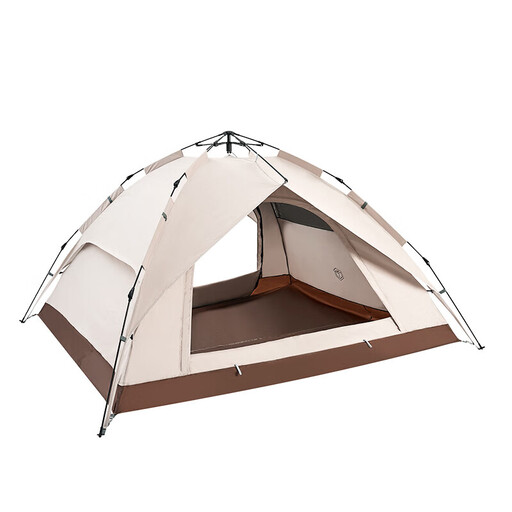
Why It Stands Out: This tent combines the convenience of a pop-up tent with the stability of a double-wall construction. The automatic pop-up mechanism allows for setup in moments, while the two layers provide better insulation and ventilation.
Benefits:
Who is it for? This pop-up tent is a great choice for couples or small families (up to 4 people) who value a quick and easy setup. It is suitable for weekend trips, festivals, or as a practical tent for beginners.

Why It Stands Out: With an impressive standing height of 3 metres and a generous floor plan, this tipi tent offers an exceptional sense of space. It transforms any campsite into a comfortable retreat, making it a great option for glamping.
Benefits:
Who is it for? This glamping tent is ideal for families and groups who don't want to sacrifice comfort and freedom of movement on their camping holiday. It is suitable for longer stays at the campsite and offers a stylish alternative to classic tent designs.
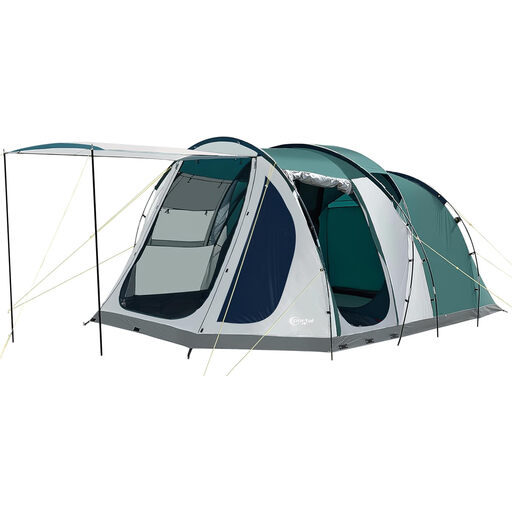
Why It Stands Out: This tunnel tent impresses with its well-designed layout, featuring a separate living and sleeping area. The stable tunnel construction and 2-metre standing height make it a functional and comfortable home away from home.
Benefits:
Who is it for? As a classic family tent, this model is the right choice for longer camping holidays by car. It offers the necessary space and comfort for up to 5 people and is designed for multi-season use.
Haven't found the right model for your specific needs yet? Whether you're looking for an ultralight tent for a solo tour or a different style of tent, there are many more options to explore.
Browse our entire selection of tents to find the right model for your next adventure.
Discover our entire selection of wall tents
1. What does the water column mean for a tent? The water column is a unit of measurement for the waterproofness of technical fabrics like tent flysheets. The value (e.g., 3,000 mm) indicates how high a column of water could stand on the fabric before water penetrates the material. A higher value means greater waterproofness. For camping in the UK, a rating of 3,000 mm or higher is a good, safe choice.
2. How many people can really fit in a 4-person tent? The manufacturer's specification refers to the number of standard sleeping mats (approx. 50-60 cm wide) that can fit side-by-side in the sleeping cabin. This does not account for luggage or the desire for more personal space. As a rule of thumb: for comfortable camping with gear, you should either halve the specified person count or choose a tent rated for 1-2 more people.