
Lieferung heute & morgen

Qualitätsgarantie

Willkommens-Angebote freischalten: KOSTENLOSE Lieferung | Bis zu 80 % RABATT | Kostenlose 30-Tage-JoyPlus-Testphase
App herunterladen
Buying a new camping tent sparks the excitement for outdoor adventures, whether it's a family holiday, a music festival, or a relaxing getaway in your own garden. But the selection is vast, and product descriptions are often filled with marketing jargon. It's easy to buy a tent that can't withstand the first downpour or is too cramped to move in. As your Joybuy Product Recommendation Officer, I'll help you identify the common pitfalls and make an informed decision.
The three most common mistakes when buying a tent are:
To avoid these problems, you should check three core parameters before buying. These objective criteria will help you distinguish quality from the hype.
A tent fabric's waterproofness is measured in millimetres of water column (mm), also known as the hydrostatic head. This value indicates how much water pressure the fabric can withstand before moisture penetrates.
Make sure that both the outer flysheet and the tent floor have a sufficiently high water column rating.
The setup mechanism and tent shape significantly determine comfort and intended use.
Manufacturer capacity ratings are often optimistic and refer only to the sleeping area without any luggage. As a rule of thumb: for comfortable camping, subtract one to two people from the stated capacity. A 4-person tent is therefore ideal for two to three people with their gear. For families, a dedicated family tent with separate sleeping cabins and a vestibule for luggage and for relaxing in during bad weather is the better choice. A tent with standing height (from approx. 1.80 m) significantly increases comfort, as you can move around upright inside.
Here are some recommendations tailored to different needs that meet the quality criteria mentioned above.
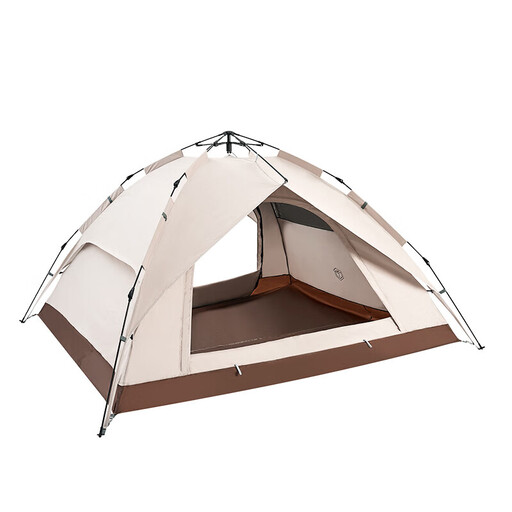
Why This Fits Their Persona: Ideal for users who value a lightning-fast setup. Perfect as a festival tent or for weekend trips where you don't want to waste time with complicated instructions.
The dual-layer design counteracts the build-up of condensation. The specified 3,000 mm water column rating provides reliable protection in the rain, rather than just being a vague promise.
Automatic pop-up tent mechanism for setup in seconds. Lightweight with a compact pack size.
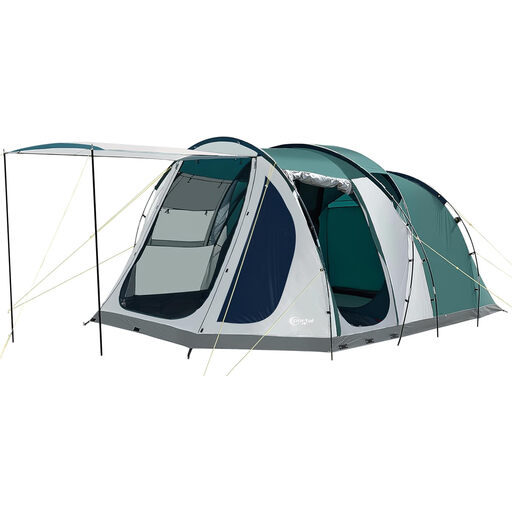
Why This Fits Their Persona: This family tent is designed for longer camping holidays where space and comfort are a priority. The separate living and sleeping areas provide privacy and storage space.
It solves the space issue by providing clear floor space measurements for the sleeping (7.05 m?) and living (5.8 m?) areas. The 200 cm standing height prevents the cramped feeling common in many dome tents.
Spacious, separate living and sleeping areas. Sewn-in groundsheet and 3,000 mm water column rating for weather protection.

Why This Fits Their Persona: For anyone who wants to combine camping with style and plenty of space. The Teepee tent is an eye-catcher and offers a luxurious, spacious feel that stands out from standard camping.
This tent offers not just style, but substance. With a 3,000 mm water column rating and sealed seams, it's more than just a fair-weather tent. The enormous 300 cm standing height solves any space problem.
Exceptional 3-metre standing height for a unique sense of space. Breathable inner tent with mosquito nets for comfort.
We've curated a complete, up-to-date list of products that fully meet these strict selection criteria and comply with European safety standards.
For typical European summer weather with occasional but also heavy rain showers, a 3,000 mm water column rating for the flysheet and groundsheet is a very reliable choice. This will keep you well-prepared for most camping situations. If you are planning trips in autumn or in alpine regions, a rating of 5,000 mm or higher may be advisable.
Condensation is caused by the breath of the people inside the tent and the temperature difference between the inside and outside. A tent with good ventilation is crucial. Look for vents that can remain open even when it's raining. Double-wall tents, where the inner tent does not touch the outer flysheet, are better at wicking away moisture. Never fully close the tent at night; instead, leave the vent zips slightly open.
The most important rule is to pack the tent away only when it is completely dry. Any remaining moisture will inevitably lead to mould and mildew, which damages the waterproof coating. After use, clean it only with a damp cloth and plain water; harsh detergents can attack the coating. Store the tent bag in a cool, dry place like a dry cellar or garage.