
Lieferung heute & morgen

Qualitätsgarantie

Willkommens-Angebote freischalten: KOSTENLOSE Lieferung | Bis zu 80 % RABATT | Kostenlose 30-Tage-JoyPlus-Testphase
App herunterladen
Candles create an unparalleled atmosphere, but the market can be overwhelming. From fast-burning tea lights to scented candles that don't deliver on their promise—bad purchases are frustrating and costly. This guide helps you recognise the crucial features and make an informed choice that suits your lifestyle, whether it's for cosy evenings, stylish candle decor, or as a safe light source in a household with children.
Before you make a purchase, it's helpful to know the typical problems that often only become apparent after lighting the candle.
The "Tunnelling Effect" – Wasted Wax: One of the most common annoyances is when a candle burns only down the middle, leaving a thick rim of wax. This not only drastically shortens the burn time but is also a sheer waste of material. The cause is often an unsuitable wick or a low-quality wax blend. Look for a wick whose thickness matches the candle's diameter, and on the first burn, let the candle burn long enough for the entire surface to become liquid.
Disappointing Scent Throw: Many scented candles smell intense in the store but release hardly any aroma at home. Or the opposite happens: an overpowering, artificial smell fills the room. The quality and concentration of the fragrance oils are decisive here. Products that specify the fragrance oil percentage (often between 6% and 10%) offer a better guide than vague marketing promises.
Safety Risks from Soot and Unstable Containers: A flame that produces a lot of soot is not only unsightly but can also discolour walls and ceilings. This indicates an unsuitable wick or impurities in the wax. For candles in glass, the heat resistance of the container is also a key factor to prevent the glass from cracking.
To avoid the problems mentioned above, you should check a few technical aspects before buying. These give you objective indicators of a candle's quality and suitability.
The type of wax has a direct impact on burn time and soot behaviour.
The wick is just as important. A HTP (High-Temperature Paper) wick or a pure cotton wick usually ensures a stable, low-soot flame.
For households with children, pets, or in environments where open flames are not permitted, flameless candles are an excellent solution. Modern LED candles often offer surprisingly realistic flickering effects. Important features here are:
Here are some recommendations tailored to different needs and use cases.
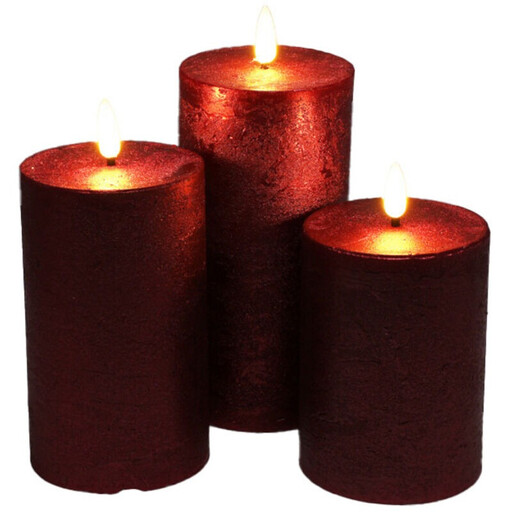
Why This Fits Their Persona: Ideal for households where safety is the top priority. This set creates a cosy atmosphere without the risks of an open flame, smoke, or hot wax—perfect for families with small children or curious pets.
Completely eliminates the risk of soot and fire. The timer function also prevents unnecessary battery drain if you forget to turn them off.
Includes a remote for convenient control. The automatic timer function (6 hours on / 18 hours off) ensures effortless, daily illumination.
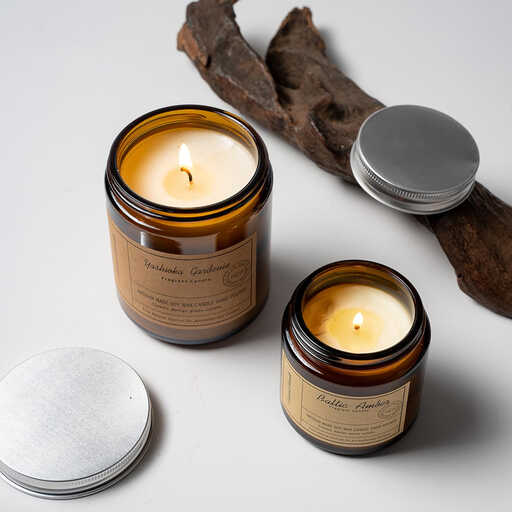
Why This Fits Their Persona: For users who value an authentic and intense fragrance experience. This candle is designed to create an upscale room ambiance where the scent plays a central role.
Addresses the problem of weak scents with a specified high concentration of 8% fragrance oils. The soy wax blend supports a clean and even scent release.
The soy-based wax blend ensures a clean burn. The stylish, reusable vessel offers additional decorative value after the candle is finished.
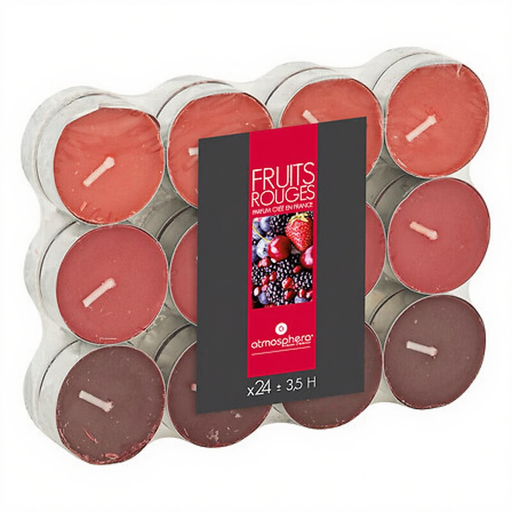
Why This Fits Their Persona: Perfect for anyone looking for a flexible and cost-effective solution for everyday candle decor. With 24 pieces per pack, you can create many small light accents throughout the house without breaking the budget.
Offers a large quantity of candles at a low price, avoiding the purchase of overpriced single candles for simple decorative purposes. The standard size fits most common tea light holders.
Bulk pack for versatile decorating options. The metal cup ensures a secure base and contains the liquid wax.
We have compiled a complete, up-to-date list of products that fully meet these strict selection criteria and safety standards.
1. How do I prevent the "tunnelling effect" in my candle? The key is the first burn. Let the candle burn long enough for the entire top layer of wax to melt to the edge. This can take 2 to 4 hours, depending on the candle's diameter. This creates a "wax memory" that promotes an even burn in future uses. Trim the wick to about 6 mm (1/4 inch) before each lighting to prevent an overly large flame and soot.
2. Are LED candles a good alternative to real candles? For many situations, yes. They offer absolute safety as there is no fire hazard, and they are clean as they produce neither soot nor wax drippings. Modern models imitate the flicker of a real flame very convincingly. They are ideal for hard-to-reach places, for use near textiles, or in households with children and pets. The only trade-off is the absence of the natural warmth and the subtle scent that even unscented wax candles emit.
3. What should I look for in scented candles if I'm sensitive to smells? If you are sensitive, you should avoid candles with synthetic fragrances. Look for products scented with natural essential oils. These are often perceived as more tolerable. Start with subtle, natural scents like lavender, sandalwood, or chamomile instead of very intense, fruity, or sweet notes. It is also advisable to burn the candle for only a short time at first to test the room's reaction and your personal tolerance.