
Lieferung heute & morgen

Qualitätsgarantie

Willkommens-Angebote freischalten: KOSTENLOSE Lieferung | Bis zu 80 % RABATT | Kostenlose 30-Tage-JoyPlus-Testphase
App herunterladen
Legumes are a valuable foundation for a balanced diet. They are rich in plant-based protein and fibre, and incredibly versatile. However, when buying convenience products like canned beans or canned peas, there are several pitfalls that can diminish their health benefits or compromise their flavour. This guide will help you make informed decisions and find products that truly meet your needs.
The selection on supermarket shelves is vast, but not every product delivers on its promise. Anyone looking to buy legumes should be aware of these three points to avoid disappointment.
To ensure you get high-quality legumes that are right for your needs, you should check three key aspects before buying.
A short, clear ingredient list is usually a good sign. Ideally, a product should consist of legumes, water, and salt. Additives like sugar, flavour enhancers, or thickeners are often unnecessary. If you're specifically looking for protein-rich foods, opt for the most natural version available to avoid compromising the nutritional value with unwanted calories.
The variety of legumes is enormous. Whether it's white beans for a classic stew, kidney beans for chili con carne, or broad beans (also known as fava beans) for Mediterranean and Middle Eastern dishes—choosing the right type is crucial for a recipe's success. Those looking to prepare authentic meals can often find products made with traditional recipes and offering an unadulterated taste from specialised retailers of Turkish foods online.
Always pay attention to the specified drained weight to evaluate the actual content. This figure indicates how many grams of the product remain after pouring off the liquid. Packaging also plays a role: while cans are practical and opaque, glass jars allow for a visual inspection of the contents. Both types of packaging reliably preserve nutrients.
Different products suit different lifestyles and cooking habits. Here are some recommendations tailored to specific user profiles.
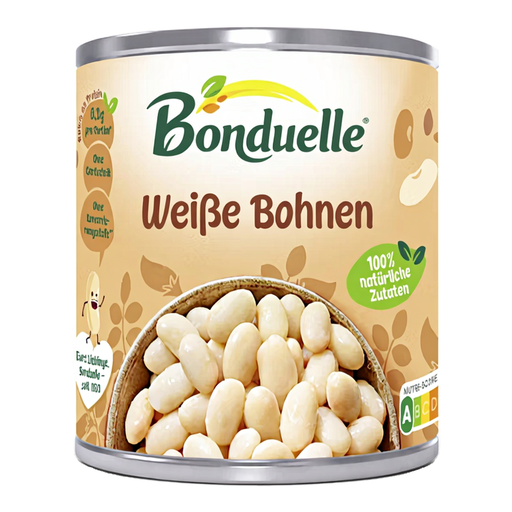
Why it's a great fit: Ideal for quick and easy meals. The beans are already cooked and just need to be drained. They serve as a protein-rich base for salads, soups, or side dishes.
This product avoids the pitfall of limited versatility. Since the beans are simply preserved in brine, they can be seasoned to your liking and used in a wide variety of recipes.
High protein content (6.6 g per 100 g) and a simple ingredient list with no preservatives. Rated Nutri-Score A according to the manufacturer.
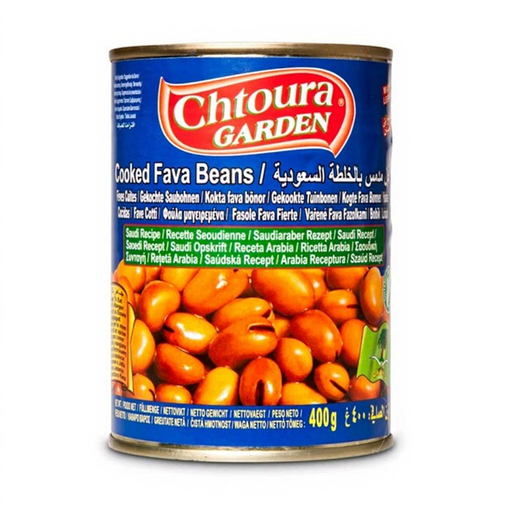
Why it's a great fit: For anyone seeking the authentic taste of Middle Eastern cuisine. This ready-made dish of fava beans is prepared according to a Saudi recipe and is ready to serve immediately—perfect for a quick meze or a traditional breakfast.
This product solves the problem of unclear origin and processing. It offers a specific, traditional preparation that is difficult to replicate at home, delivering a reliable flavour experience.
Ready-to-use and authentically seasoned. It allows for the quick preparation of a traditional dish without complex prep work.
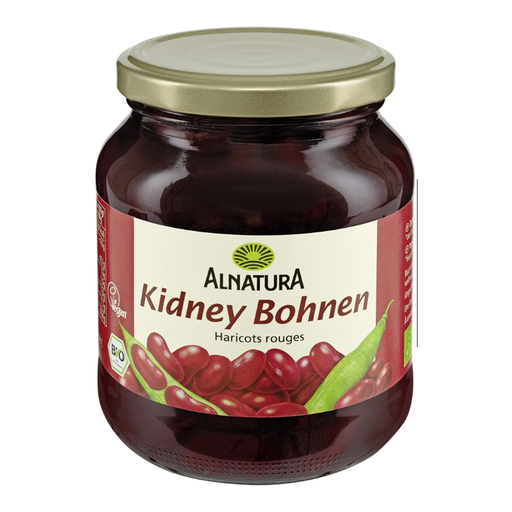
Why it's a great fit: For consumers who value organic farming and transparent sourcing. These kidney beans are pre-cooked and preserved with only water and sea salt. The glass jar packaging allows for a direct view of the product.
This product counteracts the problem of hidden additives. The ingredient list is minimal, and according to the manufacturer, the beans come from organic farming (NL-BIO-01 certified).
Organic quality and a very high nutrient density, with 8.2 g of protein and 8.5 g of fibre per 100 g. GMO-free and suitable for a vegan diet.
We have compiled a comprehensive, up-to-date list of products that meet these selection criteria.
It is generally recommended to rinse canned legumes in a sieve under running water before use. This removes excess salt and gets rid of the slightly viscous texture of the brine. However, for ready-made dishes like seasoned Ful Medames, this is not necessary as the liquid is part of the sauce.
The canning process is very gentle. Essential nutrients like protein and fibre are largely preserved. The content of water-soluble vitamins may be slightly reduced compared to freshly cooked dried beans. However, you skip the long soaking and cooking time, making canned beans a convenient and nutritious alternative.
Unopened cans can often last for several years when stored in a cool, dry place. The exact best-before date is printed on the packaging. Once opened, the contents should be transferred to a non-metallic container, stored in the refrigerator, and consumed within two to three days.