Cooking bean stew for guests
If you’re cooking beans, vegetables and sauce for several people, the whole recipe needs to fit in the cooking pot. Tristar’s specifications for the VS-3915 and VS-3920 give different serving sizes as a guide.


You don’t need a slow cooker just for canned beans: pulses from a tin are already cooked and can be eaten straight away, as the German Federal Centre for Nutrition explains. A slow cooker is more useful when you want to simmer other ingredients slowly. Choose the capacity to suit the full recipe, and don’t rely on a keep-warm button alone. The German Federal Institute for Risk Assessment recommends keeping heated food at a minimum of 60 °C throughout until it is eaten.
If you’re cooking beans, vegetables and sauce for several people, the whole recipe needs to fit in the cooking pot. Tristar’s specifications for the VS-3915 and VS-3920 give different serving sizes as a guide.
According to the German Federal Centre for Nutrition, canned beans are already cooked. So if you only want to heat them for dinner, consider whether the other ingredients really need a long cooking time.
If everyone won’t be eating at the same time, what matters is the temperature throughout the dish, not just a keep-warm button. The German Federal Institute for Risk Assessment recommends keeping food at a minimum of 60 °C throughout while it is being kept hot.
A good choice if: you only want to heat pre-cooked canned beans and a simple sauce.
Trade-off: You won’t get slow, timed cooking for other ingredients.
A good choice if: you want to cook vegetables, sauce and other ingredients slowly as part of a larger dish.
Trade-off: Capacity, a timer and a keep-warm function can make planning easier, but they don’t prove that the whole dish is at a particular temperature.
A good choice if: you regularly want to use other cooking methods as well as slow cooking.
Trade-off: Check the instructions for the specific appliance and programme you want to use; features and operating instructions vary.
For a shared meal, the full recipe quantity, the time it really takes and your serving arrangements are what matter. The following pointers can help you choose an appliance to suit your main priority.
| Priority | What to look for when buying | Who will find this most important? |
|---|---|---|
| Recipe quantity and pot size | Check the total quantity of beans, other ingredients and liquid against the pot capacity and the filling instructions in the manual. | When I’m cooking for several people, I want the whole recipe to fit in the pot. For around 31% of consumers, getting the right pot size is the top priority. |
| Cooking time for canned beans | Check whether the other ingredients really need to cook slowly and whether you can set the cooking time on the appliance. | If I only want to heat pre-cooked beans, I don’t want to wait unnecessarily for a long cooking cycle. Around 31% of consumers prioritise a quick way to prepare food. |
| Keeping food hot safely | Check the temperature throughout the finished dish. The German Federal Institute for Risk Assessment recommends a minimum of 60 °C throughout the food. | If guests are eating at different times, I want to keep the dish hot enough until serving and not rely on a button alone. Around 23% of consumers put safe hot holding first. |
| Extra functions and cleaning | Check which cooking programmes you want and whether the specific pot is suitable for use on the hob or in the dishwasher. | If I regularly cook dishes other than stews, I only want to choose functions I’ll actually use. Around 15% of consumers prioritise versatility and a pot that works for their needs. |
Canned beans are already cooked. So for a stew, the cooking time depends on the other ingredients, not the beans alone.
Plan your recipe and timings first. If you only want to heat the beans and a simple sauce, a saucepan will do.
For this purpose, an extra appliance and a long cooking cycle mean extra effort without a corresponding need.
A keep-warm function doesn’t prove that the whole dish has reached the recommended temperature. The German Federal Institute for Risk Assessment advises keeping heated food at a minimum of 60 °C throughout until it is eaten.
If you’re serving at different times, check the temperature in several places. Cool any leftovers promptly afterwards.
Specifications from a UK or English-language manufacturer’s page don’t automatically confirm the details of a particular German listing.
Before buying, compare the full model number, electrical specifications, what’s included and the information in the specific listing.
The standalone VS-3915 and VS-3920 slow cookers come in different sizes for making stews.
According to the manufacturer, the MaxiCook 22750-56 is designed for larger quantities and lets you brown food in its removable pot.
The CSC063 is a large digital slow cooker, which the manufacturer describes as suitable for longer cooking times.
A multi-cooker is worth considering if you regularly use other cooking methods as well as slow cooking.
According to the manufacturer, the 2904/03 combines rice cooking and slow cooking with other cooking modes.
This selection includes slow cookers and multi-cookers for slow cooking, as well as compact cooking pots for simply heating smaller quantities.
 No image available
An option for smaller shared meals when you want to cook other ingredients slowly.
2.6 l; two manual heat settings; non-stick coating.
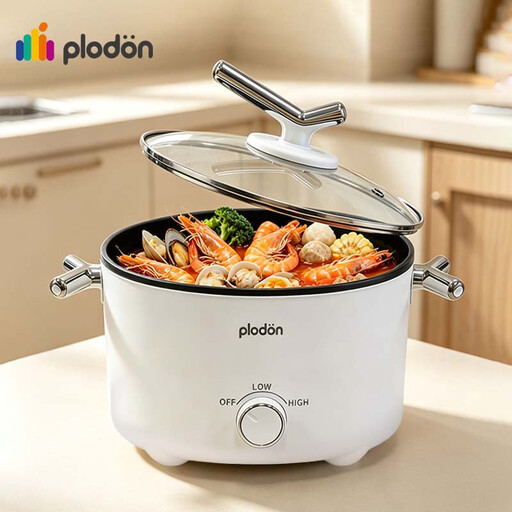 No image available
For smaller batches when you want to cook other ingredients slowly alongside the canned beans.
2.0 l; 1000 W; two power settings. The stated maximum fill level is 2/3 of the pot’s capacity.
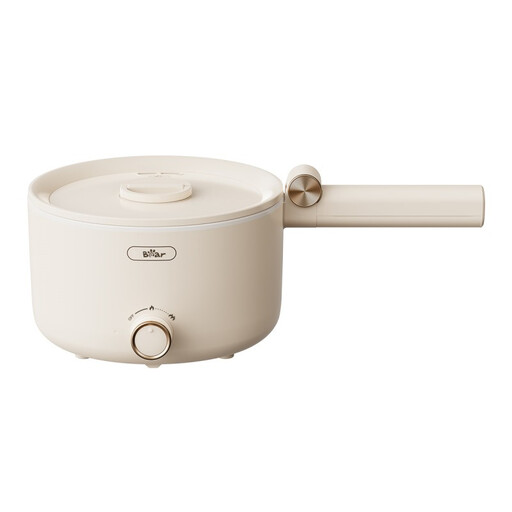 No image available
A compact option if you only want to heat canned beans or soup.
1.6 l.
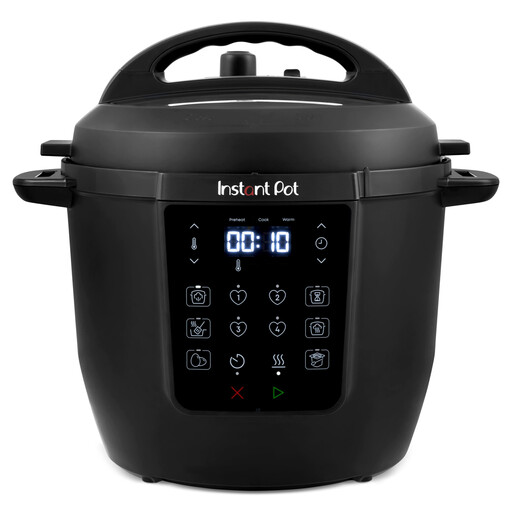 No image available
For a shared meal if you’re considering a multi-cooker rather than a dedicated slow cooker.
5.7 l. Check the manual to see which programme cooks without pressure.
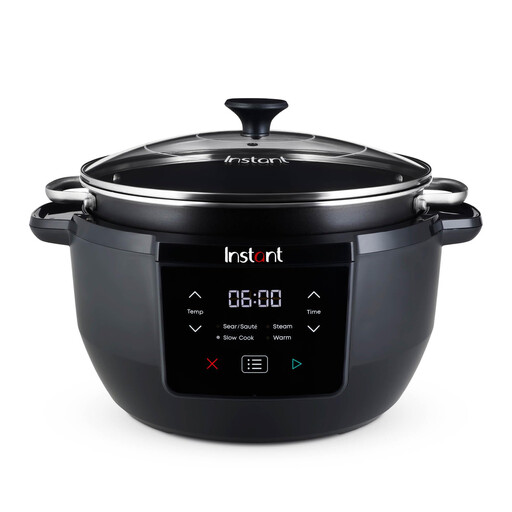 No image available
For larger slow-cooked dishes. Check the available programmes if you also want to brown or steam food.
7 l. According to the product information, the inner pot is not suitable for use on a hob, induction hob or in an oven.
No. The German Federal Centre for Nutrition explains that pulses from a tin or jar are pre-cooked and can be eaten straight away. For a hot dish, you still need to cook the other ingredients appropriately.
Not as a substitute for cooking them properly. The German Federal Institute for Risk Assessment warns that gentle cooking methods are unsuitable for most raw pulses. Cook dried beans fully according to the appropriate cooking instructions; this advice about canned beans doesn’t apply to dried beans.
It doesn’t prove that the whole dish is at the right temperature. The German Federal Institute for Risk Assessment recommends keeping heated food at a minimum of 60 °C throughout until it is eaten. If you’re serving at different times, check the temperature in several places.
Use the contents of an opened tin straight away, or transfer them to a suitable, sealed food container. Don’t leave cooked leftovers lukewarm for a long time. Cool them promptly and store them in the fridge.
Follow the instructions for your specific appliance. An Instant Pot manual for a 5.7 l multi-cooker specifies a stable, level surface and points out that the inner pot can be hot and heavy when full. These instructions don’t automatically apply to other models.