
Lieferung heute & morgen

Qualitätsgarantie

Willkommens-Angebote freischalten: KOSTENLOSE Lieferung | Bis zu 80 % RABATT | Kostenlose 30-Tage-JoyPlus-Testphase
App herunterladen
Canned fruits are a staple in many pantries. They offer a long shelf life and allow you to enjoy fruit regardless of the season. However, the buying process has its pitfalls, from misleading labels to disappointing fruit quality. Anyone looking to specifically buy preserved fruit should consider more than just the price. This guide will show you what matters to avoid buyer's remorse and find the perfect canned fruit for your needs, whether as a quick snack, for a cake, or as an ingredient in exotic desserts.
Not every can delivers on its promise. Before you make your choice, you should be aware of these three common problems:
To ensure you get a quality product that meets your needs, you should check three essential criteria.
The liquid in which the fruit is preserved significantly influences the taste and sugar content.
The quality of canned fruits depends directly on how the fruit is processed. Pay attention to the information on the label:
While many standard fruit varieties like peaches or pears are grown globally, specialised brands often offer fruits from specific regions known for their unique flavour. Asian canned fruits like jackfruit, young coconut meat, or rambutan open up new culinary possibilities and bring authentic flavours to your home kitchen. Here, it's worth looking for brands that are known as quality providers in their countries of origin.
Here are some recommendations tailored to different needs and user profiles.
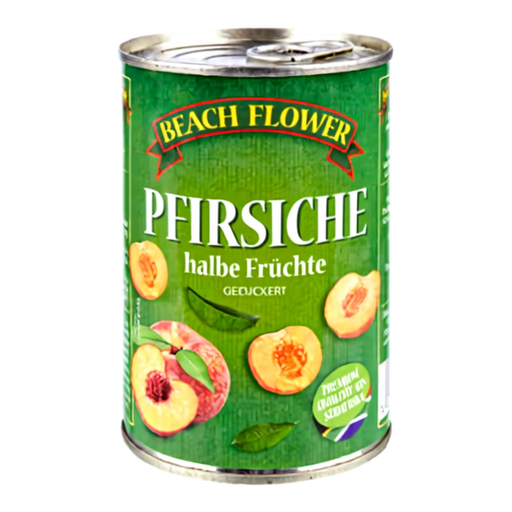
Why This Fits Their Persona: Ideal for anyone looking for a reliable ingredient for cakes, tarts, and desserts. The pre-sliced peaches are ready to use, saving preparation time. Their firm consistency ensures they hold their shape even after baking.
The product description emphasizes that the peaches are "carefully selected and sliced at their peak freshness." This counteracts the pitfall of mushy fruit. The light syrup does not overpower the fruit's flavour.
Uniform slices for an appealing presentation; versatile for both sweet and savoury dishes.
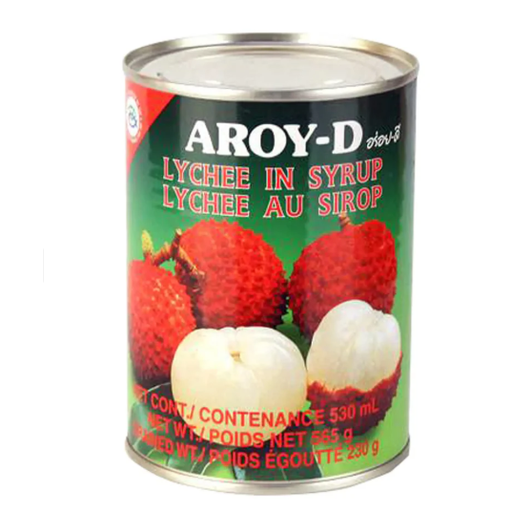
Why This Fits Their Persona: Perfect for those seeking authentic Asian canned fruits to enhance cocktails, ice cream, or Asian desserts. Aroy-D is an established brand for Thai food products, known for its quality.
The description highlights the "firm yet juicy" texture and "exotic floral profile." This directly addresses the concern of bland or mushy fruit, which can be an issue with less common exotic fruits.
Authentic, tropical flavour; already peeled and pitted for maximum convenience.
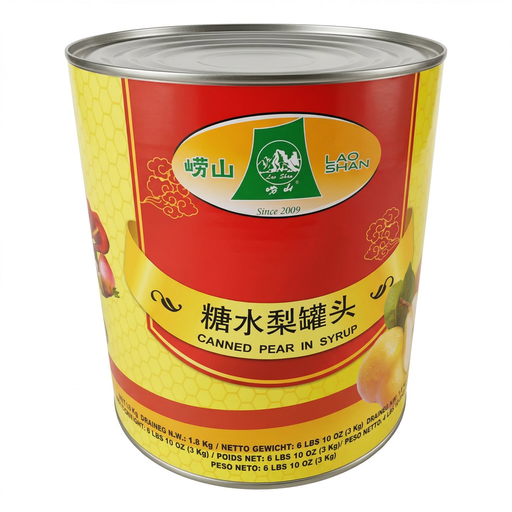
Why This Fits Their Persona: The 3kg bulk pack is an economical solution for families, cafeterias, or anyone looking to stock up. Pears are a versatile classic that all family members enjoy.
With bulk packs, there is often a concern about inferior quality. The description refers to "selected pears" to preserve natural flavour and nutrients. The simple ingredient list (pears, water, sugar, citric acid) avoids the trap of hidden additives.
Excellent price-to-quantity ratio; ideal for stocking up and for bulk consumers.
We have compiled a complete, up-to-date list of products that fully meet these strict selection criteria.
1. How long do canned fruits last after opening? After opening, the contents of the can should be transferred to a non-metallic container (e.g., glass or plastic). Stored in the refrigerator, the fruit will typically last for 2 to 4 days. Always follow the specific instructions on the packaging.
2. Is canned fruit as nutritious as fresh fruit? Fresh fruit generally has the highest nutritional value. The canning process, especially heating, can reduce heat-sensitive vitamins like Vitamin C. However, minerals and dietary fibre are largely preserved. Canned fruit is therefore a practical alternative when fresh fruit is not available.
3. How can I identify the sugar content in canned fruit? The sugar content is listed in the nutrition facts table under "Carbohydrates, of which sugars" per 100g. Comparing different products is the most objective method here. The name of the packing liquid gives a first clue: "In its own juice" usually has the lowest sugar content, while "in heavy syrup" has the highest.