
Lieferung heute & morgen

Qualitätsgarantie

Willkommens-Angebote freischalten: KOSTENLOSE Lieferung | Bis zu 80 % RABATT | Kostenlose 30-Tage-JoyPlus-Testphase
App herunterladen
As a Joybuy Product Recommendation Officer, I see it as my duty to provide you with clear, practical guidance through the jungle of available options. Canned meat is a convenient solution for quick meals and an essential component of a well-planned emergency supply. However, not every tinned meat lives up to its promise. Before you stock up, you should be aware of the common pitfalls that can lead to disappointment and unnecessary expense.
The most common problems when buying canned meat are:
To ensure you get a product that meets your standards for taste, nutritional value, and shelf life, you should check three core aspects.
The most important information on the can is the ingredients list. Pay attention not only to the percentage of meat content but also to the precise description of the meat source.
A short list of ingredients is often an indicator of a less processed product. Pay attention to the following points:
For use as an emergency food supply, longevity is key.
Here are some recommendations tailored to different needs and use cases.
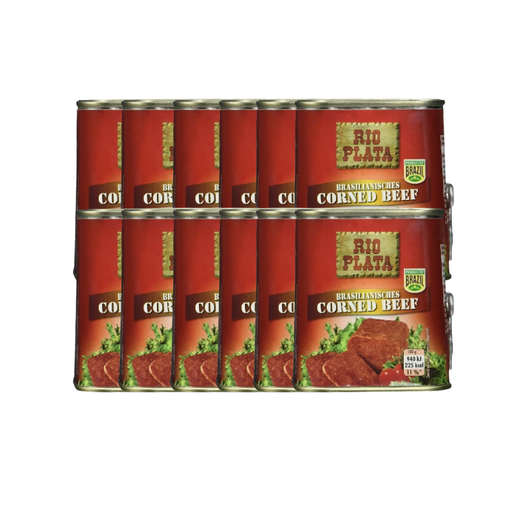
Why This Fits Their Persona: Ideal for anyone looking to build a solid food supply. Buying in a value pack is cost-effective and ensures a reliable protein source is available for an extended period.
This product avoids the trap of vague descriptions. It is clearly defined corned beef with a high beef content (cooked beef 90.5%) and a very short ingredients list without unnecessary fillers.
High protein content (24.3 g per 100 g) and a long shelf life make it a reliable foundation for an emergency pantry. The 12-pack offers excellent value for money.
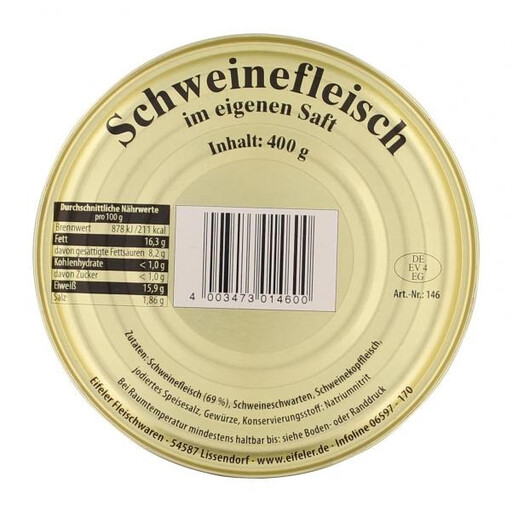
Why This Fits Their Persona: For consumers who value authentic flavour and clear, traceable origins. This product focuses on the essentials: high-quality meat.
It avoids the hidden filler trap. The description "in its own juice" and the ingredients list (69% pork, rind, head meat) show that the flavour comes from the meat itself, not from artificial flavourings.
Traditional German production and a recipe that is reduced to the essentials. The high meat content ensures an authentic taste and a good nutritional profile.
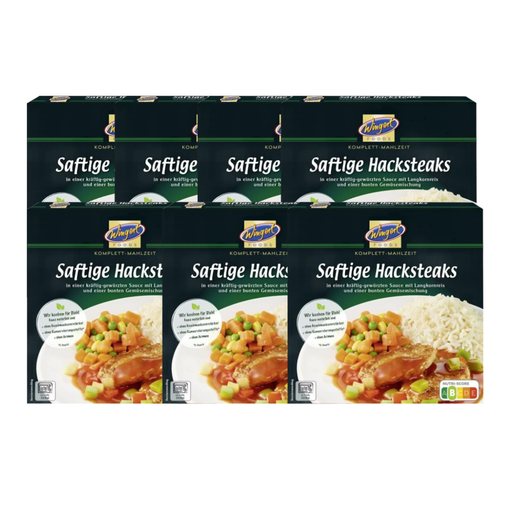
Why This Fits Their Persona: Perfect for anyone who needs a quick but complete meal with no cooking required. Ideal for a lunch break at the office or an uncomplicated dinner after a long day at work.
This product is more than just canned meat—it's a complete ready-to-eat meal. It bypasses the trap of pure meat cans that require further preparation. Everything is included here: meat, sauce, rice, and vegetables.
Maximum convenience. The meal can be heated in the microwave or a water bath in just a few minutes. According to the manufacturer, it is made without added flavour enhancers or preservatives.
We have compiled a complete, real-time list of products that fully satisfy these strict selection criteria and UK safety regulations.
1. How long is canned meat really shelf-stable? The printed best-before date (BBD) is a manufacturer's guarantee of optimal quality. When stored correctly—cool, dry, and dark—canned meat is often still edible for years beyond the BBD. For an emergency supply, it is still advisable to rotate your stock regularly and use products with an approaching BBD first.
2. Should you transfer the contents of canned meat after opening? Yes, this is strongly recommended. After opening the can, tin from the can wall can leach into the food, especially with acidic contents. Therefore, always transfer leftovers into a sealable glass or plastic container, store it in the refrigerator, and consume the contents within two to three days.
3. What does "in its own juice" mean for canned meat? The term "in its own juice" means that the meat releases its own juices during the cooking process inside the can, which then serves as the liquid along with the meat. Usually, no or very little additional liquid, such as water or broth, is added. This results in an intense, natural meat flavour and is considered a mark of quality, as it indicates minimal processing without many additives.