
Lieferung heute & morgen

Qualitätsgarantie

Willkommens-Angebote freischalten: KOSTENLOSE Lieferung | Bis zu 80 % RABATT | Kostenlose 30-Tage-JoyPlus-Testphase
App herunterladen
Canned tuna is a pantry staple in many households. It's shelf-stable, high in protein, and incredibly versatile. However, the selection on the shelf can be overwhelming and lead to buyer's remorse. Not every can delivers on its promise. This guide will help you understand the differences and find the right product for your needs, without falling for marketing hype.
Before you buy, you should know the typical traps that often lead to disappointment.
To find the right tuna for your kitchen, you should check three fundamental criteria.
The liquid in which the tuna is packed significantly determines its flavour, nutritional value, and use cases.
The label provides insight into the texture and quality of the contents.
For many consumers, the origin of the fish plays an important role. The MSC seal is an internationally recognized certificate for sustainable fishing. MSC tuna comes from fisheries that are proven to manage fish stocks and the marine ecosystem responsibly. Look for the blue logo on the packaging to make a conscious purchasing decision.
Here are some recommendations tailored to different needs and use cases.
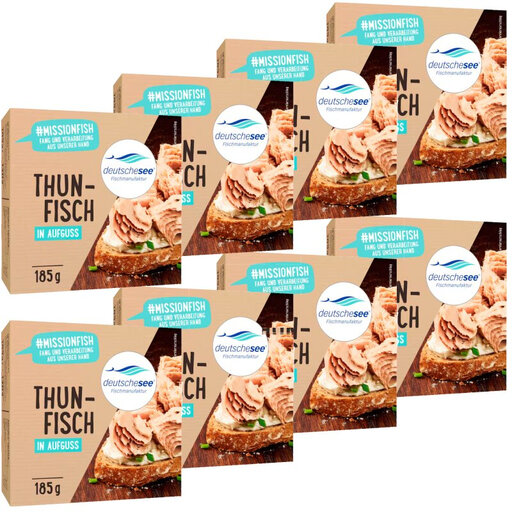
Why This Fits Their Persona: Ideal for a high-protein diet. The fish is packed only in water and salt, which preserves its pure flavour and makes it a lean protein source. The tuna bulk pack is perfect for weekly meal prep.
Avoids the hidden calorie trap. With only about 0.8g of fat and 26g of protein per 100g (drained weight), it's a clean, nutrient-dense choice without unnecessary additives.
High protein content, very low in fat. MSC-certified for sustainable fishing. Convenient bulk pack.
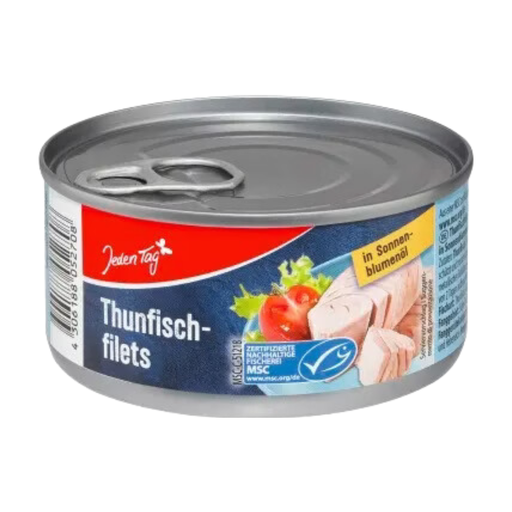
Why This Fits Their Persona: Offers solid value for money for everyday use. The fillets in sunflower oil are versatile for hot and cold dishes, and the MSC certification provides peace of mind without a premium price tag.
Evades the trap of vague sustainability claims with its clear MSC seal. You get a certified product at a budget-friendly price.
Excellent value for money. MSC-certified. Versatile due to being packed in sunflower oil.
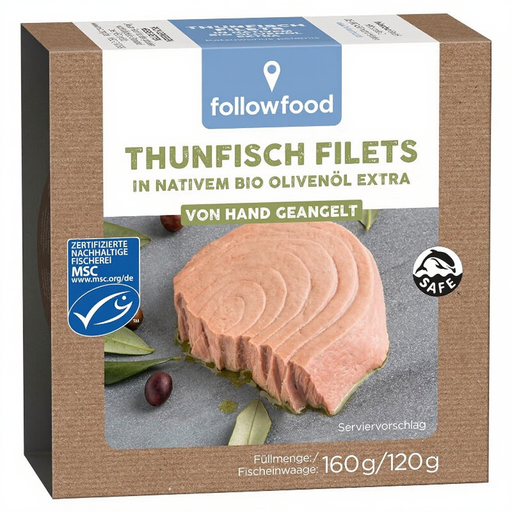
Why This Fits Their Persona: For those who value premium quality and flavour. According to the manufacturer, the fillets are pole-and-line caught and packed in high-quality organic olive oil. The result is an exceptionally tender and flavourful product.
Sidesteps the "fillet" fallacy. Here, you are guaranteed large, firm tuna fillets whose texture holds up even in a sophisticated salad. The sustainable fishing method is also clearly declared.
Uses organic extra virgin olive oil. Sustainable "pole and line" fishing method. Firm, high-quality fillet pieces.
We have compiled a complete, up-to-date list of products that fully meet these strict selection criteria and local regulations.
1. What is the difference between tuna in oil and tuna in brine? Tuna in brine (natural) is lower in fat and calories and has a pure fish flavour. It is ideal for a health-conscious diet. Tuna in oil is juicier and more flavourful because the oil binds aromas, but it has a higher calorie content. The choice depends on the intended use and personal dietary goals.
2. What does MSC-certified tuna mean? The MSC (Marine Stewardship Council) seal identifies fish products from sustainable fisheries. A fishery must meet strict criteria concerning the health of fish stocks, the impact on the ecosystem, and the management of the fishery. Buying MSC tuna supports the protection of our oceans.
3. How can I recognize the quality of canned tuna before buying? Pay attention to the declaration: tuna fillets generally promise larger, firmer pieces than tuna chunks. A look at the ingredients list reveals unwanted additives like sugar or flavour enhancers. Certifications like the MSC seal are also an indicator of a responsibly produced item.