
Lieferung heute & morgen

Qualitätsgarantie

Willkommens-Angebote freischalten: KOSTENLOSE Lieferung | Bis zu 80 % RABATT | Kostenlose 30-Tage-JoyPlus-Testphase
App herunterladen
Canned tuna is a staple in many kitchen pantries across the country. It's convenient, has a long shelf life, and is a versatile ingredient for quick meals—from salads and pasta to sandwiches. However, navigating the options on supermarket shelves or online can be overwhelming. Fillets or chunks? In oil or in brine? And what do the various seals on the packaging actually mean?
This guide is here to help. We'll introduce objective criteria to help you find the right canned tuna for your needs and present a selection of products for various applications.
Three main characteristics will help you make your decision: the packing liquid, the cut of the fish, and the sustainability of the fishing method.
The liquid in which the tuna is packed significantly affects its taste, texture, and nutritional profile.
How the tuna is processed determines its best use in the kitchen.
For many consumers, the origin of the fish plays a crucial role. A sustainable tuna helps protect marine ecosystems.
Based on the criteria above, we have compiled a selection of products that meet different requirements.
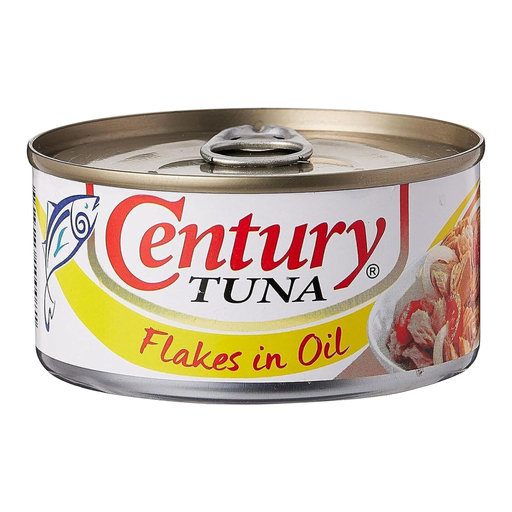
What Makes It Stand Out This tuna comes in flakes packed in soybean oil. The ingredients list includes soy protein concentrate and whey powder in addition to tuna, giving it a specific texture and a unique flavour profile.
Advantages
Who Is It For? For consumers looking for a straightforward and budget-friendly ingredient for mixed dishes like pasta sauces, casseroles, or sandwich fillings, where the tuna doesn't need to be the centrepiece as a whole fillet.

What Makes It Stand Out These are whole tuna fillets of the Skipjack variety, packed in olive oil. According to the manufacturer, the fish is wild-caught in the Western Pacific (FAO 71) using purse seine nets.
Advantages
Who Is It For? For connoisseurs who value firm fillet pieces and the classic taste of tuna in high-quality olive oil. Ideal for dishes where the fish is the visual and flavourful star.
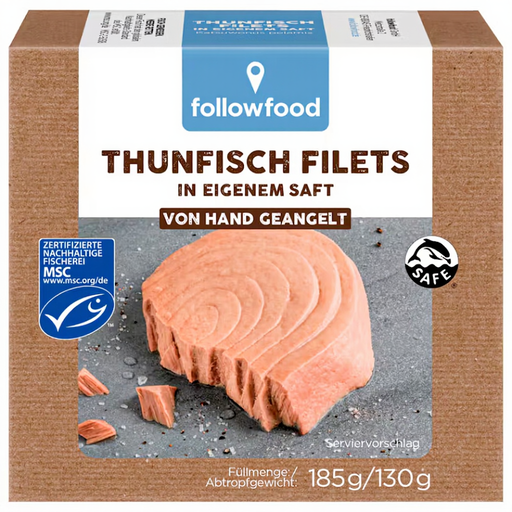
What Makes It Stand Out This product has a clear focus on sustainability and natural ingredients. The Skipjack tuna fillets are MSC-certified and fished using the pole & line method. The fish is preserved in its own juice without added oil and is designed as a "no-drain" product, meaning very little liquid needs to be drained.
Advantages
Who Is It For? For health- and eco-conscious consumers, as well as athletes, who are looking for a pure, low-fat, and high-protein tuna. Its sustainable origin and easy handling make it a first-class choice for conscious enjoyment.
The world of canned tuna is diverse. If you're looking for a different type of tuna, a specific pack size, or an alternative packing liquid, you're sure to find it in our comprehensive selection.
? Discover our entire range of canned tuna here
Canned tuna is a good source of high-quality protein and omega-3 fatty acids. Its health profile depends on the preparation. Tuna in its own juice is generally lower in fat and calories than tuna in oil. Also, pay attention to the salt content, which can vary between products.
For salads where you want the fish to be visible and whole, tuna fillets are ideal. They offer a firm texture and an appealing look. If the tuna is being mixed into the other ingredients, tuna chunks also work well. The choice between oil and brine is a matter of personal taste and desired calorie count.
After opening, any unused contents should be transferred from the metal can to a sealable, non-metallic container (e.g., glass or plastic). Stored in the refrigerator, it should generally be consumed within one to two days, according to manufacturer recommendations.