
Lieferung heute & morgen

Qualitätsgarantie

Willkommens-Angebote freischalten: KOSTENLOSE Lieferung | Bis zu 80 % RABATT | Kostenlose 30-Tage-JoyPlus-Testphase
App herunterladen
Canned tuna is a versatile pantry staple for a quick, protein-packed meal. But the selection on the shelf can be overwhelming: Should you choose tuna in water or tuna in olive oil? Are tuna fillets a better choice than chunks? And what do labels like MSC really mean?
As your Joybuy Product Recommendation Officer, I'm here to help you understand the differences. This guide offers clear direction so you can find the perfect tuna for your dietary goals and recipes.
Three key features determine the flavour, nutritional value, and use of canned tuna. Your personal preference will decide which combination is right for you.
The liquid the tuna is packed in has a major impact on its calorie count and flavour.
How the fish is processed affects its texture and mouthfeel.
For many consumers, eco-friendly fishing methods play an important role.
Based on these criteria, we've curated a selection of different tuna products that cater to various needs.
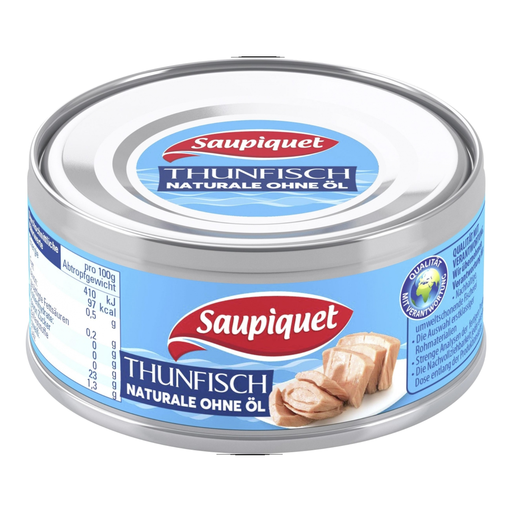
Why It Stands Out: This product focuses on the essentials: tender tuna chunks in water with a pinch of salt. It's a straightforward and versatile base for a healthy diet.
Benefits:
Who It's For: Anyone looking for a low-fat, high-protein ingredient. Perfect for light salads, sandwiches, or a post-workout meal.
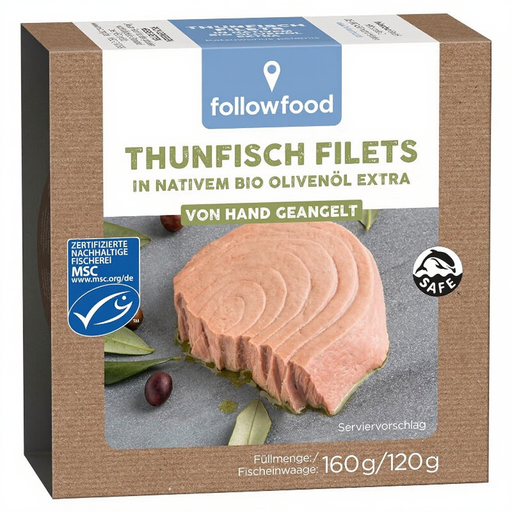
Why It Stands Out: This product combines quality with responsibility. Pole-and-line caught tuna fillets meet high-quality organic olive oil, and the entire product is MSC-certified. Traceability back to the fishing area builds extra trust.
Benefits:
Who It's For: Quality- and eco-conscious connoisseurs who value sourcing and flavour. Ideal as a high-quality ingredient for a tuna salad or sophisticated pasta dishes.
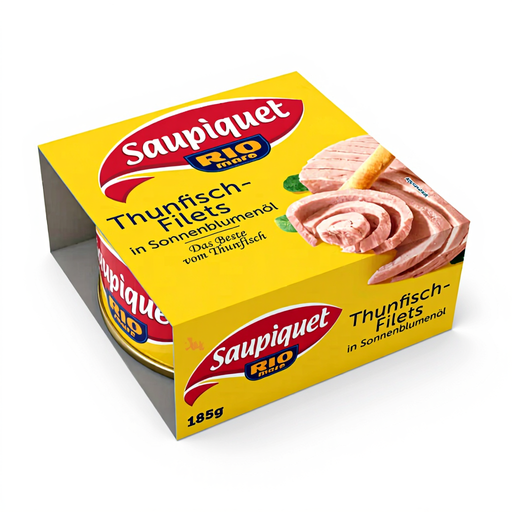
Why It Stands Out: The focus here is on succulence and texture. The whole tuna fillets are packed in sunflower oil, which makes them exceptionally tender and subtly enhances their natural flavour.
Benefits:
Who It's For: For lovers of succulent tuna with a rich texture. An excellent choice for dishes where the tuna is not just an ingredient, but the star of the show.
Tuna in oil offers exceptional succulence and a rich flavour that enhances many dishes. If you'd like to discover more products with high-quality oils, you can find a wider selection in our category.
Discover Our Entire Range of Tuna in Oil Here
"Tuna in its own juices" means the fish is cooked in the natural juices released during the cooking process, often with only salt added. For "tuna in water" (or "in brine"), water and salt are added after cooking. Both varieties are low in fat and calories, though their flavours may differ slightly.
It depends on your preference. Tuna in water provides a light base, allowing you to add your own dressing without overpowering the flavour. On the other hand, tuna fillets in olive oil can be added to the salad directly with their oil, creating a richer, Mediterranean note. Firm tuna fillets hold their shape better in a salad than tuna chunks.
The blue Marine Stewardship Council (MSC) seal identifies fish and seafood from sustainable fisheries. An MSC tuna product comes from a fishery that has been certified for not overfishing well-managed stocks and for minimising its impact on the marine ecosystem. It is a reliable indicator for responsible purchasing.