
Lieferung heute & morgen

Qualitätsgarantie

Willkommens-Angebote freischalten: KOSTENLOSE Lieferung | Bis zu 80 % RABATT | Kostenlose 30-Tage-JoyPlus-Testphase
App herunterladen
Canned tuna remains one of the most reliable and nutrient-dense lean protein staples in any kitchen. Whether you are prepping post-workout meals, assembling a fresh lunchtime salad or stocking your pantry with long-life ingredients, selecting the right tin requires looking beyond the front label. The choice of canning medium, the actual yield of fish per tin and the sourcing standards all fundamentally shape your everyday meals.
Balancing nutritional goals against culinary enjoyment often comes down to understanding how canning mediums affect macronutrients. While tuna packed in its own juices maximises lean protein content with minimal fat, fish steeped in quality vegetable oils offers richer texture and natural moistness. Taking a systematic approach to net drained weight and sustainability certifications ensures you get dependable quality and value every time you open a tin.
Many shoppers calculate their meal portions based on the total tin weight printed prominently on the lid. However, the liquid medium often accounts for up to thirty percent of that overall figure. Calculating your protein intake from gross weight leads to underestimating your portion needs. Always check the drained net weight on the nutrition panel to assess the true protein yield and cost per gram of fish.
Assuming all canned tuna delivers the same lean macronutrient profile is a frequent mistake. Tuna packed in sunflower or olive oil absorbs a measurable portion of that oil, significantly raising overall calories and fat content even after thorough draining. If maximum protein density per calorie is your priority, tuna in its own juice is the practical choice, whereas oil-packed fish suits recipes where richness and dressing flavour are desired.
Unregulated tuna harvesting frequently relies on destructive netting methods that lead to high rates of bycatch and marine habitat disruption. Buying non-certified tins without verifying catch information often supports depleted fish stocks. Looking for established independent marks like the Marine Stewardship Council blue fish label confirms that the tuna comes from a certified sustainable wild fishery with traceable origins.
The liquid surrounding the fish defines both the shelf life moisture and the final macronutrient density of each portion.
Evaluating the solid fish content per container ensures accurate meal planning and avoids paying premium prices for canning water.
The species of tuna and its geographic catch method directly impact both meat texture and environmental sustainability.
These selected products offer dependable protein profiles, clear sourcing standards and practical portion sizes to suit diverse household needs.
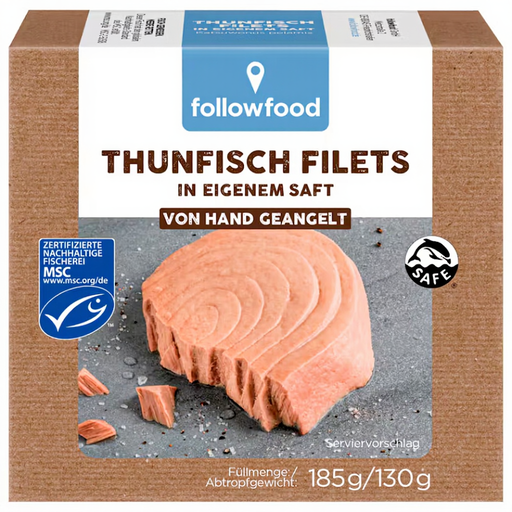
Why This Fits Their Persona: This tin delivers twenty-seven grams of protein per one hundred grams of fish, making it an exceptional source of pure, lean nutrition for post-workout recovery or calorie-controlled meal planning. The skipjack fillets come packed in their own natural juices without added vegetable fats, allowing you to stir them straight into pasta, rice bowls or crisp salads.
It eliminates the frustration of hidden calories from rich cooking oils, while the clear one-hundred-and-thirty-gram drained weight ensures you can calculate your exact macronutrient intake with complete confidence.
One hundred percent MSC certification guarantees that the wild-caught skipjack comes from sustainable fisheries with full traceability from catch to shelf.
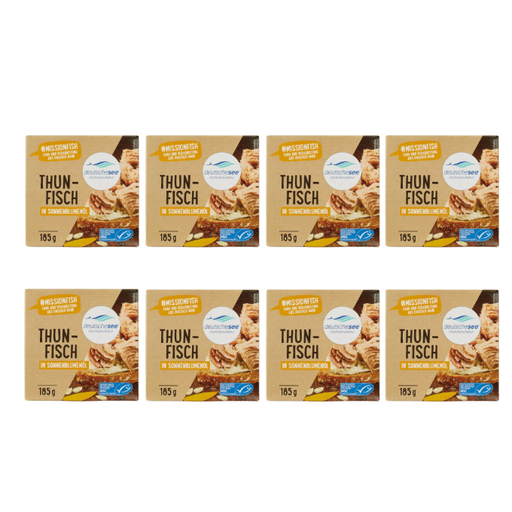
Why This Fits Their Persona: Providing eight individual tins of one hundred and eighty-five grams each, this multi-pack is designed for busy households and regular meal preppers who want reliable, tender tuna ready to serve in the pantry. Packed in clean sunflower oil, the fillets maintain a moist, succulent texture that works effortlessly in hearty pasta bakes, sandwiches and family bakes.
Buying in a convenient eight-pack prevents the premium unit costs often associated with purchasing single tins on weekly grocery runs, keeping your pantry well-stocked for spontaneous cooking.
The sunflower oil medium preserves the moisture of the fish over extended storage, ensuring tender, ready-to-flake meat that does not dry out during hot recipe preparation.
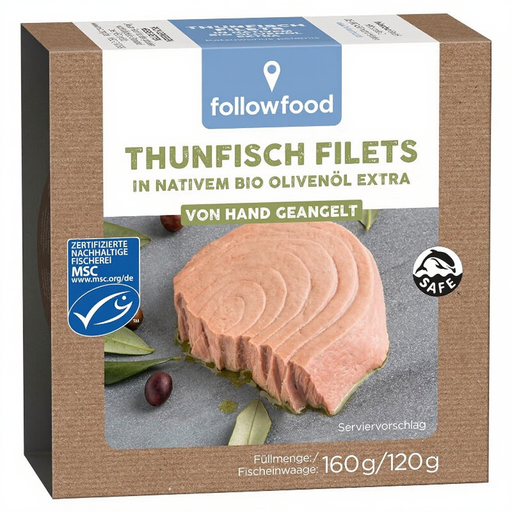
Why This Fits Their Persona: Submerged in premium cold-pressed organic extra virgin olive oil, these MSC-certified tuna fillets provide a silky mouthfeel and refined taste profile designed for gourmet dining. The quality of the oil means it can be emulsified straight into dressings or tossed with warm pasta and herbs without pouring flavour down the sink.
It bypasses the bland, dry texture common to mass-market processed tuna, using high-grade whole fillet cuts that retain their structural integrity on the plate.
Combines rigorous MSC sustainable fishing standards with certified organic extra virgin olive oil for an authentic, restaurant-grade culinary staple.
If you are looking to diversify your pantry protein with options like skinless salmon fillets, sardines or mackerel in delicate marinades, explore our broader seafood collection.
Tuna canned in its own juice or mild brine delivers higher protein density per calorie because the liquid does not contribute dietary fat. While the fish flesh itself contains comparable protein levels, tuna in oil absorbs dietary lipids, roughly doubling the overall calorie count per portion. Athletes prioritising pure protein per calorie typically prefer water-packed variants, whereas oil-packed options deliver a richer texture and essential fatty acids.
Drained weight measures only the solid fish meat after the canning liquid has been poured off. Because canning brine or oil can represent twenty-five to thirty-five percent of the total container weight, calculating your protein and calorie targets using the gross weight printed on the front will cause you to significantly overestimate your actual food intake. Nutrition labels clearly list the net drained weight, which should always form the baseline for your meal calculations.
Look for independent, third-party eco-labels such as the Marine Stewardship Council blue fish mark, which verifies that the stock is caught from healthy populations using methods that minimise bycatch. Responsibly sourced tuna labels will also clearly identify the specific fish species, such as Skipjack or Yellowfin, along with the FAO fishing area and catch method, ensuring full supply chain traceability from harvest to processing.