
Lieferung heute & morgen

Qualitätsgarantie

Willkommens-Angebote freischalten: KOSTENLOSE Lieferung | Bis zu 80 % RABATT | Kostenlose 30-Tage-JoyPlus-Testphase
App herunterladen
Canned tuna is a staple in many pantries—and for good reason. It's a convenient source of protein, incredibly versatile, and the foundation for countless quick meals. However, the selection of canned tuna is vast, and the differences aren't always immediately apparent. Whether you're looking for a healthy ingredient for your salad, a quick meal for a busy day, or you prioritise sustainable fishing, choosing the right product is crucial.
As your Joybuy Product Recommendation Officer, I have compiled the relevant information for you. This guide will help you understand the different varieties and make an informed decision that meets your needs.
Selecting the right canned tuna depends on your personal preferences and intended use. Three key criteria will help guide your choice.
The liquid the tuna is packed in significantly influences its flavour, texture, and nutritional value.
For eco-conscious buyers, the origin of the fish is an important criterion. Sustainable tuna comes from fisheries that manage marine resources responsibly. The most recognised sign of this is the blue MSC label (Marine Stewardship Council). It certifies that the fish comes from a sustainable fishery that protects fish stocks and minimises its impact on the marine ecosystem. Look for information about the fishing method on the packaging. Methods like "Pole and Line" are considered particularly selective and gentle.
The way the fish is processed affects its texture and how it can be used.
Based on these criteria, we have put together a selection of different tuna products that cater to various needs.

What sets it apart: These tuna fillets of the Skipjack variety (Katsuwonus pelamis) are packed in high-quality Italian olive oil. The fish is wild-caught in the Western Pacific (FAO 71) using the purse seine method. The combination of firm fillets and aromatic oil makes this product a versatile ingredient.
Benefits:
Best for: Food lovers who appreciate the rich taste of tuna in oil and are looking for a product for salads, pasta, or as a pure protein snack.
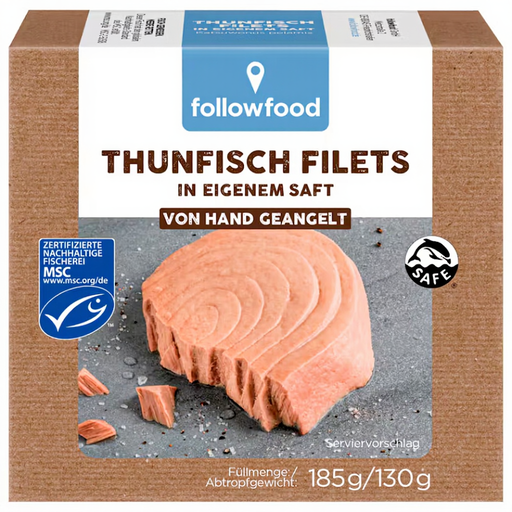
What sets it apart: This product stands for uncompromising sustainability. The Skipjack tuna is 100% MSC-certified and caught using the gentle "Pole and Line" fishing method in the Maldives. It is processed fresh on-site and contains no added oil, which preserves the pure fish flavour.
Benefits:
Best for: Health- and eco-conscious consumers seeking a pure, high-protein, and sustainable product for their fitness-focused meals or light dishes.
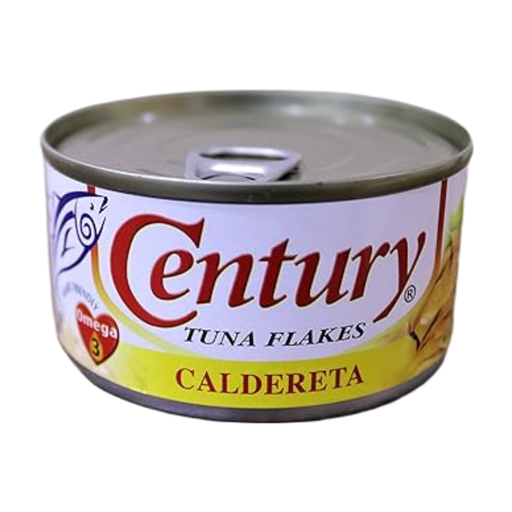
What sets it apart: This ready-to-eat meal with tuna brings the authentic taste of the Philippines straight to your table. It features tuna chunks in a rich Caldereta sauce, a classic Filipino stew made with a tomato base, bell peppers, carrots, and spices.
Benefits:
Best for: Working professionals, students, and anyone with little time to cook who still wants a warm, tasty meal. Also great for adventurous eaters looking to discover new flavours.
Didn't find the right option for you? Our range includes a wider selection of canned tuna, from classic fillets to international specialities. Each product offers different benefits for your kitchen.
Discover our entire TUNA selection here
1. Which canned tuna is best for a salad? The choice depends on your desired flavour profile and calorie count. Tuna in oil gives the salad a moist texture, and the oil can be used as part of the dressing. Tuna in its own juice is the lighter option and gives you full control over the dressing. For an appealing presentation and a firm texture, tuna fillets are an excellent choice.
2. What does the MSC label on canned tuna mean? The MSC (Marine Stewardship Council) label is an internationally recognised eco-label for fish and seafood from sustainable wild-capture fisheries. It confirms that the fishery ensures fish stocks for the future, minimises its impact on the marine ecosystem, and has effective management in place. Buying MSC tuna supports the protection of our oceans.
3. How long does canned tuna last after opening? After opening the can, any unused contents should be transferred to a clean, sealable, non-metallic container (e.g., glass or plastic). Stored in the refrigerator, the tuna should be consumed within one to two days. Always follow the manufacturer's specific instructions on the packaging.