
Lieferung heute & morgen

Qualitätsgarantie

Willkommens-Angebote freischalten: KOSTENLOSE Lieferung | Bis zu 80 % RABATT | Kostenlose 30-Tage-JoyPlus-Testphase
App herunterladen
Canned tuna is a staple in many pantries. It serves as a protein-packed base for quick salads, nutritious pasta dishes, or a simple sandwich filling. However, the selection on store shelves or online can be overwhelming: tuna in oil, tuna in brine, with sustainability labels, or without. This guide is designed to help you understand the different options and make an informed choice that fits your needs.
Choosing the right product depends on your personal preferences, dietary goals, and values. Here are some key criteria to help guide your decision.
The liquid the tuna is packed in significantly affects both the flavour and the nutritional value of the product.
For many consumers, sustainability is an increasingly important factor. When it comes to sustainable tuna, there are two key points to consider:
The description on the can indicates the form of the tuna inside.
Based on these criteria, we have curated a selection of tuna products that cater to different needs.

Why It Stands Out This product from Saupiquet Tuna combines tender tuna fillets with high-quality olive oil. It provides a classic and flavourful base for a wide variety of dishes.
Benefits
Who Is It For? For consumers who appreciate the full flavour of tuna in oil and are looking for a versatile product for quick meals.
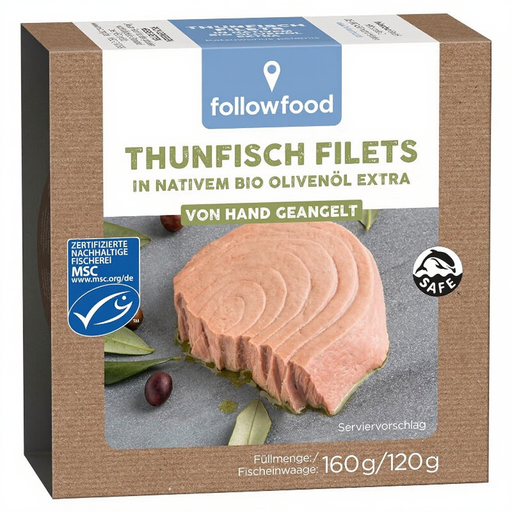
Why It Stands OutFollowfood Tuna places a clear focus on sustainability and quality. The product combines MSC-certified fishing with organic olive oil and offers complete traceability.
Benefits
Who Is It For? For environmentally conscious buyers who value certified sustainability, organic ingredients, and a transparent supply chain.
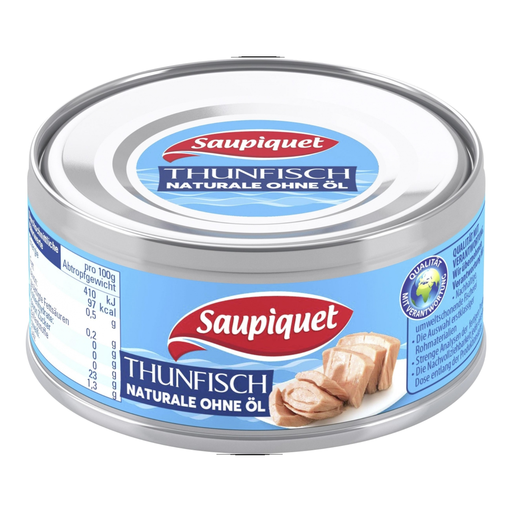
Why It Stands Out This option from Saupiquet is the choice for a health- and body-conscious diet. The tuna is gently cooked in its own juices with just a pinch of salt.
Benefits
Who Is It For? Ideal for individuals following a low-fat diet, athletes seeking a lean protein source, and anyone who wants the flexibility to customise their meals with their own fats and dressings.
If you are looking for other varieties, such as different types of canned fish, you can find a wider selection in our category. Discover more products in the Fish in Oil section here.
The MSC (Marine Stewardship Council) label is an international, independent certification for fish from sustainable fisheries. It confirms that the fish comes from a source that maintains the health of fish stocks, minimises its impact on the marine ecosystem, and has effective management in place. Buying products with this label supports responsible fishing practices.
There is no one-size-fits-all answer; it depends on your individual dietary goals. Tuna in brine is significantly lower in calories and fat, making it well-suited for a weight-management diet. Tuna in oil provides more energy and, depending on the quality of the oil, can contain valuable fatty acids. It is often more flavourful, and the oil can be used directly in the preparation of your meal.
After opening the can, any unused tuna should be transferred to a non-metallic, sealable container. When stored in the refrigerator, it should generally be consumed within one to two days. Always refer to the manufacturer's specific instructions on the packaging.