
Lieferung heute & morgen

Qualitätsgarantie

Willkommens-Angebote freischalten: KOSTENLOSE Lieferung | Bis zu 80 % RABATT | Kostenlose 30-Tage-JoyPlus-Testphase
App herunterladen
Canned vegetables are a staple in many pantries across the country. They make it easy to prepare quick, predictable meals, whether as a side dish, in stews, or as an ingredient in international recipes. However, when buying canned vegetables, there are a few pitfalls that can lead to you getting a product that doesn't meet your expectations for taste and quality. This guide will help you separate the good from the bad and make an informed choice.
Before you stock up, it's helpful to know the typical problems that can arise with low-quality products.
To avoid these pitfalls, you should pay attention to a few key parameters when buying canned vegetables. These will help you identify high-quality products that are suitable for your needs.
A look at the label is essential. A short, understandable ingredient list consisting mainly of vegetables, water, and salt is usually a good sign. Look for products labelled "no added sugar".
The Nutri-Score provides a quick guide to a product's nutritional quality. A rating in the green range (A or B) indicates a balanced ratio of nutrients, salt, sugar, and fat. This is particularly relevant if you are looking for shelf-stable foods for a health-conscious diet.
The processing method has a direct impact on texture and nutrient content. Products marked as "gently steam-cooked" often retain a firmer consistency and more of their original nutrients compared to conventionally sterilised cans.
Always compare the drained weight, not just the total fill volume in millilitres or grams. This information is legally required and tells you the true value of the contents. This ensures you pay a fair price for the actual amount of vegetables.
The range of canned vegetables is diverse and covers a wide variety of culinary needs.
To make the selection easier, we have matched some products to different user profiles.
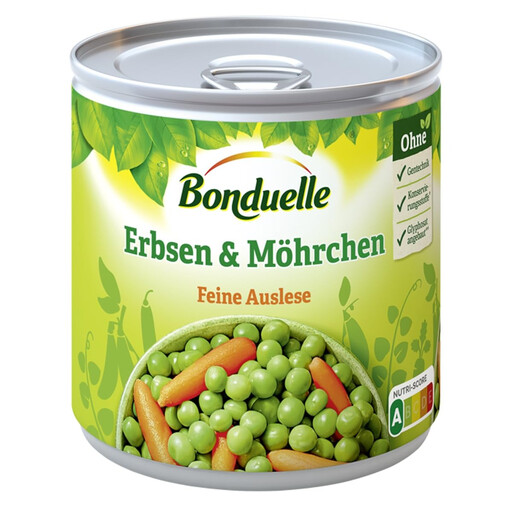
Why This Fits Their Persona: Ideal for anyone who needs a quick, uncomplicated, yet tasty vegetable side dish. Perfect for families and professionals who want to get a warm meal on the table in minutes.
The fine selection and gentle processing ensure a pleasantly firm texture. With a Nutri-Score of A and no preservatives, it avoids the trap of low-quality ingredients.
A classic, versatile vegetable mix. According to the manufacturer, it is grown without glyphosate and is GMO-free.

Why This Fits Their Persona: An essential ingredient for authentic Asian dishes. Ideal for home cooks who enjoy preparing curries, soups, or stir-fries and value the right texture.
The ingredient list is minimalist: bamboo, water, and citric acid for freshness. There are no hidden sugars or salts. The strips retain their crisp consistency even after cooking.
Very low in calories (12 kcal/100g), fat-free, and sugar-free. The large can provides a good supply for several dishes.
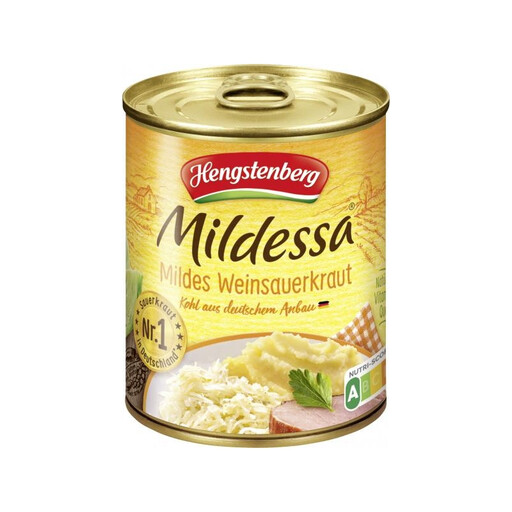
Why This Fits Their Persona: For lovers of traditional cuisine who are looking for a natural, nutrient-rich product. It is vegan, gluten-free, lactose-free, and rich in natural vitamin C.
The ingredient list consists only of white cabbage, wine, and salt. No flavour enhancers, preservatives, or sugar are added. The mild acidity comes from the wine and natural fermentation.
Particularly mild and juicy in taste with a firm texture. The Nutri-Score of A confirms its high nutritional quality.
We have compiled a complete, up-to-date list of products that fully meet these strict selection criteria and UK/EU regulations.
1. How long do canned vegetables really last? Canned vegetables have a best-before date, not a use-by date. When stored correctly—in a cool, dry place without damage to the can—they are often still edible long after the best-before date has passed. However, colour, taste, and texture may change slightly over time. A bulging or dented can should be discarded for safety reasons.
2. Are canned vegetables as nutritious as fresh vegetables? The heat-based canning process can reduce the content of heat-sensitive vitamins like Vitamin C. On the other hand, nutrients like lycopene in tomatoes become more bioavailable to the body through heating. An advantage of canned goods is that the vegetables are processed immediately after harvesting, which minimises nutrient loss from long transport and storage times that can occur with fresh produce. Modern methods like gentle steam-cooking also help to preserve more nutrients.
3. How can I identify a high-quality canned vegetable? Look for a short ingredient list without unnecessary additives like sugar or flavour enhancers. A good Nutri-Score (A or B) is a reliable indicator. Check the drained weight to assess the actual vegetable content. After opening, the vegetables should have a firm, not mushy, consistency and an appealing colour.