
Lieferung heute & morgen

Qualitätsgarantie

Willkommens-Angebote freischalten: KOSTENLOSE Lieferung | Bis zu 80 % RABATT | Kostenlose 30-Tage-JoyPlus-Testphase
App herunterladen
A high-quality cantilever parasol transforms a garden, patio, or balcony into a comfortable oasis. However, the selection is vast, and not every model lives up to its promise. Many buyers are frustrated by unstable constructions, fabrics that fade quickly, or cumbersome operating mechanisms. As your Joybuy Product Recommendation Officer, I will help you identify the crucial features and avoid common purchasing traps, enabling you to make an informed decision for your new sunshade.
Before we focus on the positive attributes, it's important to be aware of the most widespread defects. Pay attention to these points to avoid a poor purchase.
To avoid the problems mentioned above, you should check three central aspects before buying. These define the durability, safety, and functionality of your new parasol.
The stability of a cantilever parasol depends on two components: the frame and the stand.
The parasol canopy is your direct shield from the sun. Here, the details are crucial.
A modern cantilever parasol should adapt to the sun's position, not the other way around.
Based on these objective criteria, we have identified several models that represent a considered choice for different needs and locations.
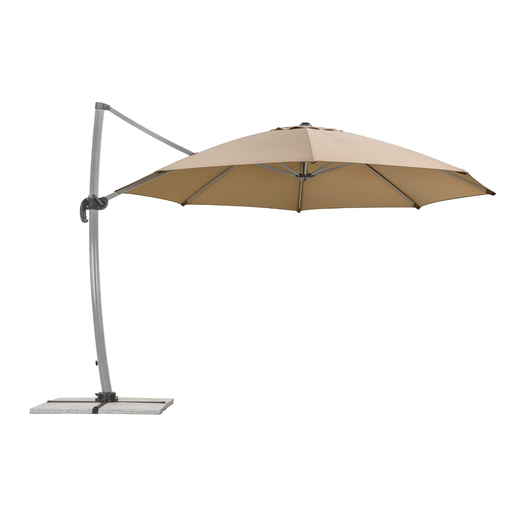
Why it's a great fit: Ideal for shading large patios or garden seating areas. The combination of a 350 cm diameter, robust aluminium frame, and full functionality is aimed at users who value durability and comfort.
The powder-coated aluminium frame and the solid slab base (slabs sold separately) address the weaknesses of unstable mechanics and inadequate stability.
The 360° rotation via foot pedal and the tilting function offer maximum flexibility in positioning the shade throughout the day.
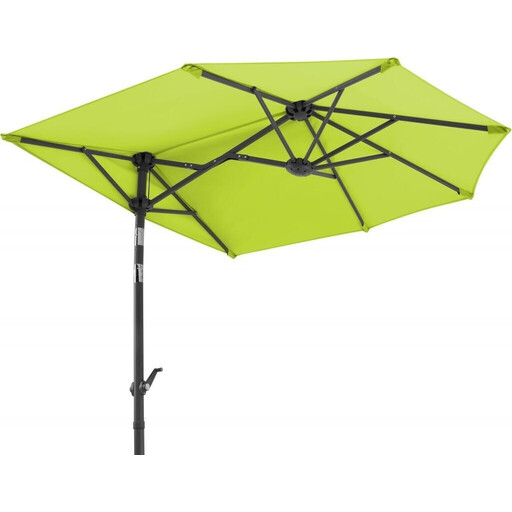
Why it's a great fit: This special **balcony parasol** is rectangular and halved, allowing it to be placed directly against a wall. It's the perfect solution for narrow balconies or patios where a round parasol would take up too much space.
It solves the problem of impractical, bulky parasols in small spaces. The crank and tilt joint are designed to be easily operated even in tight quarters.
The space-saving design for placement against a wall. According to the manufacturer, the fabric offers certified 50+ sun protection per AS/NZS4399.
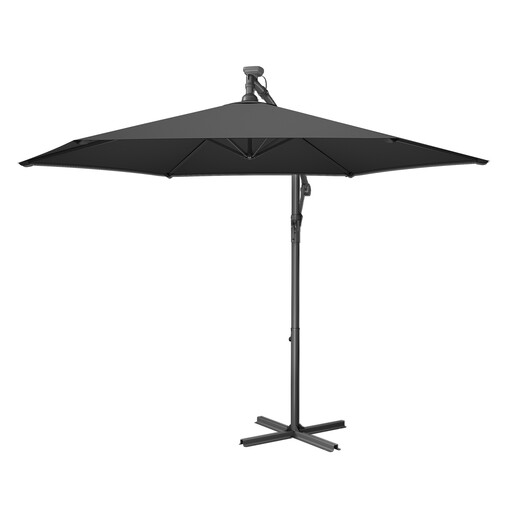
Why it's a great fit: With a 3-metre diameter, crank mechanism, and tilting function, this model offers a solid set of basic features for beginners looking for a functional cantilever parasol at an accessible price.
The included cross-base stand provides a clear foundation for stability. The manufacturer advises weighting the base with up to 80 kg, which helps avoid the trap of an unstable parasol.
Excellent value for money for a complete set with all the essential functions. The 180 g/m? polyester canopy with UPF 50+ offers reliable protection.
We have compiled a complete, up-to-date list of products that fully meet these strict selection criteria and German safety regulations.
1. How much weight does a cantilever parasol stand need? This depends on the size of the canopy. For a parasol with a 3 m diameter, a minimum of 80 kg is generally recommended. For larger models (3.5 m or more), it can be 100-120 kg. Always follow the manufacturer's specific recommendation to ensure stability.
2. Can you leave a cantilever parasol open in the wind? No. Due to their side-post design, cantilever parasols present a large surface area to the wind. In gusty or strong winds, during thunderstorms, or when leaving the parasol unattended, it should always be closed and secured with a protective cover. This prevents damage to the frame and joints.
3. How do you clean and maintain a cantilever parasol canopy? Most canopies can be removed for cleaning. Hand washing with a mild soapy solution is typically recommended. Do not use harsh detergents or brushes. Allow the canopy to air dry completely while stretched on the frame to prevent shrinking. A protective cover will significantly extend the life of the fabric.