
Lieferung heute & morgen

Qualitätsgarantie

Willkommens-Angebote freischalten: KOSTENLOSE Lieferung | Bis zu 80 % RABATT | Kostenlose 30-Tage-JoyPlus-Testphase
App herunterladen
A high-quality, versatile sunshade is an essential addition to any patio or garden. A cantilever parasol that can tilt and rotate offers maximum convenience by adapting to the sun's position throughout the day. However, the market is saturated with options whose quality often only becomes apparent after the first season. Many buyers invest in models that prove to be impractical, unstable, or short-lived. This guide highlights the crucial features that distinguish a durable cantilever parasol from a problematic one, helping you make an informed decision.
Before making a purchase, it's important to be aware of the typical flaws often hidden behind appealing product images.
To avoid the problems mentioned above, you should focus on three key parameters during your selection. These define the durability and functionality of your parasol.
The canopy is more than just a colourful piece of fabric. Look for the following specifications:
Stability is paramount for safety and durability.
The features that define a cantilever parasol must be reliable and operate smoothly.
Here are three recommendations tailored to different needs and space constraints.
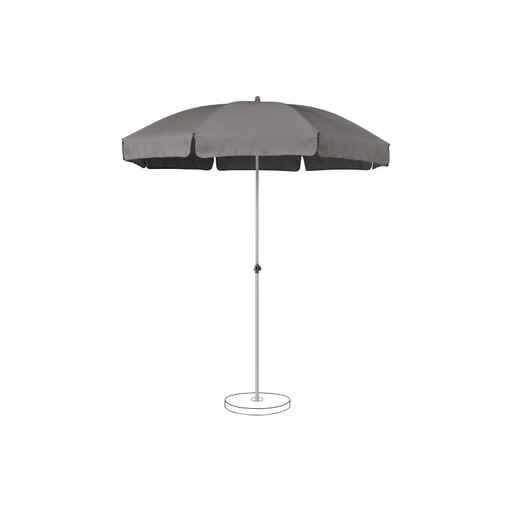
Why this model is a great fit: This parasol is designed as a classic balcony parasol. With a 180 cm diameter, it's ideal for smaller areas but still offers the flexibility of a tilting and rotating model to direct the shade perfectly.
It uses a high-quality polyester fabric (180g/m?) with a Level 6 fade resistance rating and UV protection 50+. This prevents the common problems of fading and inadequate protection.
It combines the brand quality of Glatz with a compact design. The canopy is removable and washable, which increases its longevity.
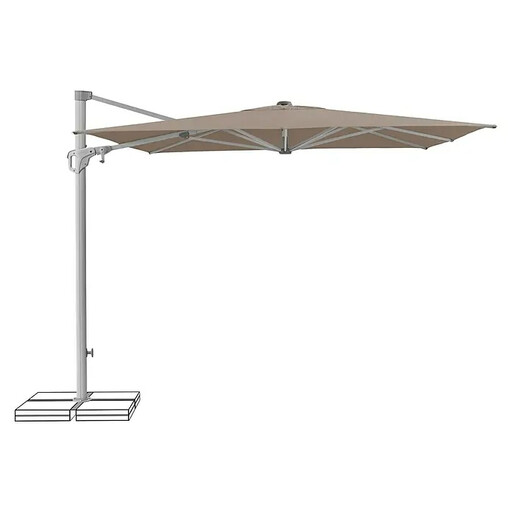
Why this model is a great fit: For users who need a large patio parasol and want maximum ease of use. The 250x250 cm size effortlessly shades entire seating areas.
The robust 100% aluminium construction and the recommendation for a 120 kg base directly address the problem of instability. The smooth-operating crank mechanism is designed for durability.
Full flexibility with 360° rotation, a 4-stage tilt, and crank operation. All moving parts are available as spares, ensuring long-term use.
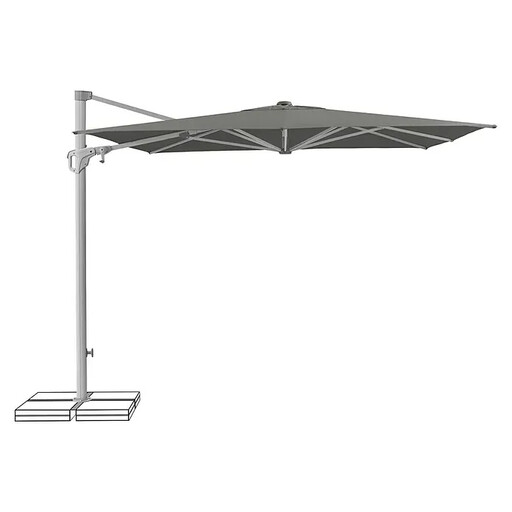
Why this model is a great fit: This model offers the same high functionality as the Familyflex in Taupe but in a modern, neutral colour. The grey cantilever parasol blends seamlessly into contemporary garden designs.
The high Level 6 fade resistance rating ensures that the elegant grey colour won't fade, allowing the parasol to remain a visual highlight for years to come instead of becoming a faded eyesore.
It combines the proven engineering and stability of the Glatz cantilever parasol with a timeless aesthetic. Includes a protective cover to preserve its value.
We have compiled a complete, up-to-date list of products that fully meet these strict selection criteria and safety requirements.
The required weight depends heavily on the size of the canopy. For smaller models up to 2 metres in diameter, 30-50 kg may be sufficient. For large cantilever parasols measuring 2.5 x 2.5 metres or more, a minimum of 120 kg is recommended to ensure stability, even in windy conditions. A base stand designed for four or eight standard paving slabs (e.g., 40x40 cm) is a very reliable solution.
Proper care is crucial. Regularly brush off loose dirt when dry. For more stubborn stains, the canopy (if removable) can be cleaned with a mild soap solution and a soft brush. It is important to let the fabric air-dry completely before closing the parasol or storing it in its protective cover to prevent mildew and mould. Using the included protective cover when not in use and during winter will significantly extend its lifespan.
Lightfastness indicates how resistant a fabric's colour is to the effects of sunlight. It is rated on a scale from 1 (very low) to 8 (excellent). A rating of 5 is considered good, while ratings of 6 (very good) or 7 (outstanding) mean that initial colour changes will only occur after very long and intense sun exposure (e.g., after approx. 160 days for Level 6). A high rating is a clear indicator of quality and ensures your parasol will look great for a long time.