
Lieferung heute & morgen

Qualitätsgarantie

Willkommens-Angebote freischalten: KOSTENLOSE Lieferung | Bis zu 80 % RABATT | Kostenlose 30-Tage-JoyPlus-Testphase
App herunterladen
A fresh coat of paint can transform a room, but the final result depends heavily on the quality of the materials used. Shoppers who focus only on price when buying painting supplies often face nasty surprises: an uneven finish, lint-shedding rollers, or tools that are useless after a single use. Before you start your next project, it's crucial to understand the common pitfalls that cost not only money but also valuable time.
The most common problems arise from three subtle but critical selection errors:
To avoid these issues, a basic understanding of the most important product parameters is essential.
Choosing the right painting tools doesn't have to be complicated. Focus on a few crucial technical features to ensure your renovation supplies meet the demands of your project.
The most critical component for a successful paint job is the roller itself. The material determines how the paint is absorbed and released.
Long painting jobs can be physically demanding. An ergonomically shaped handle, often made from a combination of PP and TPE (soft rubber), provides a better grip and reduces fatigue. Also, pay attention to compatibility with extension poles. A standardised thread on the end of the handle allows you to easily attach a telescopic pole, which is essential for painting ceilings and high walls.
A good tool cart is the backbone of any organised workshop. Three factors are crucial here:
Based on these objective criteria, we have compiled a selection of products suitable for specific use cases.
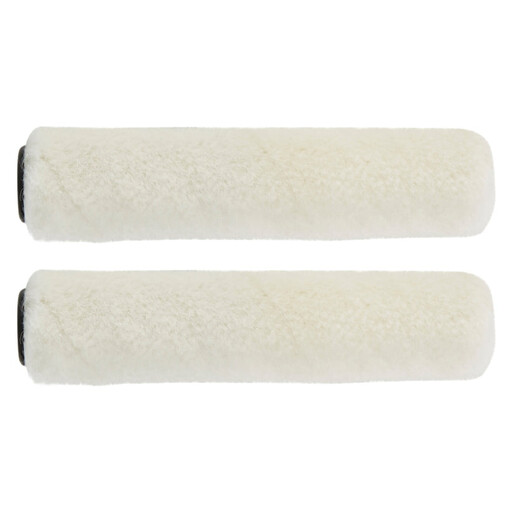
Why This Fits Their Persona: Ideal for DIYers who want a perfect finish when painting furniture, doors, or trim. The compact 10 cm size allows for precise work on small and hard-to-reach areas.
This product bypasses the "wrong material" trap. The mohair fibres are specifically designed for varnishes and prevent the lint shedding that occurs when using standard wall paint rollers on smooth surfaces.
The very short nap ensures an extremely smooth varnish finish. The 2-pack offers great value for money, perfect for multiple projects or coats.
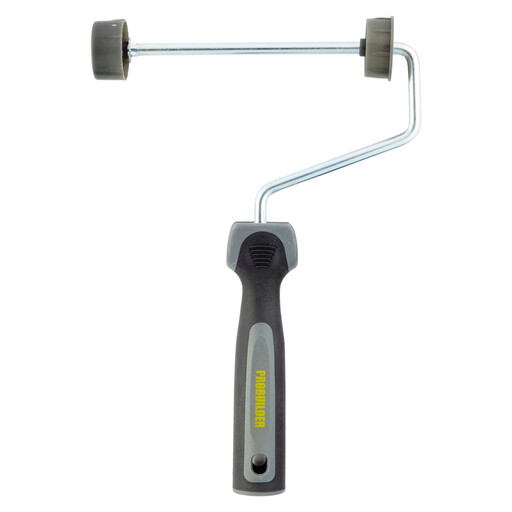
Why This Fits Their Persona: Suitable for renovators who want to efficiently paint large wall and ceiling areas. The standard 18 cm width offers a good balance between coverage speed and manageability.
This product solves the "one-size-fits-all" problem by being a separate, sturdy frame. The user can flexibly choose the appropriate 18 cm roller (e.g., acrylic for walls) depending on the surface.
The ergonomic soft-grip handle ensures comfort during long work sessions. Compatibility with standard extension poles makes painting high walls and ceilings much easier.
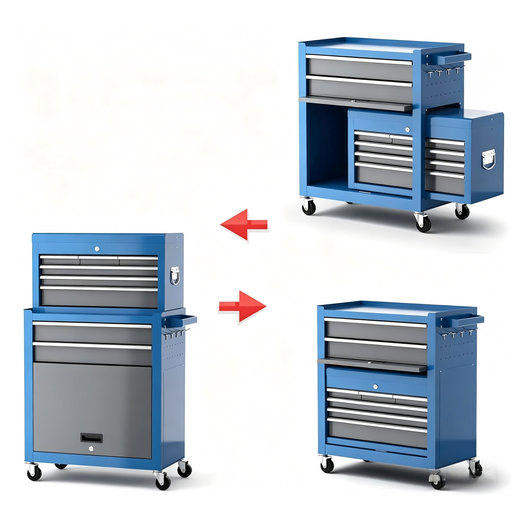
Why This Fits Their Persona: Perfect for anyone who owns a large number of tools and DIY accessories and needs a mobile, stable, and organised storage solution for their workshop or garage.
This model directly counteracts the "unstable cart" trap. Its cold-rolled steel construction and a high load capacity of approx. 250 kg (550 lbs) provide the necessary robustness for daily use.
The lockable casters guarantee a secure stance. Additional features like the pegboard with hooks and the drawer liners maximise organisation and protect the tools.
A well-considered selection of painting supplies is the foundation of any successful renovation project. Discover more products that have been pre-selected for you based on objective quality criteria.
For textured wallpaper, a paint roller with a long nap, typically between 18 mm and 22 mm, is recommended. This long nap ensures that the paint gets into the deep textures of the wallpaper, achieving an even, opaque finish. Rollers made of polyamide or sheepskin are well-suited for this.
The lifespan of a paint roller depends on its quality and how it's cared for. High-quality rollers can be used for multiple projects with proper handling. It's important to clean the roller thoroughly immediately after use with water (for emulsion paints) or a suitable solvent (for varnishes). It must be completely dry before being stored. As soon as the fibres become matted or start to shed, the roller should be replaced.
A multi-tool, like the ROLLINGDOG Multifunctional Painter Tool 4 in 1, can be a worthwhile addition if it is well-constructed. It combines functions like cleaning paint rollers, opening paint cans, and scraping off old paint. Such a tool saves space in the toolbox and time during preparation and clean-up. Look for a sturdy stainless steel blade and an ergonomic handle.