
Lieferung heute & morgen

Qualitätsgarantie

Willkommens-Angebote freischalten: KOSTENLOSE Lieferung | Bis zu 80 % RABATT | Kostenlose 30-Tage-JoyPlus-Testphase
App herunterladen
Canvas, also known as sailcloth, is a material prized for its robustness and longevity. From the practical canvas bag for everyday use to the cosy canvas hammock for the garden, its applications are diverse. However, not all products advertised as "canvas" live up to their promise. Many consumers invest in supposedly durable fabric products, only to find that seams tear or the material wears out quickly.
This guide will show you the most common pitfalls when buying canvas products and explain the crucial features you need to look for to make an informed decision for long-lasting everyday items.
Before you make a purchase, it's important to know the typical flaws often hidden behind appealing product photos.
To avoid the problems mentioned above, you should check three key parameters before buying. These will help you objectively assess the quality of a canvas product.
The quality of canvas is often indicated in grams per square meter (GSM). A higher GSM generally indicates a denser, more resilient fabric.
Examine the product description and images closely for clues about the craftsmanship.
For products that come into contact with skin or are used in living areas, certifications are relevant.
To put theory into practice, we have selected a few products that meet specific requirements and exhibit the quality features mentioned.
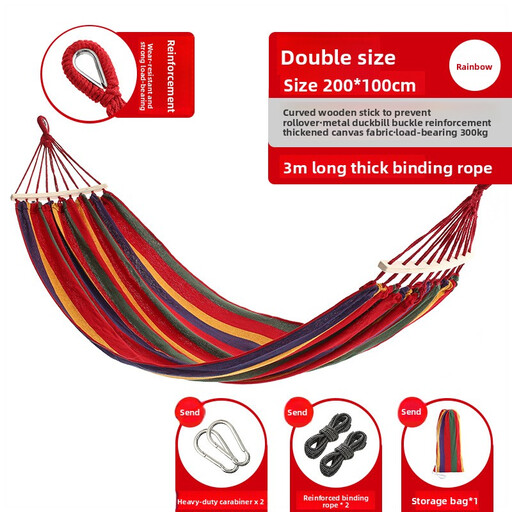
Why it's a great fit: Ideal for those seeking a stable and secure way to relax in the garden, on the balcony, or while camping. The design with spreader bars ensures a balanced lying surface.
Addresses the weakness of poor craftsmanship with metal-reinforced knots that reduce friction on the rope and increase its lifespan. The thick 320G canvas fabric counteracts the problem of low-quality materials.
High weight capacity of up to 300 kg and an anti-rollover design for enhanced safety and comfort.
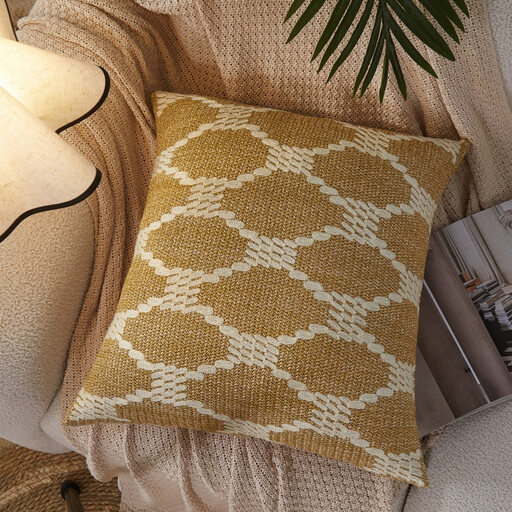
Why it's a great fit: For anyone who values high-quality, low-maintenance home accessories. The combination of aesthetics and functionality makes this cushion cover a durable decorative piece.
Certification according to STANDARD 100 by OEKO-TEX guarantees it is free from harmful substances. The clear material specification (Front: 100% PE, Back: 100% Polyester Canvas) creates transparency and prevents false expectations.
The water-repellent front is practical and easy to clean, while the robust canvas back ensures it holds its shape.
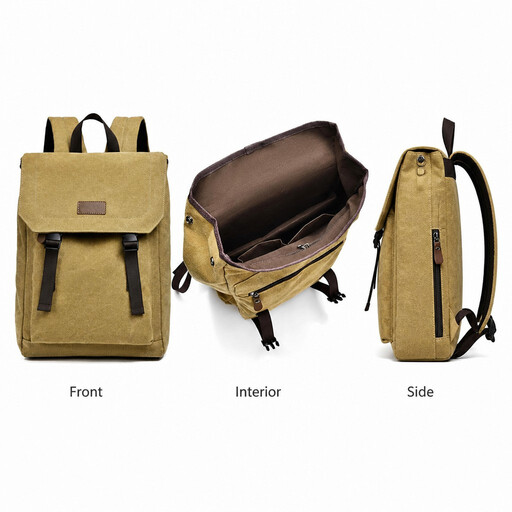
Why it's a great fit: Perfect for students, commuters, and travellers who need a spacious, stylish, and durable backpack for daily transport of a laptop and other items.
This model counters the pitfall of lacking functionality with a large capacity and a water-repellent feature that protects the contents in light rain. The robust canvas is designed to handle the weight of a laptop.
The combination of vintage design, large storage space, and practical features makes it a versatile companion for work, university, and leisure.
For artists and creatives in particular, there is a wide range of products available. We've compiled a complete, up-to-date list of items that meet these strict selection criteria.
Proper care depends on the specific product. Generally, spot cleaning with a damp cloth and mild soap is recommended for most canvas items. Avoid machine washing, especially for coated fabrics or products with metal or leather applications, as this can damage the material and its water-resistant treatment. Always let products air dry and avoid direct sunlight to prevent colours from fading.
Traditional cotton canvas is naturally highly water-repellent but not completely waterproof. Water will initially bead up and roll off, but it can penetrate during prolonged or heavy rain. Many modern canvas products, especially backpacks and outdoor gear, use polyester canvas or have a special waterproof coating (e.g., from PE or PVC) to increase protection against moisture. Check the product description for specific terms like "water-repellent" or "waterproof."
OEKO-TEX STANDARD 100 is an independent testing and certification system for textile products. If a canvas cushion cover carries this label, it means that all its components (fabric, threads, zip, etc.) have been tested against a long list of harmful substances. It confirms that the product is safe for human health—an important aspect for textiles that come into direct contact with skin.