
Same-day & Next-day Delivery

Quality Guaranteed

Unlock Your Welcome Offers: FREE Delivery | Up to 80% OFF | Free 30-day JoyPlus trial
Download the APP
When you search online to "buy Cabernet Sauvignon red wine," you're met with a vast selection. This grape variety is grown worldwide, and the styles couldn't be more different. However, this abundance of options also presents pitfalls. Vague labels and exaggerated marketing promises can easily lead to a purchase that doesn't meet your expectations. This guide will help you identify the key characteristics and make an informed choice.
Before you make a decision, it's helpful to be aware of two common hurdles that often lead to disappointment:
To find the right Cabernet Sauvignon, focus on objective and verifiable criteria. These three parameters will give you reliable guidance.
The climate and soil (terroir) significantly shape a wine's character.
The maturation method has an enormous impact on the final taste.
Two other important details on the label help with classification.
Here are some suggestions tailored to different needs and occasions.
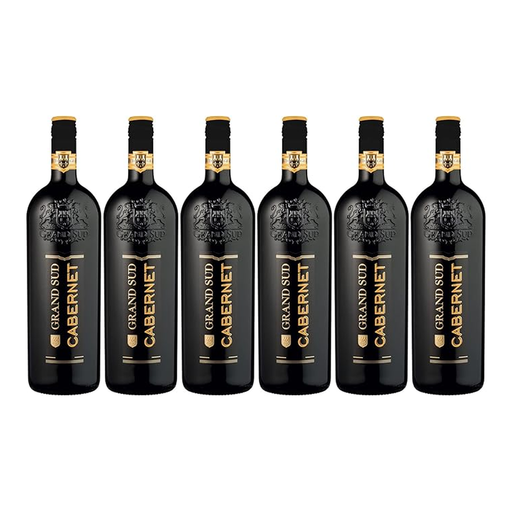
Why This Fits Their Persona: Ideal for those seeking a straightforward and reliable red wine for daily enjoyment or social gatherings. The 1-litre bottle and the Cabernet Sauvignon wine bundle offer excellent value for money.
This wine avoids vague marketing terms and relies on the clear designation of origin, Pays d’Oc IGP. You get exactly what is promised: a sun-kissed, fruity red wine from the South of France.
Practical 1-litre bottle with a screw cap. Approachable, fruit-forward profile with notes of black fruits and spices. Declared as vegan.
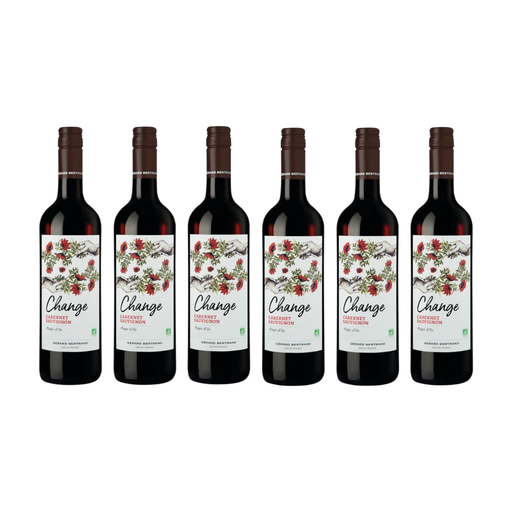
Why This Fits Their Persona: Perfect for wine drinkers who value organic farming and sustainable production methods. Gérard Bertrand is a pioneer in biodynamic viticulture.
This wine doesn't rely on empty promises but on a verifiable certification. The designation FR-BIO-01 is a government-controlled label that transparently proves organic cultivation.
Certified Organic Cabernet Sauvignon from a renowned producer. According to the manufacturer, its commitment to sustainability has been recognised by Robert Parker with the "Green Emblem" award.
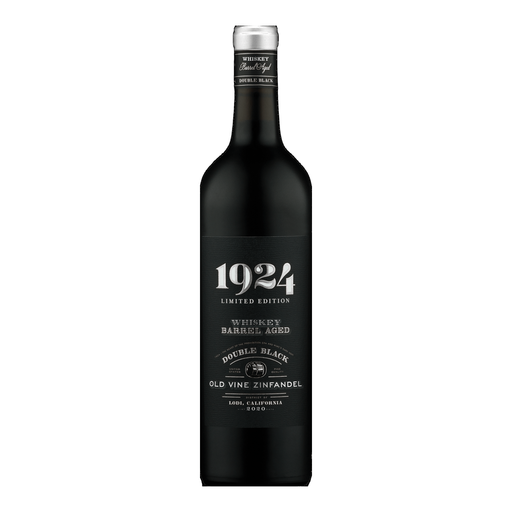
Why This Fits Their Persona: For anyone seeking an intense and exceptional taste experience. This wine combines the power of Californian grapes with the unique character of ageing in former bourbon barrels.
The uniqueness of this wine lies in a clearly defined and verifiable method: ageing in whiskey barrels. This is specific information about the production process, not a vague quality claim.
A very bold Cabernet Sauvignon with an alcohol content of 15.0% ABV. It offers a complex aroma profile of blueberries, herbs, and the typical spicy notes from the bourbon barrel.
We have compiled a complete, up-to-date list of products that fully meet these strict selection criteria and UK/EU regulations.
The term "dry" is defined by EU law and refers to the residual sugar content in the wine. A wine is considered dry if it has a residual sugar content of up to 4 grams per litre (g/l). Alternatively, the value can be up to 9 g/l, provided the total acidity is no more than 2 g/l lower than the residual sugar content. This ensures a harmonious flavour profile without any noticeable sweetness.
An opened bottle of Cabernet Sauvignon should be re-sealed and stored in the refrigerator. This will keep the wine fresh for about 2 to 3 days. Using a vacuum pump can extend its shelf life by another 1 to 2 days, as it removes oxygen from the bottle and thus slows down oxidation.
A bold, tannic Cabernet Sauvignon pairs excellently with equally robust dishes. Ideal companions include grilled or roasted red meats like beef steak or rack of lamb, braised dishes such as goulash or osso buco, and aged hard cheeses (e.g., Parmesan or aged Gouda). The proteins and fats in the food bind with the wine's tannins, making it appear softer and fruitier.