
Lieferung heute & morgen

Qualitätsgarantie

Willkommens-Angebote freischalten: KOSTENLOSE Lieferung | Bis zu 80 % RABATT | Kostenlose 30-Tage-JoyPlus-Testphase
App herunterladen
A perfectly prepared cappuccino from your own portafilter machine or super-automatic coffee maker is a small everyday luxury. But the perfect experience involves more than just good coffee and milk foam—the right cup plays a crucial role. It influences not only the temperature but the entire drinking experience.
This article serves as your guide. We'll introduce various models and explain the key features to look for when choosing a cappuccino cup set. Our goal is to provide an objective basis for your decision, helping you find the perfect cups for your home.
With so many options available, the search for the right set can be overwhelming. Three key criteria will help you make an informed choice: material, shape, and functionality.
The cup's material is crucial for heat retention. A cappuccino shouldn't cool down too quickly, allowing its aromas to fully develop.
The shape of the cup is more than just a matter of aesthetics. The classic tulip shape, which widens towards the top, supports the stability of the milk foam and makes it easier to pour for latte art. The ideal volume for a cappuccino cup is between 150 and 280 ml. This size provides enough space for an espresso (approx. 30 ml) and a generous cap of creamy milk foam without overflowing. A coffee cup set with saucers completes the serving experience and offers a convenient spot for a spoon or a small biscuit.
For daily use, practical features are essential. Make sure the cups are labelled as dishwasher-safe. This makes cleaning significantly easier and ensures hygienic use. If you occasionally want to reheat your drink in the microwave, microwave-safe properties are also an important criterion. A set of 2 cappuccino cups is often a great starting point for couples or small households, while larger sets are practical for hosting guests.
Here is a selection of cups that cater to different needs and preferences—from classic sets to modern single cups.
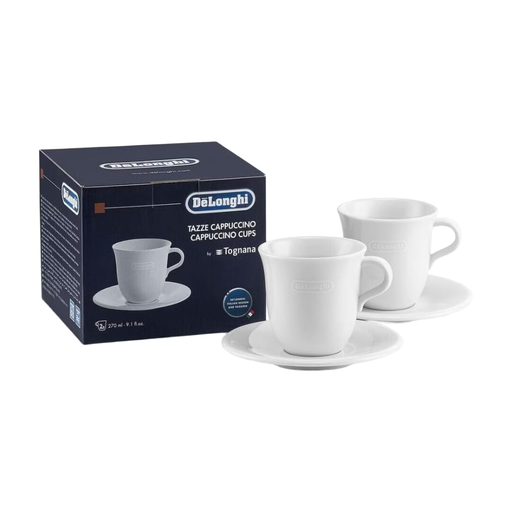
Why it stands out: This set from De'Longhi embodies the classic Italian coffee experience. It was specifically designed for enjoying cappuccino and is a perfect visual match for high-end coffee machines.
Pros:
Who it's for: For lovers of the authentic cappuccino experience who are looking for a stylish and functional set. It also makes an excellent coffee gift set for owners of a De'Longhi machine or other coffee enthusiasts.
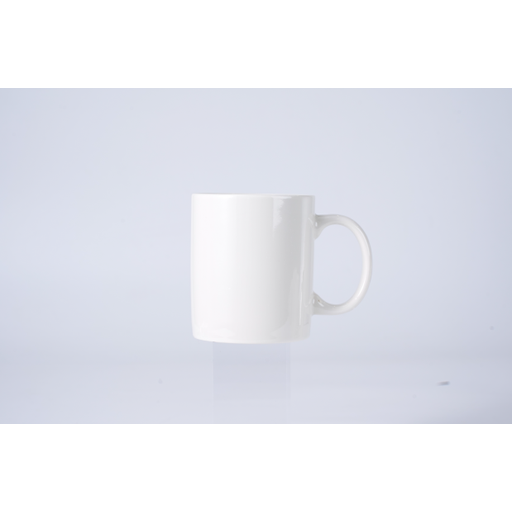
Why it stands out: This mug from JIWOO stands out with its simple, glossy white design. With a 325 ml capacity, it's larger than a classic cappuccino cup, making it suitable for a latte macchiato or a large cup of filter coffee as well.
Pros:
Who it's for: For individuals who prefer a single, versatile mug with a minimalist design. Ideal for anyone who doesn't need saucers and wants one cup for various hot beverages.
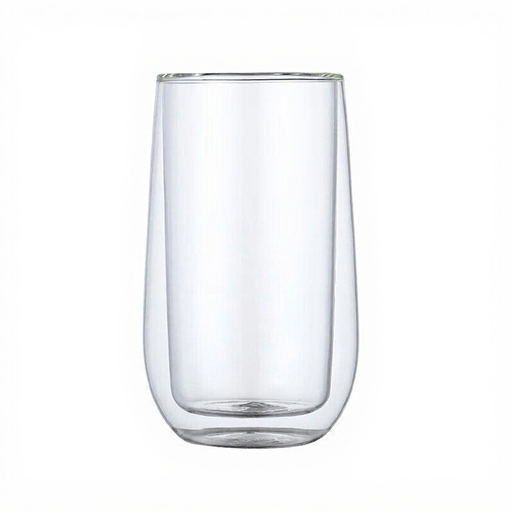
Why it stands out: This cup offers a completely different visual experience. The double-walled glass construction makes the cappuccino appear to float, visually highlighting the layers of espresso, milk, and foam.
Pros:
Who it's for: For design-oriented coffee drinkers who appreciate the visual aspect as much as the taste. An excellent choice for anyone seeking a modern and functional alternative to a classic cappuccino cup set.
The products featured here cover a range of styles and needs. If you haven't found the perfect model for your taste, there are many more options to discover. From colourful ceramic mugs to comprehensive sets for the whole family, the selection is vast.
Discover our entire selection of cups and mugs for your coffee specialities. Browse the Milk Cups category now and find your perfect match.
A typical cappuccino cup has a capacity of about 150 to 280 millilitres. This size is optimal for holding a single or double shot of espresso while leaving enough room for a dense, creamy cap of milk foam without overflowing.
The thick wall, especially in porcelain cups, serves to retain heat. A pre-warmed, thick-walled cup draws less heat from the hot espresso than a cold, thin-walled one. This allows the cappuccino to cool down more slowly, maintaining its ideal drinking temperature for a longer period.
Both materials have their merits. Porcelain is considered the classic choice for Italian design. It is non-porous, very hygienic, and retains heat exceptionally well. Ceramic cups are often a bit more robust and thicker, which also ensures good heat retention. Ultimately, the choice is a matter of personal preference regarding feel, weight, and design.