
Lieferung heute & morgen

Qualitätsgarantie

Willkommens-Angebote freischalten: KOSTENLOSE Lieferung | Bis zu 80 % RABATT | Kostenlose 30-Tage-JoyPlus-Testphase
App herunterladen
The search for the right cappuccino machine for your home can quickly become overwhelming. Manufacturers advertise high-pressure ratings, integrated features, and elegant designs. However, not every machine that looks good on paper delivers a satisfying result in the cup. Often, well-intentioned marketing promises lead to expensive mistakes that cause more frustration than coffee enjoyment.
This guide will help you identify the crucial features and avoid common pitfalls. We focus on the technical facts that truly matter for an authentic cappuccino and show you what to look for before you buy.
Before we dive into the important parameters, let's highlight the three most common marketing traps that often lead to disappointment.
To avoid a bad purchase, you should focus on three core technical aspects. These are the primary determinants of the quality of your homemade cappuccino.
As mentioned, it's not the maximum pump pressure but the constant pressure at the brew group that is decisive. Look for machines that ensure a stable extraction at around 9 bars. Even more important is temperature stability. Even minor fluctuations in water temperature during the brewing process can significantly impact the taste of the espresso. Higher-quality machines often use PID (Proportional-Integral-Derivative) controllers for this purpose, which actively and precisely manage the temperature.
If you opt for a machine with an integrated grinder, the type of grinder is a non-negotiable criterion.
An espresso machine with a milk frother is the basic requirement for making your own cappuccino. However, the systems differ significantly in handling and results:
Here are some recommendations tailored to different user profiles and their requirements.
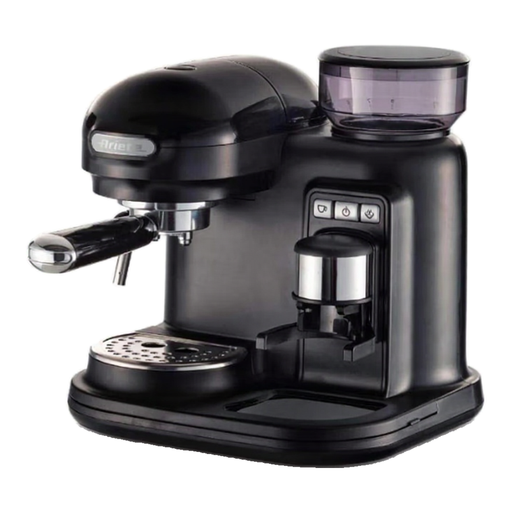
Why this model is a great fit: This machine combines a striking retro design with all-in-one functionality. It is ideal for beginners looking for a hassle-free solution that makes a visual statement in the kitchen and is ready to use out of the box without separate accessories.
The integrated grinder is a conical burr grinder, which avoids the trap of a low-quality all-in-one compromise (Pitfall 2). The operation is streamlined to the essentials, which keeps the cleaning effort manageable (Pitfall 3).
Integrated conical burr grinder for fresh coffee; 15-bar pump pressure; Integrated milk frother for cappuccino.

Why this model is a great fit: For users who want full control and café-quality coffee. The touch display allows for precise adjustment of grind size, coffee strength, temperature, and milk foam texture. You can even save your own creations.
The ThermoJet heating system reaches the ideal temperature in 3 seconds and keeps it stable (avoiding Pitfall 1). The integrated precision conical burr grinder delivers consistent results (Pitfall 2). The automatic cleaning function of the steam wand minimises maintenance (Pitfall 3).
Intuitive touchscreen operation; Automatic microfoam milk texturing; Fast 3-second heat-up time; Save custom coffee profiles.
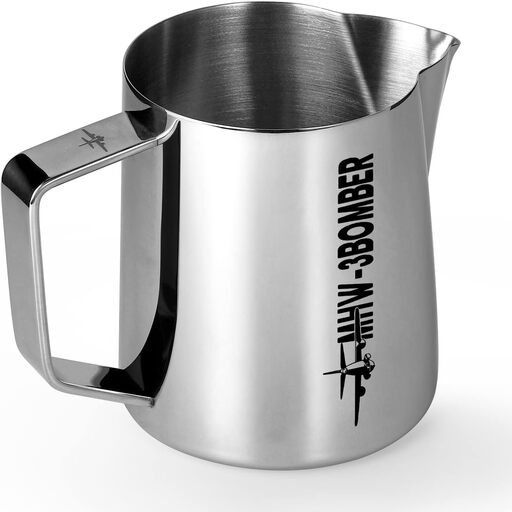
Why this accessory is a great fit: For anyone who already owns a machine with a manual steam wand and wants to perfect their milk frothing skills. A good **latte art pitcher** is essential for precise pouring.
Many included pitchers have a poorly shaped spout that prevents controlled pouring. The special design of this pitcher allows for precise lines and patterns, removing a common hurdle when practising latte art.
Made from 304 stainless steel; Specially shaped spout for precise pouring; Ergonomic handle for a secure grip.
The perfect experience also includes the right vessel. A beautifully designed cappuccino cup set, like the De'Longhi DLSC309 Ceramic Set, not only maintains the temperature but also completes the visual experience.
We have compiled a complete, up-to-date list of products that fully meet these strict selection criteria and all relevant safety regulations.
1. How often should I descale a cappuccino machine? The frequency depends on the water hardness in your area and how often you use it. As a rule of thumb, descale every two to three months. Many modern machines have an automatic reminder function. Regular descaling is crucial for the longevity of the device and consistent coffee taste.
2. What is the optimal grind size for espresso? Espresso requires a fine grind, similar in consistency to fine sand or powdered sugar. If the grind is too coarse, the water will run through too quickly, and the espresso will be watery (under-extraction). If it's too fine, the water will run through too slowly, and the espresso will taste bitter (over-extraction). With a portafilter machine with a grinder, it's often necessary to adjust the grind size gradually to find the optimal result.
3. Can I use any type of milk for cappuccino? Generally, yes, but the result will vary. Whole milk (approx. 3.5% fat) typically produces the creamiest and most stable foam due to its higher fat and protein content. Low-fat milk can also be frothed, but the foam is often airier and less stable. Plant-based alternatives like "Barista Editions" of oat, soy, or almond milk are also specially optimised for frothing and deliver good results.