Hosts serving several cappuccinos
If you’re serving guests and don’t want to froth the milk for every cup yourself, check how the cappuccino function works in practice and how easy the milk system is to clean.


If you want to serve cappuccinos to several guests with as little fuss as possible, a bean-to-cup machine with a dedicated cappuccino function and an easy-to-access milk system could be a good option. With a manual espresso machine, you froth the milk yourself; a capsule machine with a milk function may suit the occasional cup, but you’ll need to keep buying capsules. What matters most is how the machine fits into your plans for the number of guests, how the milk system is cleaned and whether you can keep the milk chilled at the venue.
If you’re serving guests and don’t want to froth the milk for every cup yourself, check how the cappuccino function works in practice and how easy the milk system is to clean.
If you want to make the espresso and froth the milk yourself, a manual espresso machine could be right for you. Remember to allow time for the extra steps involved with every cup.
If you’re more likely to make just the odd cup, weigh up the machine’s footprint and how much effort it takes to use against the consumables and milk-system care it requires.
For an evening with several guests, the cappuccino button isn’t the only thing that matters. Compare the steps involved, milk-system care, hands-on preparation and counter space with your plans for the event.
| Priority | What to check before buying | Who is it important to? |
|---|---|---|
| Several cappuccinos | Check for a cappuccino function and how the machine handles drinks made one after another. | If several guests want cappuccino, I want to know how the machine handles each drink in turn, rather than relying on a button alone. Around 33% of consumers put ease of use for several guests first. |
| Hands-on preparation | Check the steam wand, how espresso is made and, if needed, how to get hold of suitable ground coffee. | If I want to control the espresso and milk froth myself, I’m happy to do the extra steps for each cup. Around 27% of consumers prioritise making their own espresso and milk froth. |
| Milk-system care | Consider access to refrigeration, whether the milk system can be removed and the cleaning instructions for the model. | When serving milk-based drinks, I want to plan for chilling and cleaning so the milk isn’t left unrefrigerated. Around 20% of consumers focus mainly on milk-system care and cleaning. |
| Space and occasional use | Check the machine’s dimensions, including the space needed to fill it, as well as any consumables it requires. | If I only make cappuccino occasionally and have limited worktop space, I weigh up the footprint against the hands-on preparation or capsules. Around 20% of consumers prioritise space and ease of use for occasional brewing. |
A drinks button or steam wand tells you how a drink is prepared, but not how long it will take to make several drinks in a row for your group.
First estimate how many drinks you’ll need, then check the model’s actual preparation process.
For each drink made in turn, allow time for every preparation step and for cleaning the milk system.
An automatic milk system doesn’t remove the need to keep milk chilled or clean the parts that milk passes through. The German Federal Institute for Risk Assessment points out that inadequate refrigeration during transport and storage can allow harmful germs to multiply.
Make sure you have somewhere to keep the milk chilled and follow the cleaning instructions for the specific model.
Manual espresso machines, bean-to-cup machines and capsule machines all involve different steps and consumables.
For your chosen model, check which ingredients, accessories and cleaning products you’ll need regularly.
Depending on the system, you may also need a grinder, milk jug, capsules or other cleaning accessories.
LatteGo bean-to-cup machines are an option if you want to make cappuccino with automatic milk frothing.
The Dedica Style EC685.M EX:4 is a slim manual espresso machine with a cappuccino system.
The Bambino and Creatista Plus offer different ways to prepare espresso and milk.
The E8 ED is a bean-to-cup machine with cappuccino among its listed drinks.
The CM5418 is a manual espresso machine with a steam wand.
The Joybuy models featured here range from manual espresso and bean-to-cup machines to a capsule machine. Compare how each one prepares coffee and milk, and what cleaning is involved.
 No image available
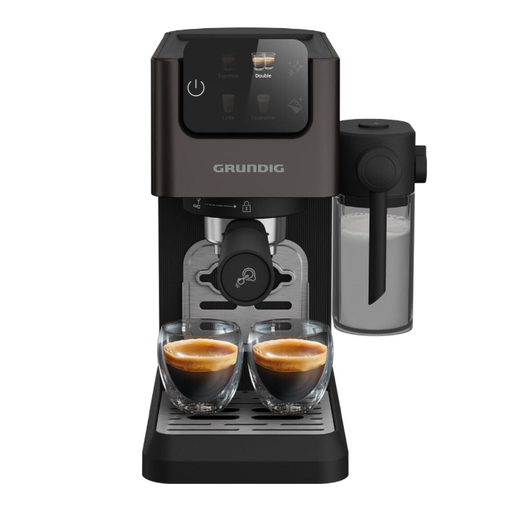
An option if you want automatic milk frothing but prefer to fill the portafilter with coffee yourself.
The product name lists 1628 W, 20 bar pump pressure, a double spout and a touchscreen.
 No image available
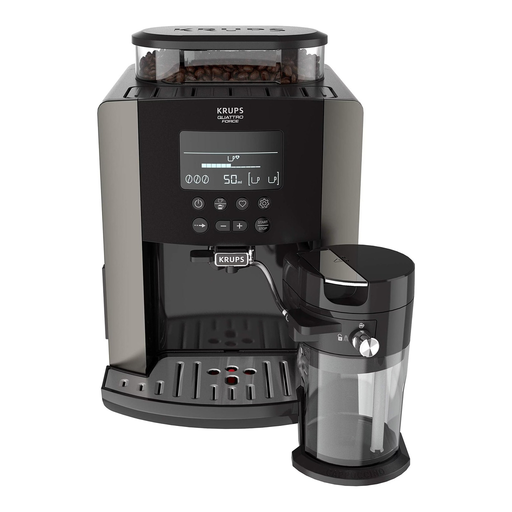
If you want to make cappuccino using automatic milk and drinks programmes, this bean-to-cup machine could be an option.
The product description lists 15 bar and an LCD display. The milk system should be cleaned after every use.
 No image available
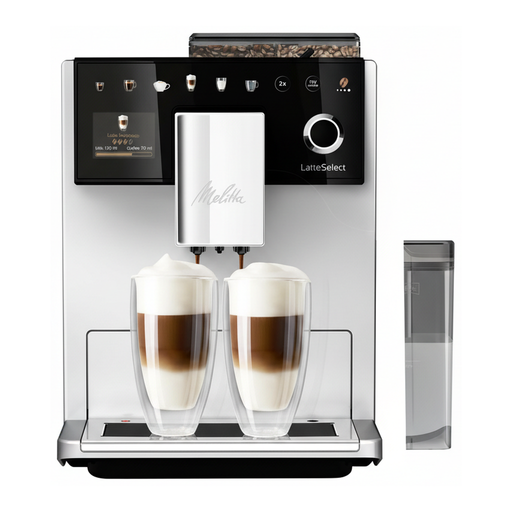
If you want to make cappuccino at the touch of a button, the product description lists automatic grinding, brewing and milk frothing.
Remember to clean the milk system regularly.
 No image available
A possible choice if you want to make cappuccino with automatically frothed milk.
The two-cup function is listed for espresso; it doesn’t mean the machine can make two cappuccinos at once.
 No image available
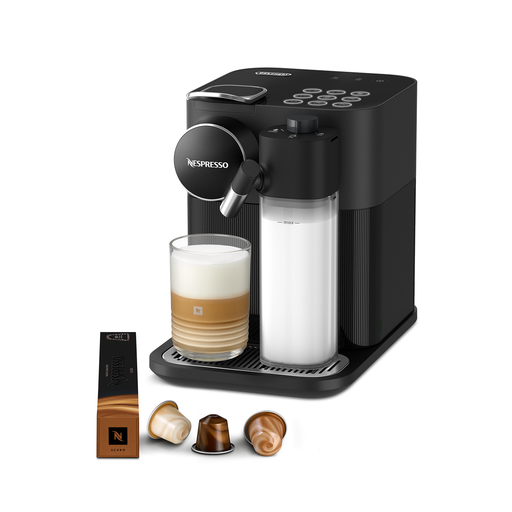
If you want to make the occasional cappuccino with minimal hands-on milk preparation, this capsule machine could be worth considering.
It uses Nespresso Original capsules for coffee; remember to run a milk rinse after making milk-based drinks.
Check whether there’s power, water, space for the machine and somewhere to keep the milk chilled at the venue. The German Federal Institute for Risk Assessment points out that inadequate refrigeration during transport and storage can allow harmful germs to multiply. Exactly what you need to arrange will depend on the venue.
Yes. Follow the care instructions for your particular model. Philips describes LatteGo on the EP3347/90 as a two-part system with no tubing; the automatic steam wand on the Sage Creatista Plus is a different design. An automatic function doesn’t replace hygienic milk handling or keeping milk properly chilled.
Depending on the machine, you’ll need beans or capsules, as well as cleaning products; ongoing costs depend on the model and how often you use it. If something goes wrong, the Verbraucherzentrale distinguishes between your statutory consumer rights and a voluntary guarantee.
For mains-powered espresso machines placed on the market in Germany and designed for 50 to 1,000 V AC, the EU Low Voltage Directive 2014/35/EU applies, including its requirements for CE marking. Check the marking on the specific machine or product listing; it isn’t an independent quality assessment.