
Lieferung heute & morgen

Qualitätsgarantie

Willkommens-Angebote freischalten: KOSTENLOSE Lieferung | Bis zu 80 % RABATT | Kostenlose 30-Tage-JoyPlus-Testphase
App herunterladen
A capsule coffee machine is quick to set up, compact and easy to use. Even so, choosing the wrong model can lead to unnecessary costs or limitations in everyday use. The key consideration is not just the stated pump pressure or an attractive casing, but whether the capsule system suits your drinking habits, available space and cleaning routine.
A Nespresso capsule machine generally works with either Nespresso Original or Nespresso Vertuo. These systems are not interchangeable. A Dolce Gusto capsule machine requires Dolce Gusto capsules, while a Senseo coffee pod machine uses pods.
Before buying, you should check:
The term capsule machine with 19 bar refers to the maximum pump pressure. On its own, it does not indicate how good a cup of coffee will taste. In practical use, the capsule technology, amount of water, temperature control and pre-set dispensing volume are also important.
A capsule espresso machine with 19 bar may be designed for espresso and lungo, while another system prepares larger cups or milk-based drinks. The pressure rating should therefore be viewed as one technical specification among several.
A capsule machine with milk frother can prepare cappuccino, latte macchiato or flat white at the touch of a button. However, with an integrated milk system, the milk container, tubes and outlets need to be rinsed regularly. A separate milk frother is easier to replace, but requires additional space and involves an extra step.
Compact Nespresso Original machines are ideal for classic espresso and lungo. According to the product information, the Nespresso Vertuo Pop offers espresso, double espresso, gran lungo and mug sizes in several cup sizes. If you want to prepare coffee, cappuccino, latte, tea or cocoa, however, a Dolce Gusto capsule machine offers a broader range of drinks.
A Senseo coffee pod machine uses pods and, depending on the model, can brew one or two cups at the same time. The brewing pressure of the Senseo models mentioned is 1 bar. This figure cannot be directly compared with the pump pressure of a capsule espresso machine, as the two systems work differently.
For small kitchens, offices or single-person households, the footprint matters. At approximately 11 × 20.5 × 32.5 cm, the Nespresso Essenza Mini is particularly narrow. The Nespresso Inissia measures approximately 12 × 23 × 32 cm and has a 0.7-litre water tank.
As well as width and depth, pay attention to:
A small tank saves space but needs to be refilled more often. For several people or frequent drinks throughout the day, a tank of around 1 litre or more is more practical.
Many models are ready to use after 18 to 30 seconds. According to the product data, the Gran Lattissima takes around 18 seconds for coffee; milk drinks may require additional time. Around 25 seconds is stated for the Inissia and Essenza Mini.
Programmable buttons for espresso and lungo make everyday use easier. For milk-based drinks, you should also check whether the machine has an automatic rinsing function and which parts are dishwasher-safe.
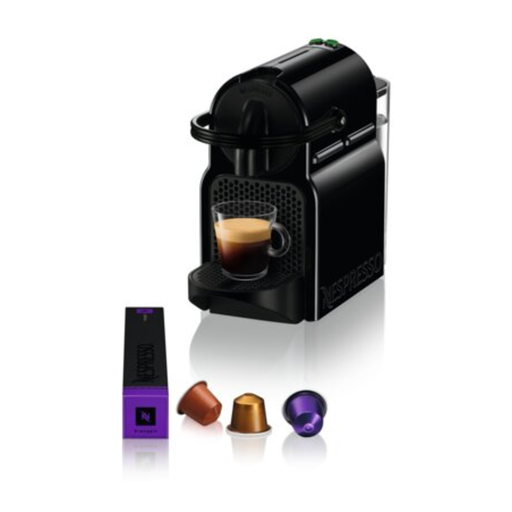
Why this product suits this profile: Automatic capsule ejection, two programmable buttons and a heat-up time of around 25 seconds reduce operation to just a few steps.
The clearly specified Nespresso Original system prevents you from accidentally buying Vertuo capsules that are not compatible.
0.7-litre water tank, automatic switch-off and compact dimensions of approximately 12 × 23 × 32 cm.
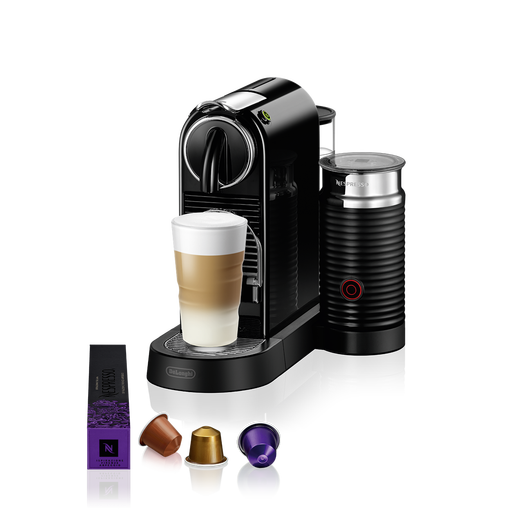
Why this product suits this profile: This model combines espresso and lungo buttons with a separate Aeroccino milk frother for hot or cold milk drinks.
The milk frother is separate from the coffee brewing system. This keeps the capsule system straightforward, while the milk components can be cleaned separately.
19-bar pump, heat-up time of around 25 seconds, 1-litre water tank and folding drip tray.
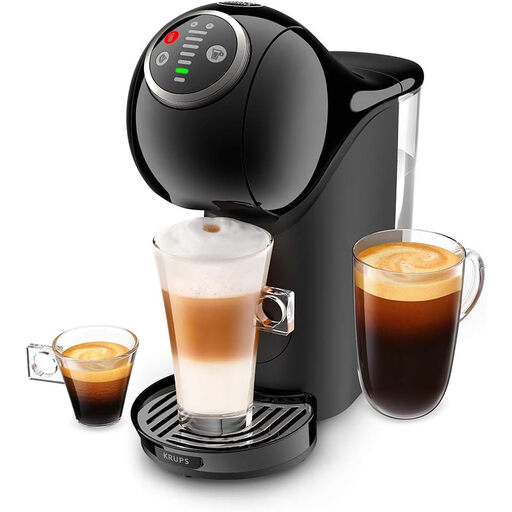
Why this product suits this profile: The machine is designed for a range of hot and cold drinks, with adjustable strength, temperature and drink volume.
Compatibility with Dolce Gusto capsules is clearly stated. This allows you to check the system against your preferred capsule range before buying.
0.8-litre water tank, 15-bar pump, thermoblock heating and automatic switch-off after a period of inactivity.
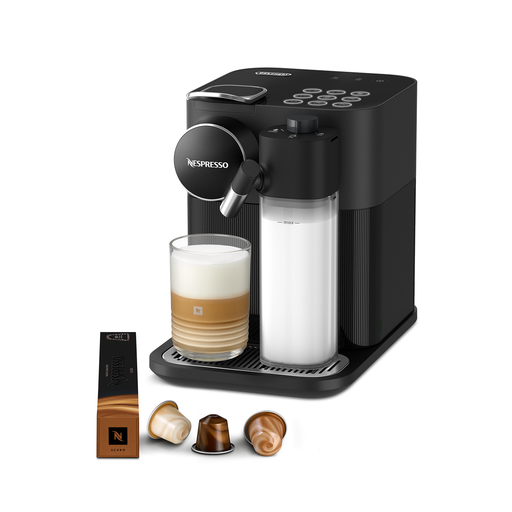
Why this product suits this profile: The one-touch function is designed for ristretto, espresso, lungo, cappuccino, latte macchiato and flat white.
The milk system has a removable container and dedicated rinsing cycles. This makes the additional cleaning required clear and easier to plan.
1.3-litre water tank, 0.5-litre milk container, 19-bar pump and dishwasher-safe milk components according to the product information.
We have put together a complete, regularly updated list of products that fully meet these strict selection criteria and the safety regulations applicable in the EU.
Use only the capsule or pod format specified for the relevant system. The water tank should be filled with fresh water and cleaned regularly. Descale the machine according to the operating instructions and depending on the hardness of your water and how frequently you use it.
With milk systems, rinsing after every milk-based drink is particularly important. Hot outlets, steam and freshly brewed drinks can cause burns. Place the appliance on a stable, dry surface and disconnect it from the mains before cleaning.
When planning costs, consider more than just the purchase price and electricity consumption. Also factor in the price per capsule, the required drink volume and how often you make drinks each day. Depending on the supplier, aluminium capsules may be disposed of through take-back points or local collection schemes; follow the relevant guidance from the manufacturer and your local authority.
Many compact models are ready after around 18 to 30 seconds. The exact time depends on the heating system and type of drink. Milk-based drinks may require additional time.
Its lifespan depends on usage, water quality, descaling and cleaning. Regular care in accordance with the operating instructions can help reduce build-up. It is not possible to give a general service life for all models.
Ongoing costs consist of capsules or pods, electricity and descaling products. Single portions are convenient, but can cost more per cup than ground coffee. For this reason, compare the price per drink rather than just the purchase price.