What should you look for?
First, work out how the camera’s video will reach your computer. Then decide whether to route the audio through the capture card or separately. Finally, check which audio sources are active and record a test to make sure the sound is in sync.
| Buying priority |
What to check before buying |
Who should pay particular attention? |
| Connecting instruments and vocals |
Check whether you need an analogue line input, HDMI audio or a separate audio source; make sure the connection type and levels are suitable for your existing audio equipment. |
If you want to combine vocals and instruments with the camera feed, choosing the right signal path is essential; around 33% of consumers prioritise this audio requirement. |
| Capturing camera video |
Check the camera’s HDMI output against the input and recording formats supported by the specific model. |
If your main aim is to bring video from an HDMI camera into your stream, first check how it will connect to your computer; around 27% of consumers prioritise this video requirement. |
| Saving space and avoiding extra devices |
Check whether an existing webcam will do, which ports are free on your computer and whether the audio setup needs additional hardware. |
If you want to keep the number of devices on a small desk to a minimum, consider the whole setup, including audio accessories; around 20% of consumers are particularly keen to avoid extra equipment. |
| Syncing video and audio |
Check which audio sources are active, make sure audio isn’t being captured twice, and test the levels in a recording. |
If you’re combining separate video and audio sources, test your setup before going live; around 20% of consumers put syncing audio and video first. |
Joybuy products for HDMI camera streaming
The product options below are for HDMI video capture when streaming with a camera. Before buying, check that the listed connections and recording formats suit your own audio and video signal path.
 No image available
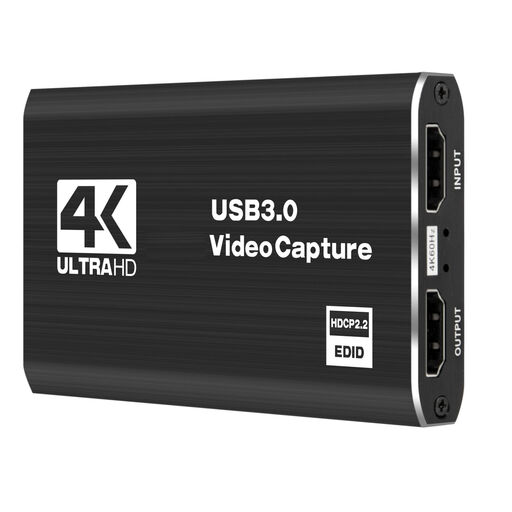
4K video capture card, USB 3.0, 5 ports
For a setup that brings video from an HDMI camera into a live stream; check that it’s compatible with your camera’s exact output.
Listed in the product name: USB 3.0 and five ports.
View at Joybuy
 No image available
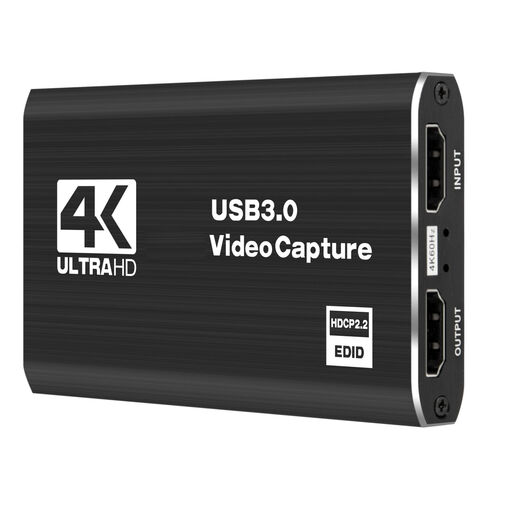
4K video capture card, 5 ports
For an HDMI camera stream where a capture card sends the video to your computer; check that your camera’s formats are supported.
Listed in the product name: five ports.
View at Joybuy
 No image available
4K video capture card, USB 3.0, audio capture, 5 ports
For a camera stream where audio capture is also listed as a feature; check which of your audio sources can be connected through the specific ports.
Listed in the product name: USB 3.0, audio capture and five ports.
View at Joybuy
 No image available
VIELLAN 4K HDMI Video Capture Card, USB 3.0
For an HDMI camera stream where recording at up to 1080p and 4K passthrough suit your planned signal path.
Listed in the product name: recording up to 1080p, 4K HDMI passthrough, microphone input and headphone output.
View at Joybuy
 No image available
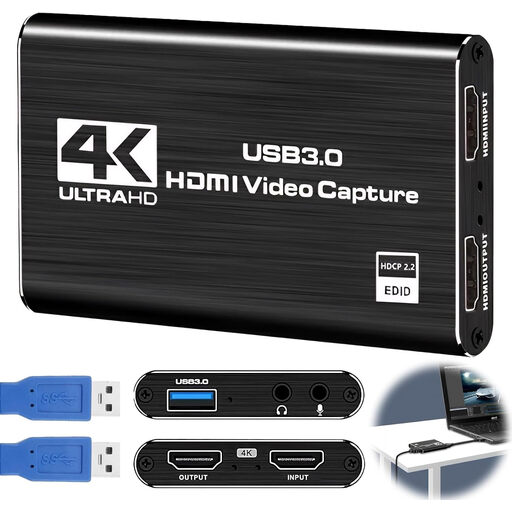
VIELLAN HDMI Video Capture Card, USB 3.0
For an HDMI stream where recording at up to 1080p and the listed audio connections suit your setup.
Listed in the product name: recording up to 1080p, 4K HDMI passthrough, UVC and UAC support, microphone input and headphone output.
View at Joybuy
Frequently asked questions
How do I set up my camera and instrument audio in OBS?
Select the capture card as your video capture source. If your audio follows a separate path, select the input device you want as your audio source. OBS Studio warns that selecting the same device as a global audio source as well can cause echo. Check the levels and results with a test recording.
Why isn’t my capture card showing video from the HDMI source?
First, check that the camera’s output format is compatible with the capture card. The Cam Link 4K also requires an unencrypted HDMI signal; according to Elgato, it won’t display an HDCP-protected signal. This device-specific limitation isn’t guidance on bypassing copy protection.
What should I know about returns and faulty goods when shopping online?
The Verbraucherzentrale states that online orders generally come with a 14-day cancellation period starting from the day you receive the goods. Your rights if goods are faulty are separate from this. Check the retailer’s specific returns terms and the legal rules that apply to your situation.
Can I simply stream cover versions or other music live in Germany?
There’s no blanket permission: the works and recordings you use, the platform, whether access is paid and whether the content is later made available on demand can all be relevant. GEMA explains that different conditions apply to platform uploads and paid livestreams. Before publishing, check the rights for your specific repertoire and publishing arrangement.


