
Lieferung heute & morgen

Qualitätsgarantie

Willkommens-Angebote freischalten: KOSTENLOSE Lieferung | Bis zu 80 % RABATT | Kostenlose 30-Tage-JoyPlus-Testphase
App herunterladen
When you buy car accessories, you’re usually trying to solve a specific problem: a weak battery, a lack of smartphone connectivity, cluttered storage, or better documentation of what’s happening on the road. The choice is vast, but product names and marketing promises don’t always make comparison easy. What really matters are the technical specifications, genuine vehicle compatibility, and safe usage.
With a jump starter power bank, high amp figures can look impressive at first glance. However, you also need to consider the permitted battery voltage, engine type, and maximum engine capacity. A device designed for 12-volt vehicles isn’t automatically suitable for 24-volt lorries. Likewise, the stated power output must match the size of your petrol or diesel engine.
A car stereo, an Apple CarPlay adapter, or an Android Auto adapter all require certain conditions. With a 2-DIN radio, the installation slot must be the right size. An adapter will usually only work if your vehicle already has factory-fitted wired Apple CarPlay or Android Auto. Some car brands or aftermarket radios may be excluded.
A dash cam with parking monitoring often needs a separate hardwire kit, depending on the model. Memory cards typically have minimum requirements such as U3 and Class 10. With LED headlights, you also need to check the design, connector type, approval status, and vehicle-specific fit. A part that looks like it fits isn’t automatically suitable for road use or your particular vehicle.
With a car battery charger, voltage and battery technology are the first things to consider. A 12-volt charger is designed for many cars and motorcycles, while 24-volt systems are found in certain commercial vehicles. The charger must also match the battery type, such as AGM, GEL, EFB, wet, or SLA batteries.
A model like the EAFC 12V 6A is, according to the product details, designed for lead-acid batteries with a capacity of 4 to 100 Ah. Stated protection features such as reverse polarity, short circuit, overheat, and overvoltage protection are useful selection criteria. The battery capacity in Ah should be checked against the data sheet before purchase.
With a car jump starter, at least these points need to match:
The stated amp figures are manufacturer data and should not be looked at in isolation. A device might be designed for large engines but still not be suitable for a 24-volt system.
With a car stereo, your checklist should include the slot size, installation depth, ISO connector, steering wheel remote control, and, if necessary, a vehicle-specific installation frame. The Junsun 8163 Series 2DIN has a 7-inch display and is designed for a standard 2-DIN slot. Depending on your vehicle, an adapter cable or a suitable fascia may be required.
For an Apple CarPlay adapter or Android Auto adapter, the starting point is even more important: the OTTOCAST Mini Dongle requires factory-fitted wired CarPlay or Android Auto and, according to the product details, is not intended for BMW, Tesla, or aftermarket head units.
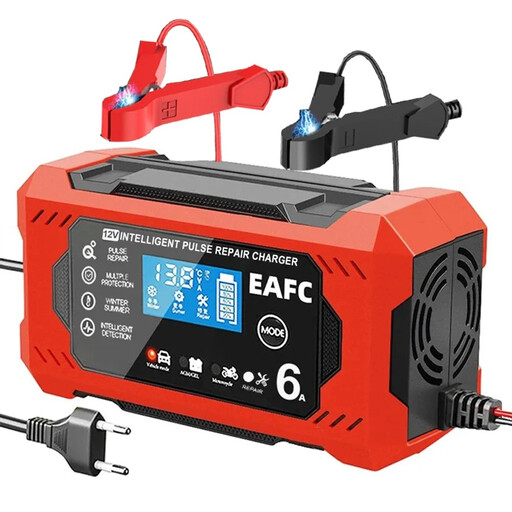
Why this product fits the profile: For car or motorcycle owners looking for a compact charger suitable for compatible 12-volt lead-acid batteries.
The specifications clearly state the 12-volt range and a battery capacity of 4 to 100 Ah. This makes it easy to check compatibility before purchase.
LCD display, automatic charging function, and protection against reverse polarity, short circuit, and overheating.
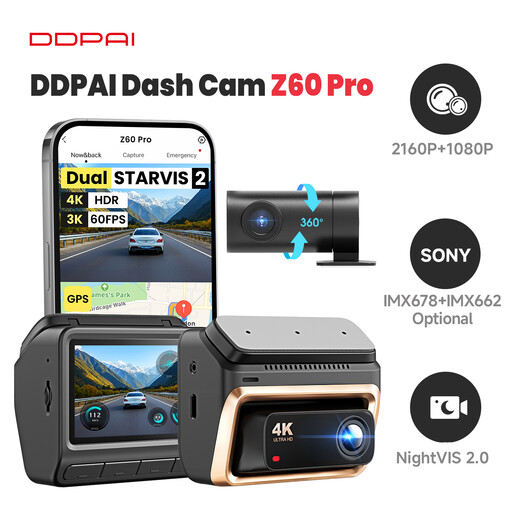
Why this product fits the profile: For frequent drivers who want front and rear recording, GPS, and an app connection all in one system.
The storage requirements and additional costs remain clear: a MicroSD card and the hardwire kit for parking monitoring need to be considered separately.
Front recording up to 4K, rear camera support, 5 GHz Wi-Fi, GPS, and a 3-inch IPS display.
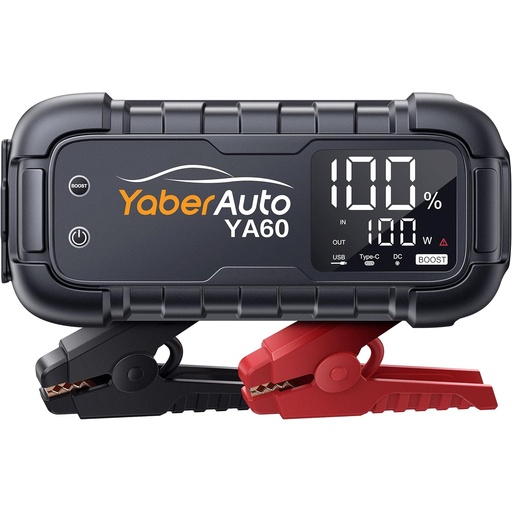
Why this product fits the profile: For camping, travel, and vehicles with larger engine capacities, provided the manufacturer’s technical specifications match your vehicle.
The specifications mention 12-volt vehicles, engine limits, and a recommended cooling pause between start attempts. This makes realistic planning easier.
8000 A peak current, 65-watt USB-C charging, 150-watt DC output, and an LED light with multiple modes.

Why this product fits the profile: For families and commuters who want to keep smaller items organised and within easy reach in the back seat.
The flexible mesh and tool-free installation make usage straightforward. However, you should still check the shape of your headrests before buying.
Ventilated mesh material, stretchable pocket, and space for toys, books, tablets, snacks, or water bottles.
We’ve put together a full, regularly updated list of products that fully meet these strict selection criteria and the safety regulations in force in the EU.
For many drivers, a suitable car jump starter, a warning triangle, a hi-vis vest, and a torch are sensible items. On longer journeys, a charging cable, a small car organiser, and, depending on your vehicle, a suitable car battery charger can also be useful. The legally required equipment should always be present, regardless of any additional accessories.
The lifespan depends on storage, charging intervals, and temperature. If not used for a long time, the device should be recharged regularly according to the manufacturer’s instructions, typically every three to six months. Extreme heat inside a parked car can put strain on lithium-ion batteries. Damaged, swollen, or leaking devices must not be used.
The ongoing costs mainly consist of power consumption, the memory card, and any necessary accessories. 24-hour parking monitoring may require a separate hardwire kit and can drain your vehicle’s battery if the voltage cut-off isn’t set up correctly. When choosing a dash cam, you should therefore consider the memory card format, recording capacity, and installation costs alongside the purchase price.