
Lieferung heute & morgen

Qualitätsgarantie

Willkommens-Angebote freischalten: KOSTENLOSE Lieferung | Bis zu 80 % RABATT | Kostenlose 30-Tage-JoyPlus-Testphase
App herunterladen
A car battery charger should reliably charge a vehicle battery, maintain its charge during long periods of inactivity, or give a weak battery a boost when needed. In practice, however, poor purchases are often not down to price, but to unsuitable technical specifications.
Typical pitfalls include:
First, check the nominal voltage of your battery. For many cars, motorcycles, motorhomes and smaller boats, a 12V battery charger is sufficient. For commercial vehicles or certain lorries, a 24V unit may be required. Models with a switchable 12V/24V function offer more flexibility, but must be set correctly.
Equally important is the battery type. Look for an explicit mention of:
A battery charger for AGM GEL LiFePO4 should have separate charging programmes or a clear selection option for each battery type. The term "intelligent" alone is not a technical guarantee.
The charging current is given in amps. A unit with 5A or 6A is often suitable for motorcycle batteries, smaller car batteries and maintenance charging. 10A to 15A is practical for many car batteries. A 20A charger can work faster with suitable 12V or 24V batteries, but requires careful matching with the capacity.
Always check the specified Ah range. A product may support 12V, but could still be unsuitable for a very small battery. With a unit offering 12V/10A and 24V/5A, designed for batteries from 2Ah to 150Ah, these values must match your own battery exactly.
A fully automatic charger should monitor the charging process and switch to a maintenance mode once charging is complete. For use in the UK, clear information on input voltage, connections, operating instructions and safety features is also important.
Useful features include:
A pulse repair charger can, according to the product description, assist in certain cases of sulphation or low voltage. However, recovery is not guaranteed for a fully discharged, damaged or internally defective battery. The repair function should therefore not be seen as a substitute for a battery diagnosis.
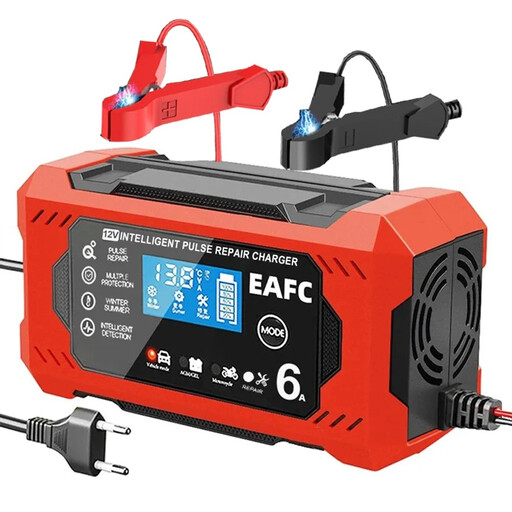
Why this product fits the profile: This 12V unit is designed for lead-acid, AGM, GEL, SLA, WET and EFB batteries from 4Ah to 100Ah, making it suitable for many car and motorcycle applications.
The specifications for voltage, battery types and capacity range make selection clearer than a purely promotional "universal" label.
Microprocessor control, LCD display, pulse function, plus protection against reverse polarity, overheating and short circuits.
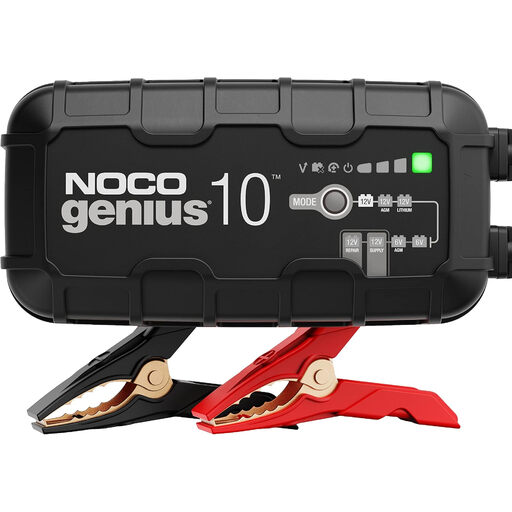
Why this product fits the profile: This model supports 6V and 12V, AGM, GEL, EFB, lead-acid and LiFePO4 batteries, and is designed for cars, motorcycles, vans, motorhomes and tractors.
The selection between 6V, 12V and various battery types reduces the risk of using an unsuitable charging programme.
10A charging current, integrated temperature sensor and maintenance function for longer periods of inactivity.
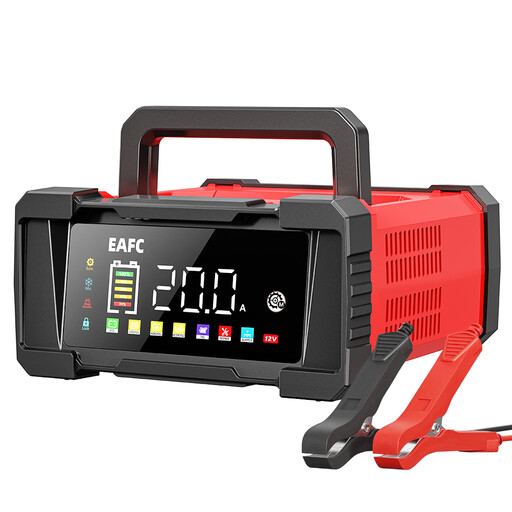
Why this product fits the profile: This compact unit offers seven modes for 12V and 24V batteries and is aimed at owners of cars, lorries, motorcycles, lawnmowers, boats and motorhomes.
Switching between STD, LiFePO4, AGM/GEL, Motorcycle, Repair and Supply prevents reliance on a single generic automatic programme.
20A at 12V, 10A at 24V, 2-metre cable, colour display and multiple safety features.
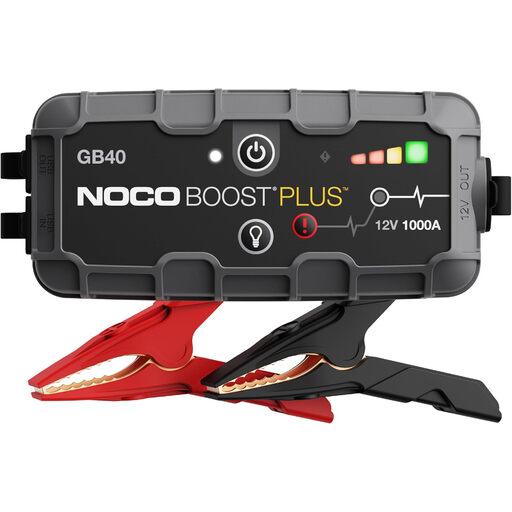
Why this product fits the profile: As a portable jump starter, it is designed for 12V vehicles with petrol engines up to 6.0 litres and diesel engines up to 3.0 litres.
The stated 12V compatibility clearly defines its use compared to 24V vehicles. It is used as a jump starter, not as a permanent charger.
1000A peak current, integrated power bank, LED light and protection against sparks and incorrect polarity.
We have compiled a complete, regularly updated list of products that fully meet these strict selection criteria and the safety regulations in force in the EU.
The charging time depends mainly on the battery capacity, state of charge and charging current. A 60Ah battery will take significantly longer to charge with 6A than with 10A. Charging losses and the final charging phase just before full charge extend the actual duration. The specifications of the charger and battery are decisive.
Only if the model is expressly designed for maintenance charging and long-term connection. A fully automatic charger monitors the state of charge and reduces the charging current after charging. With simple chargers that lack monitoring, the battery should not be left connected permanently unattended.
A charger delivers energy to the battery in a controlled manner and can, depending on the model, maintain it or assist with a repair programme. A jump starter provides a high current for a short burst to start the engine. It does not fully recharge a flat battery. For long-term battery care, you therefore need a suitable charger.