
Lieferung heute & morgen

Qualitätsgarantie

Willkommens-Angebote freischalten: KOSTENLOSE Lieferung | Bis zu 80 % RABATT | Kostenlose 30-Tage-JoyPlus-Testphase
App herunterladen
Car care products need to suit not only your vehicle but also how you plan to use them. If you regularly get hands-on, you'll need different solutions than someone who only gives their car a quick wash occasionally. All too often, unclear material specifications, exaggerated performance claims or unsuitable accessories lead to unnecessary spending.
This guide shows what car owners, DIY vehicle enthusiasts and professional detailers should look for when buying.
A comprehensive car cleaning set may look practical at first glance. What really matters, however, is whether the tools included are suitable for the intended use. A cloth for cleaning windows, for example, shouldn't be used on paintwork that's covered in coarse dirt. Otherwise, particles can be dragged across the surface.
Before buying, it's worth checking:
With a car wash brush, a car window squeegee or polishing pads, the result doesn't depend solely on the material. Sand, brake dust and dried-on residues must be thoroughly rinsed off before any mechanical cleaning. Even a soft chenille or silicone material can leave marks if used incorrectly.
What matters is clean tools, plenty of liquid and light pressure. Dry surfaces should never be squeegeed or treated with a clay bar.
Car wax and paint sealant can make maintenance easier, but how long they last depends on your washing routine, the weather, how you use the vehicle and how well the paintwork was prepared. A manufacturer's claim should not, therefore, be taken as a guaranteed protection period.
Before applying, the paintwork should be:
For glass, rubber or silicone lips and lint-free microfibre cloths are the sensible choice. With car leather care, you need to distinguish between smooth leather, suede, nubuck, plastic and vinyl. A product that the supplier says is suitable for smooth and grained leather shouldn't automatically be used on all interior materials.
With polishing sponges, it's the combination of hardness grade, foam structure and suitable polish that counts. Hard pads are better for more aggressive material removal, while soft polishing pads are for finishing and gloss work. The manufacturer's maximum speed recommendations must be followed.
A car foam sprayer with a 1.5-litre tank is fine for smaller to medium cleaning jobs, whereas a pressure washer attachment or a spray solution with a long hose can cover larger areas. When buying, you should check:
A 15-metre hose can be useful for cleaning roofs, wheel arches and larger vehicles. In a small garage, however, it can take up unnecessary space.
Wash brushes, squeegees and polishing pads should be cleaned with clean water after every use and dried completely. With a clay bar: if it falls on the floor and picks up visible particles, it shouldn't be used on the paintwork again. Polishing pads can be washed on many models, but must be free of polish residue and dust before their next use.
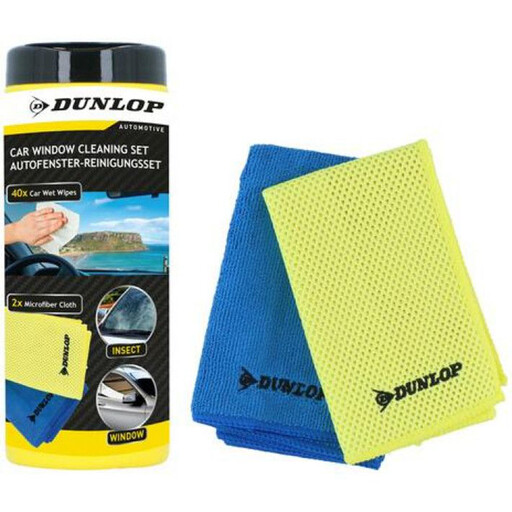
Why this product suits the profile: The 3-piece set combines a cloth, squeegee and cleaning pad for cleaning windows and mirrors inside and out.
The contents are clearly stated, so you don't have to put together the three basic steps from individual products.
Compact set; microfibre cloth, squeegee and pad are designed for glass and mirrors.
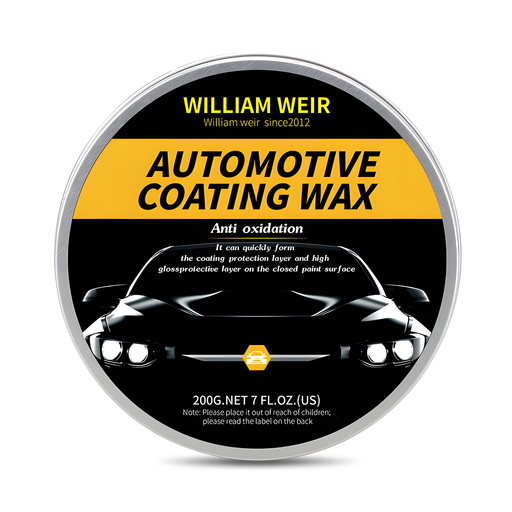
Why this product suits the profile: According to the product description, the paste contains carnauba wax and comes with an applicator pad and microfibre cloth.
Preparation and prompt buffing of the dried wax layer are explicitly mentioned. This reduces typical application errors.
200ml container; accessories for application and removal included; specific durability claims should be understood as manufacturer information.
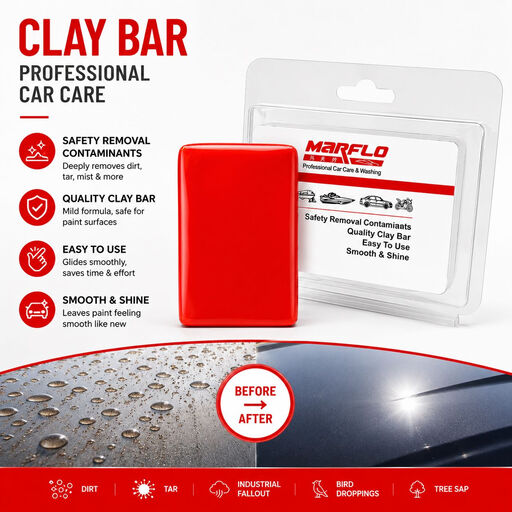
Why this product suits the profile: The fine clay bar is designed for preparation before wax, sealant or polish, and can be used multiple times with proper care.
The instructions to use with water or lubricant, and the warning against dry application, make the necessary preparation clear.
Fine grade; suitable for paint, glass, chrome, mirrors and headlights; reusable when stored cleanly.

Why this product suits the profile: The battery-powered car foam sprayer is designed for mobile vehicle washing without manual pumping.
Tank size, USB charging and adjustable nozzle are all clearly specified. The nozzle and filter can be cleaned if blocked.
1.5-litre tank; one-button operation with safety lock; spray pattern adjustable between mist, jet and foam.
We've put together a complete, regularly updated list of products that fully meet these strict selection criteria and the safety regulations in force in the EU.
A sensible car wash begins with rinsing off loose particles. Shampoo and washing tools come next. For drying, a car window squeegee or silicone squeegee should only be used on wet, clean surfaces. Car glass cleaner and a microfibre cloth are ideally kept separate from paint care accessories.
For more intensive paint care, this order works well:
To get started, a suitable car shampoo, a clean washing tool, several microfibre cloths and a product for cleaning windows are enough. A car cleaning set can be practical if its contents match the jobs you need to do. For paint protection, you'll also need car wax or a paint sealant.
That depends on the product's specifications, the weather, how often you wash and how you use the vehicle. What matters isn't blanket advertising claims, but the visible condition of the surface and the instructions on the packaging or product page. Before every reapplication, the paintwork must be clean and free of residue.
A pressure washer attachment can make rinsing off loose dirt easier. However, it doesn't replace hand washing and should be used with sufficient distance and the right pressure. Extra care is needed with sensitive seals, films and already damaged paintwork.