
Lieferung heute & morgen

Qualitätsgarantie

Willkommens-Angebote freischalten: KOSTENLOSE Lieferung | Bis zu 80 % RABATT | Kostenlose 30-Tage-JoyPlus-Testphase
App herunterladen
Clean alloy wheels, dust-free air vents and well-maintained upholstery don't necessarily require lots of individual products. What matters is that your car cleaning accessories suit the surface, the level of soiling and how you plan to use them. A soft car wash brush serves a different purpose to a wheel cleaning brush, an upholstery cleaner or a pressure washer for the car.
A brush advertised as a scratch-free cleaning brush can still leave fine marks if used incorrectly. The cause is often grains of sand, small stones or dried-on dirt particles trapped in the bristles. Even soft chenille fibres won't provide reliable protection if you don't rinse the vehicle and brush head thoroughly before washing.
So look out for:
With electric cleaning brushes or pressure washers, wattage, revolutions per minute and maximum pressure may seem impressive at first. In practice, though, what really counts is cable length, battery life, weight, water delivery, attachments and storage.
High pressure isn't automatically suitable for every vehicle surface. Seals, wraps, delicate paint areas and electrical components should be cleaned at a distance and with the right setting. With a car pressure washer, remember: keeping a short distance from the surface and using a hard water jet isn't sensible for every job.
A large set can be useful if you'll actually use the included attachments regularly. For a household with pets, for example, a carpet cleaner and an upholstery cleaner are often more practical than several specialist brushes that never get used. For a quick interior tidy-up, on the other hand, a car detailing brush, a microfibre cloth and a suitable cleaner are usually enough.
For paintwork, plastic, glass and delicate trim surfaces, soft fibres or textile covers are the sensible choice. A car cleaning brush with flexible bristles can reach air vents, crevices and dashboard controls without leaving hard marks when used carefully.
Stiff bristles are better suited to tough areas such as tyre treads, rubber mats or heavily soiled alloy wheels. The material description given in the product details should be clear and accurate. With a wire brush – for example, one with a stainless steel or copper coating – extra caution is needed: such brushes are not intended for painted body panels or sensitive plastic surfaces.
An adjustable pole makes it easier to clean the roof, windscreen and larger vehicles. A sturdy locking mechanism and controlled length adjustment are important. If you over-extend a telescopic pole or move it with too much force, it can bend or become damaged.
An angled handle keeps the brush head closer to the vehicle's surface. This can improve handling and reduce unnecessary bending. A pivoting head helps with vehicle contours, but it doesn't replace careful cleaning in several directions.
With electrical devices, check whether the battery, charger and mains plug are suitable for use in the UK. A UK plug is practical; with USB-C charging, you may need a separate mains adapter. Water resistance doesn't mean you can submerge the device indefinitely. Always follow the safety instructions for the specific product.
After use, brushes should be rinsed out and dried completely. For devices with a tank: empty the dirty water, rinse the container and maintain the filter according to the instructions. This reduces odours and helps ensure consistent performance.
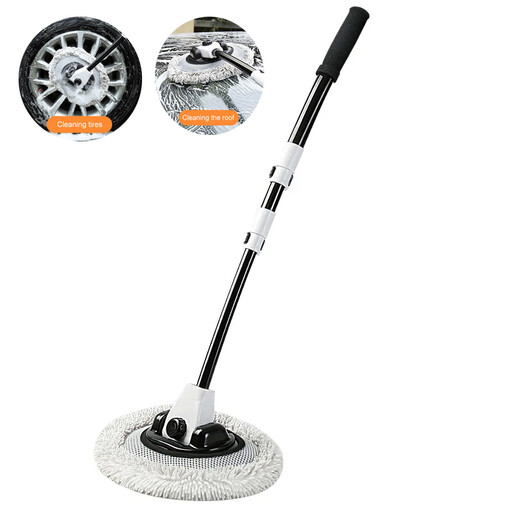
Why this product suits the profile: This car wash mop is designed for regular exterior washing and features an adjustable aluminium pole with three sections. The 15° handle and 90° adjustable brush head make it easier to reach larger areas.
The removable chenille head can be rinsed and dried after washing. Sand and dirt should still be removed before each use.
Soft chenille cover, length-adjustable handle and quick-release mechanism on the brush head.
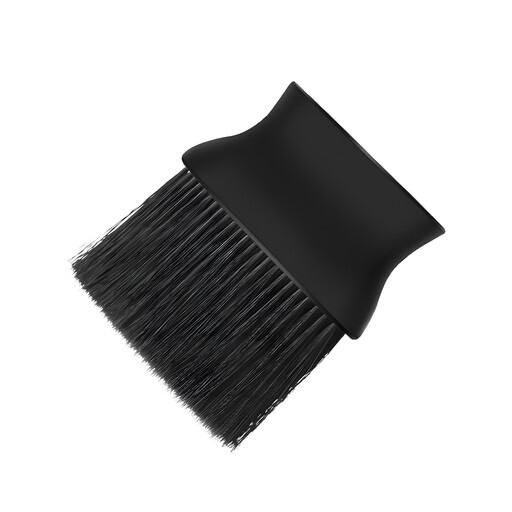
Why this product suits the profile: This compact car detailing brush is designed for air vents, centre console, dashboard and narrow gaps. It can also be used around the home.
The flexible fibre bristles contain no metal parts. Before use, they must be free of sand and hard particles.
Compact size of 12.3 × 11 × 10 cm and handle with non-slip grooves.

Why this product suits the profile: This electric cleaning brush is intended for repeated cleaning tasks on tiles, grout, vehicle exterior surfaces and other robust surfaces.
Two speed settings at 300 and 400 rpm allow you to adapt to the task. On sensitive vehicle surfaces, first test carefully in an inconspicuous area.
Four-section extendable handle, nine interchangeable heads and a stated battery capacity of 2,600 mAh.

Why this product suits the profile: This portable upholstery and carpet cleaner is designed for car seats, sofas, mattresses, carpets and other textile surfaces where hair or stains can build up.
The 3-in-1 system combines spraying, brushing and suction. The clean water tank holds 1.5 l, the dirty water tank 0.8 l; the maximum fill line must be observed.
Stated suction power of 15 kPa, a 1.3 m hose and two brush attachments.
For exterior washing, start with clean water, then use a suitable car shampoo and a soft car wash brush or car wash mop. Alloy wheels should be cleaned with a separate tool so that brake dust doesn't transfer to the paintwork.
Inside the car, use an interior cleaning brush on air vents and seams. Textile seats and carpets should be treated with a suitable upholstery or carpet cleaner. Always check the material's care instructions first and test the product on an inconspicuous area.
We've put together a full, regularly updated list of products that fully meet these strict selection criteria and the safety regulations in force in the UK.
For paintwork, soft textile covers or flexible fibre bristles are best. Both the brush and the vehicle should be freed of sand and coarse dirt before use. Stiff or metallic bristles should never be used on painted surfaces.
The lifespan depends on the material, frequency of use, pressure and care. Rinse the brush head after every use, let it dry completely and store it in a dry place. Frayed, hardened or visibly soiled bristles should be replaced.
With battery-powered devices, the main cost is the electricity for charging. With a carpet or upholstery cleaner, you also need to factor in water and possibly cleaning solution. The actual cost depends on the charging power, how long you use it, the tank capacity and the product you use. The manufacturer's specifications for power and run time provide a realistic basis for estimation.