
Lieferung heute & morgen

Qualitätsgarantie

Willkommens-Angebote freischalten: KOSTENLOSE Lieferung | Bis zu 80 % RABATT | Kostenlose 30-Tage-JoyPlus-Testphase
App herunterladen
A clean car is not just a matter of aesthetics; it's also about preserving its value. However, the market for car care products is overwhelming and full of promises that often go unkept. Before you invest in a new car cleaning kit, it's crucial to understand the common pitfalls that lead to disappointment and unnecessary expenses. As your Joybuy Product Recommendation Officer, I'll help you make informed decisions and find the right tools for your needs.
Many well-intentioned purchases end up as unused accessories in the garage. This is often due to exaggerated marketing claims or poorly designed product features.
To avoid a bad purchase, you should focus on a few, but decisive, technical specifications. These determine whether a product is genuinely useful in everyday life.
Suction power, indicated in Pascals (Pa), is a key indicator of a vacuum's effectiveness. For the typical challenges in a car—like sand in the floor mats, pet hair on the seats, or crumbs in crevices—consistently high suction power is essential.
A cordless device is only as good as its battery. Pay attention to the capacity, specified in milliampere-hours (mAh), and the resulting runtime.
The included attachments determine how versatile a cleaning tool can be. Instead of a confusing quantity, a few well-designed accessories are what count. For an electric brush, the bristles must be tough enough for dirt but gentle enough for sensitive surfaces like paint or upholstery. For a vacuum cleaner, a crevice tool for tight spaces and a brush nozzle for upholstery are indispensable.
Instead of making a one-size-fits-all recommendation, we have identified products that meet specific needs and avoid the pitfalls mentioned above.
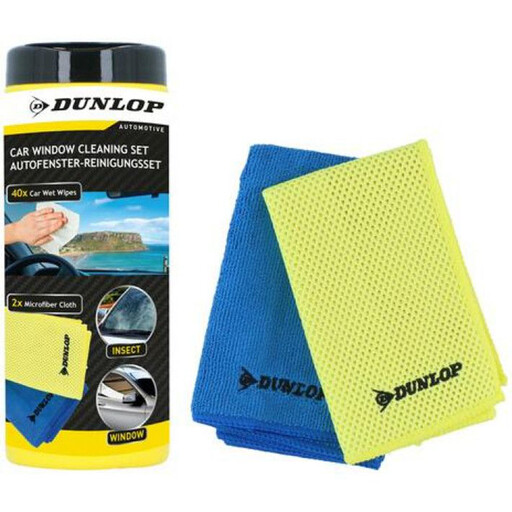
Why This Fits Their Persona: Ideal for drivers who want a simple, effective solution for one of the most crucial tasks: streak-free window cleaning. This kit focuses on the essentials and delivers reliable results for clear visibility.
It avoids the "all-in-one" trap by focusing on a single, crucial task. Instead of unnecessary filler items, you get the exact tools needed for clean glass.
The kit includes coordinated tools (e.g., microfibre cloth, squeegee) designed for streak-free cleaning of interior and exterior glass and mirrors.
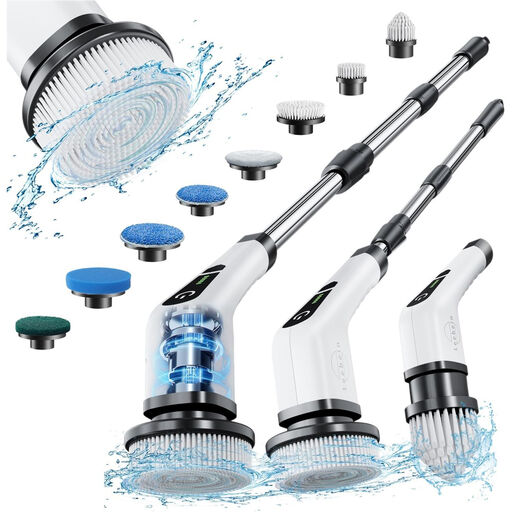
Why This Fits Their Persona: Perfect for drivers who want to remove stubborn dirt from rims, crevices, or floor mats without strenuous scrubbing. The motorised brush automates the most tedious part of car care.
Instead of a set of passive tools, this device offers active, motorised cleaning power. The up to 90-minute battery life and two speed settings are reliable performance specs, not empty promises.
Eight interchangeable brush heads for different surfaces, an adjustable extension rod (up to 137 cm) for hard-to-reach areas, and IPX7 water resistance make it a versatile helper.

Why This Fits Their Persona: For demanding users, families, and pet owners who need uncompromising suction power for a deep interior clean. This device is designed to reliably remove even the most stubborn dirt.
It avoids the trap of misleading performance claims with verifiable specs: a brushless motor, high suction power of 16,000 Pa, and a large 6,000 mAh battery ensure consistently high and long-lasting performance.
The 4-in-1 functionality (vacuum, blow, inflate, charge) makes it a multifunctional tool. The high suction power combined with the long battery life allows for an efficient and thorough clean.
We've compiled a complete, up-to-date list of products that fully meet these strict selection criteria and UK safety regulations.
Battery life varies greatly depending on the model and the suction level used. Basic models often last only 10–15 minutes. Higher-quality devices with larger batteries (e.g., 4,000–6,000 mAh) can achieve a runtime of 20 to 40 minutes, which is usually sufficient for a complete cleaning of the car's interior.
Electric cleaning brushes are primarily intended for robust surfaces like rims, tyres, interior plastic trim, or heavily soiled floor mats. For use on paint, only very soft polishing or waxing attachments explicitly designed for this purpose should be used. Always read the manufacturer's instructions to avoid scratches.
Watts indicate the motor's power consumption, i.e., how much energy it uses. Pascals (Pa), on the other hand, measure the vacuum pressure created, which is the actual suction power. A high wattage does not automatically mean high suction power. For cleaning performance, the Pa value is the more meaningful indicator.