
Lieferung heute & morgen

Qualitätsgarantie

Willkommens-Angebote freischalten: KOSTENLOSE Lieferung | Bis zu 80 % RABATT | Kostenlose 30-Tage-JoyPlus-Testphase
App herunterladen
If you don't have a garage or carport, you know the challenges: icy windows in winter, an overheated interior in summer, and a year-round battle against dirt, bird droppings, and the risk of scratches. A car cover is a practical solution, but navigating the market can be overwhelming. Many products overpromise and underdeliver. This guide will help you avoid common purchasing pitfalls and find a cover that truly protects your vehicle's value.
Before you make a decision, it's important to understand the typical weaknesses that often only become apparent after a few weeks of use:
To avoid these problems, you should focus on three key features. These will determine whether a car protector cover is a worthwhile investment or a short-lived annoyance.
The quality of a car cover hinges on its material. Instead of focusing on marketing buzzwords, you should understand its construction:
A multi-layered construction is almost always the better choice for year-round protection.
A good fit isn't a luxury; it's a necessity. Pay attention to the following details:
Depending on your needs, you can choose between two main types:
Here are some recommendations tailored to specific use cases that meet the quality criteria mentioned above.

Why it's a match: Ideal for SUV owners who park their vehicle outdoors year-round and need reliable, all-around protection from rain, sun, and dirt.
The 5-layer construction, featuring a waterproof membrane and a soft inner lining, prevents both rain penetration and the formation of scratches and condensation.
Three windproof straps (front, middle, rear) and an elastic hem ensure a tight fit even in high winds, bypassing the problem of flapping covers.
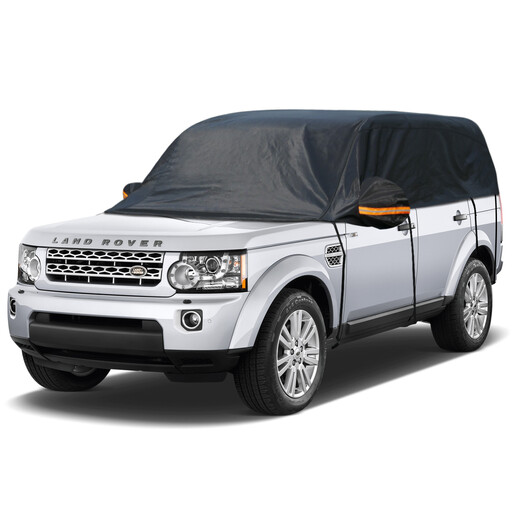
Why it's a match: Perfect for commuters who don't want to waste time scraping ice in the morning. The half cover is quick to install and reliably protects all windows from frost and snow.
Instead of a "universal" size, this model is specifically designed for SUVs. The fastening system with hooks and elastic bands ensures a taut fit without flapping.
The multi-layer construction with an aluminium layer not only provides winter protection but also offers effective heat protection in the summer, extending the life of the dashboard.

Why it's a match: For owners of high-value vehicles who live in hail-prone regions and are looking for a cover with proven protection against physical impacts.
Instead of vague promises, this model uses a 5 mm thick EVA composite fabric specifically designed to absorb impact energy—a clear distinction from thin, standard covers.
The protection zone is extended to cover not only the roof but also the side and rear windows. The hem material, made of 300D Oxford fabric, is also extremely tear-resistant.
The right cover is a smart investment in preserving your vehicle's value. We have curated a comprehensive selection of products that meet our criteria for material, fit, and protection.
1. How do I find the exact right size for my car cover? The most reliable method is to measure the length of your vehicle from bumper to bumper. Compare this measurement with the manufacturer's size chart. Also, be sure to select the correct vehicle type (e.g., sedan, SUV, hatchback), as models vary significantly in height and shape.
2. Can a waterproof car cover damage the paint? Yes, if it is not breathable. A purely waterproof cover traps moisture that rises from the ground or is created by temperature fluctuations. This can lead to stains or paint damage. Look for multi-layer covers with a breathable membrane and a soft, paint-friendly inner lining.
3. What is the lifespan of a car protector cover? The durability heavily depends on the material and the level of UV exposure. Simple, thin PEVA or 190T polyester covers often last only one or two seasons. High-quality, multi-layer models made from thicker fleece or robust Oxford fabric can last for several years with proper care. Regular cleaning and ensuring the cover is dry before storage will significantly extend its lifespan.