
Lieferung heute & morgen

Qualitätsgarantie

Willkommens-Angebote freischalten: KOSTENLOSE Lieferung | Bis zu 80 % RABATT | Kostenlose 30-Tage-JoyPlus-Testphase
App herunterladen
For car owners without a garage or carport who park on the street, protecting their vehicle from the elements is a daily challenge. A high-quality car cover can shield the paint from UV radiation, rain, snow, and bird droppings, thus preserving the car's value long-term. However, the market is overwhelming, and not every car tarp delivers on its promise. Many products have flaws that only become apparent after a few weeks or months.
This guide will help you understand the crucial criteria and avoid common purchasing traps, so you can find a durable and suitable car protective cover for your vehicle.
Before we dive into the important features, you should be aware of the typical problems that lead to inadequate protection and unnecessary expenses.
To avoid a bad purchase, you should check three central aspects before making a decision. These largely determine the functionality, durability, and protective performance of your new full car cover or half cover.
The correct fit is essential. A good car cover should fit like a second skin, without being too tight or flapping loosely.
The material determines the protective effect and longevity. Multi-layered materials often offer a balanced performance here.
A secure fit and practical details make daily use much easier.
Here are some recommendations tailored to different vehicle types and user needs.
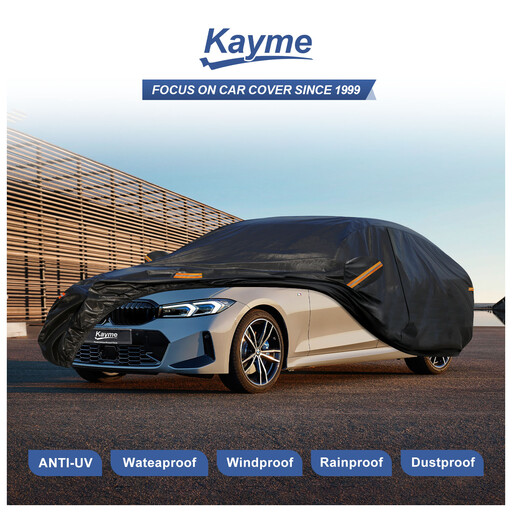
Why This Fits Their Persona: Ideal for owners of mid-size sedans looking for reliable, all-season protection. The multi-layer construction offers a solid balance of weather protection and paint-friendliness for daily use.
This model is specifically designed for sedans and is available in precise length sizes, avoiding the "one-size-fits-all" trap. The three windproof straps ensure a secure fit.
The 7-layer construction with a soft cotton inner lining provides protection against scratches and weather. Reflective strips enhance safety at night.
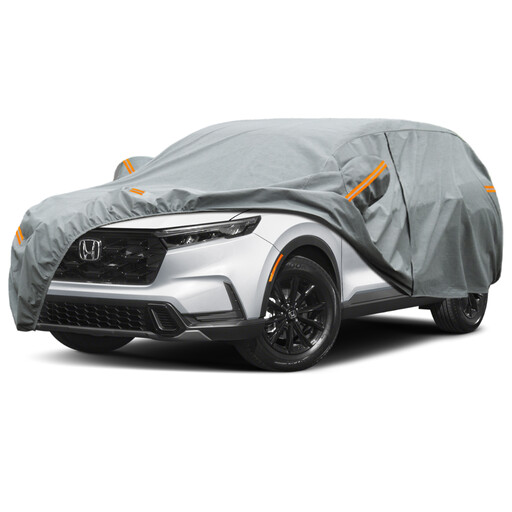
Why This Fits Their Persona: Specifically designed for the taller and wider dimensions of SUVs. Provides robust protection for larger vehicles that are often more exposed to the elements.
The explicit design for SUVs guarantees a correct fit. The 5-layer non-woven fabric with an inner membrane is both waterproof and breathable, thus preventing moisture buildup.
Heavy-duty 180 g/m? material for high durability. Three windproof straps and an elastic hem ensure a firm hold even in strong winds.
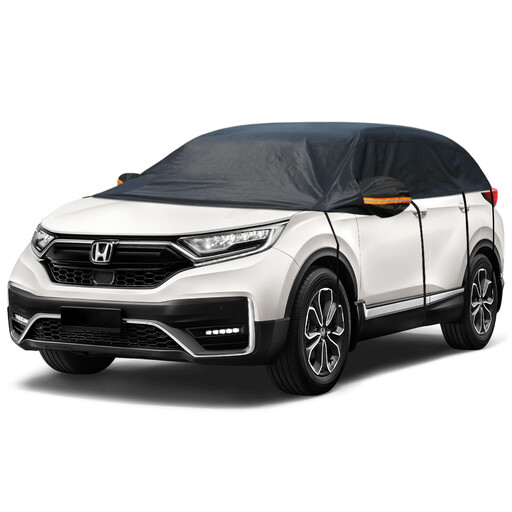
Why This Fits Their Persona: Perfect for drivers who want a quick and easy solution. A half cover protects the most sensitive parts of the car (windows, roof, bonnet) from frost, sun, and dirt, and can be fitted in seconds.
Instead of an ill-fitting full cover, this model offers targeted protection. The fastening with elastic straps and hooks is simple yet secure, solving the problem of inadequate fixation.
Very quick to install and remove. The multi-layer material with an aluminium layer offers effective protection against heat in summer and frost in winter.

Why This Fits Their Persona: For car owners in hail-prone areas who need specialized protection to avoid expensive dents and paint damage. This is an investment in preserving the vehicle's value.
Unlike standard covers, this model offers a special function. The integrated 5 mm thick EVA padding absorbs the impact energy of hailstones, thus protecting the car body.
Professional hail protection through padded material. Ventilation openings ensure breathability, while tear-resistant 300D Oxford fabric at the hem provides durability.
We've compiled a complete, up-to-date list of products that fully meet these strict selection criteria and local regulations.
The correct size is crucial. Follow these three steps:
Yes, if it is not breathable. A purely waterproof cover prevents moisture, which forms under the cover due to temperature fluctuations, from escaping. This condensation can lead to stains, mould growth, or even corrosion. Therefore, always look for a breathable car cover or models with designated ventilation openings.
A full cover is a complete cover that encloses the entire vehicle. It offers comprehensive protection against all weather conditions, dirt, and scratches. A half cover only covers the upper part of the vehicle—the roof, windows, bonnet, and boot lid. It is lighter and quicker to handle and primarily protects against sun, heat, frost on the windows, and bird droppings. The choice depends on your individual protection needs and desired handling speed.