
Lieferung heute & morgen

Qualitätsgarantie

Willkommens-Angebote freischalten: KOSTENLOSE Lieferung | Bis zu 80 % RABATT | Kostenlose 30-Tage-JoyPlus-Testphase
App herunterladen
As a car owner who parks outdoors, you know the challenges: bird droppings, tree sap, UV radiation in the summer, and frost in the winter continuously attack the paintwork. A high-quality car cover is a practical solution to preserve the value and appearance of your vehicle. However, the market can be confusing, and not every product delivers on its promises.
This guide will help you avoid common buying mistakes and find a protective car cover that perfectly matches your needs and your vehicle.
Many well-intentioned purchases turn out to be impractical or even harmful to the vehicle. Be sure to avoid these three common pitfalls:
To make an informed decision, you should examine three core technical parameters. These determine the functionality and longevity of your car cover.
The material construction is the most important quality feature. A basic distinction is made between single-layer and multi-layer systems.
Keeping a car cover waterproof is only half the battle. Pay attention to information about breathability to avoid the moisture trap mentioned above.
A snug-fitting cover is essential for effective protection. Measure the exact length of your vehicle (from bumper to bumper) and choose a cover designed for your vehicle type.
Different types are suitable depending on your specific requirements:
Based on the criteria mentioned, we have compiled a few products for different user profiles.
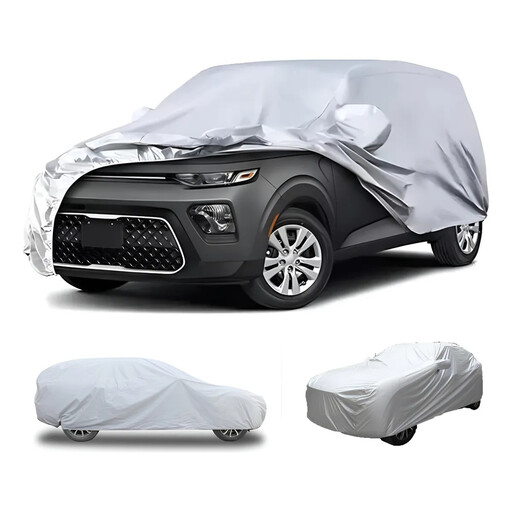
Why it's a good fit: Ideal for users seeking solid basic protection from dust, rain, and sun without a large investment. Suitable for occasional use or as a secondary cover.
The PEVA material is more resilient than simple plastic, thus avoiding the mistake of using a material that is too thin. The elastic hem ensures a better fit than simple covers without any fastening.
The material is water-repellent and UV-reflective. Its light weight makes it easy to handle and allows for compact storage.

Why it's a good fit: Designed for SUV owners who park their vehicle outdoors daily, all year round. The robust construction and vehicle-specific fit offer reliable protection in any weather.
The 5-layer construction with an inner membrane is waterproof yet breathable, which prevents the moisture trap. The SUV-specific fit and three wind straps overcome the disadvantages of a universal size.
The thick, soft inner layer actively protects the paint from scratches. Reflective strips increase visibility and safety at night.

Why it's a good fit: Indispensable for vehicle owners in regions with a high risk of hail. Thanks to its special padding, this cover provides active protection against dents and damage from hailstones.
This model goes beyond the protection of a standard cover and specifically addresses the mistake of inadequate material protection. The thick padding provides mechanical protection that thin covers cannot offer.
According to the manufacturer, the 5 mm thick EVA composite fabric protects against hailstones. Air vents support air circulation and prevent moisture build-up.
We have compiled a complete, up-to-date list of products that fully meet these strict selection criteria and UK regulations.
Measure the total length of your vehicle from the front edge of the front bumper to the rearmost edge of the rear bumper. Do not include attachments like tow hitches if they are removable. Compare this measurement with the manufacturer's size specifications. Also, always check if the cover is designed for your body type (e.g., sedan, SUV, station wagon, hatchback).
Yes, this is possible if the cover is not breathable. If a vehicle is covered after a drive in the rain or in high humidity, the trapped moisture cannot escape. This creates an ideal climate for mould and mildew. Therefore, look for multi-layer covers with breathable membranes or models with integrated ventilation openings.
The lifespan heavily depends on the material quality, frequency of use, and weather conditions. A high-quality, multi-layer portable garage for daily outdoor use can last several years with proper care. Cheaper, single-layer models are often designed for only one or two seasons before the material becomes brittle from UV radiation and weathering. Regular cleaning and dry storage when not in use will significantly extend its durability.