
Lieferung heute & morgen

Qualitätsgarantie

Willkommens-Angebote freischalten: KOSTENLOSE Lieferung | Bis zu 80 % RABATT | Kostenlose 30-Tage-JoyPlus-Testphase
App herunterladen
As a car owner who parks outdoors, you know the challenges: pollen in the spring, harsh UV radiation in the summer, leaves and rain in the autumn, and ice and snow in the winter. On top of that, bird droppings and tree sap can cause lasting damage to your paintwork. A high-quality car cover, also known as a full car cover or protective car cover, offers an effective solution.
This guide serves as a practical resource. We'll explain which features matter most when making your selection and present a curated list of models that meet different needs—from simple weather protection to a specialised car cover with hail protection.
The variety of car covers is vast. To make the right decision, you should consider three key aspects: the material, the fit, and the specific protective features.
The material is the primary factor determining the protective performance and durability of a car cover.
A poorly fitting cover can flap in the wind, causing scuff marks on the paint, or even blow away entirely.
For regions with a high risk of severe weather or for storing valuable vehicles, specialised protective covers are available. A car cover with hail protection features an integrated padded layer, usually made of materials like EVA foam. This layer absorbs the impact energy of hailstones, helping to prevent dents in the bodywork.
Based on the criteria mentioned, we have compiled a selection of products suitable for various applications.
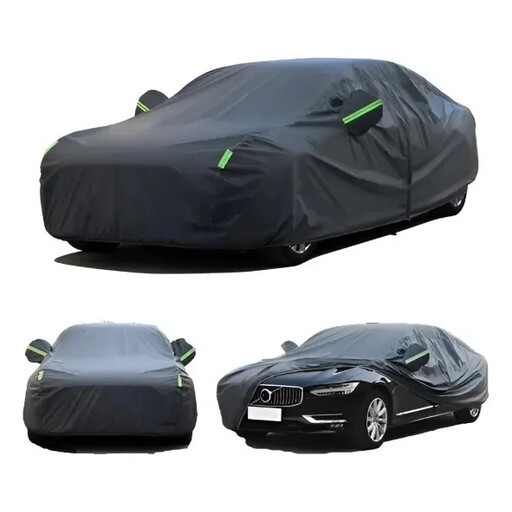
This full car cover is a well-balanced solution for daily, all-season use. It combines effective protection with practical details for enhanced safety and easy handling.
Why it stands out: This model is made of 190T polyester fabric with a silver coating. This combination offers triple protection: it is waterproof, provides high UV protection by reflecting sunlight, and keeps dust and dirt at bay. Strategically placed reflective strips increase the visibility of the parked vehicle at night.
Pros:
Who it's for: Ideal for drivers who park their vehicle outdoors daily and need reliable protection from common weather conditions and dirt.
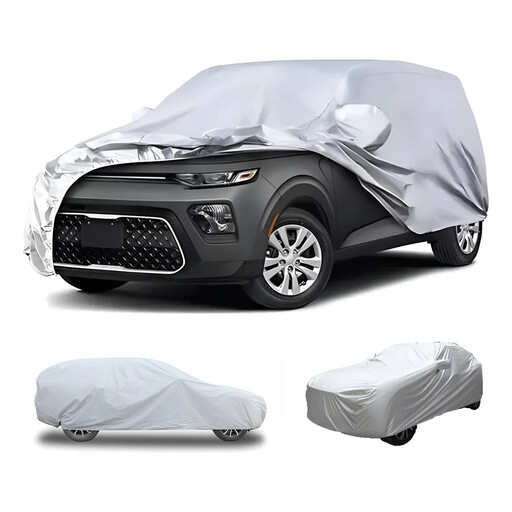
This single-layer protective car cover made of PEVA material is distinguished by its low weight and ease of use. It provides solid, basic protection for everyday use.
Why it stands out: The PEVA (Polyethylene Vinyl Acetate) material is waterproof and durable. Thanks to its lightweight design, the cover can be put on and taken off in minutes. When folded, it takes up very little space in the boot.
Pros:
Who it's for: A great choice for users who need a straightforward and affordable cover for basic protection against rain, sun, and dust, and who value quick installation.
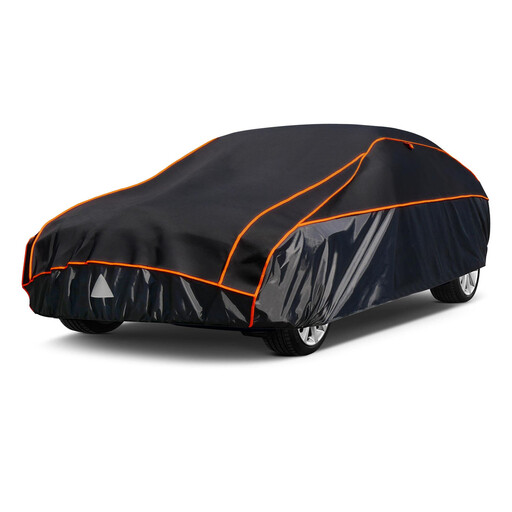
When maximum protection against mechanical impacts is required, this model offers a specialised solution. It was specifically developed as a car cover with hail protection.
Why it stands out: Its core feature is a 5 mm thick padded layer made of an EVA blend, which covers key vehicle areas like the roof, bonnet, boot, and windows. According to the manufacturer, this layer protects against hailstones the size of a 5-cent coin at speeds of up to 70 km/h. The hem, made of tear-resistant 300D Oxford fabric, and three separate wind straps ensure extreme stability.
Pros:
Who it's for: Essential for vehicle owners in hail-prone areas or for anyone looking to provide the best possible protection for valuable vehicles like classic cars, convertibles, or luxury sedans against impact damage.
The models presented here already cover many use cases. However, if you need a different size, material, or special features for your vehicle, you will find a wider selection in our broader category.
Discover more products in the Car Protection section.
1. How do I find the right size for my car cover? Measure the maximum length, width, and height of your vehicle. Be sure to include any attachments like spoilers or roof antennas. Compare your measurements with the dimensions provided in the product description. When in doubt, it's better to choose a slightly larger cover than one that's too small.
2. Is a breathable car cover really necessary? Yes, especially for long-term use. A breathable cover allows trapped moisture (condensation) to escape from underneath. This prevents the formation of mould, mildew, and corrosion on the vehicle. For indoor garage use solely for dust protection, this aspect is less critical than for outdoor use.