
Lieferung heute & morgen

Qualitätsgarantie

Willkommens-Angebote freischalten: KOSTENLOSE Lieferung | Bis zu 80 % RABATT | Kostenlose 30-Tage-JoyPlus-Testphase
App herunterladen
If you're looking to buy car electronics accessories, you'll find countless adapters, diagnostic tools and charging cables all making similar promises. However, the differences often only become apparent during setup or in daily use. A Bluetooth adapter, for example, may only work with certain apps; a wireless CarPlay adapter requires an existing wired CarPlay system; and an EV charger must be compatible with both the electrical infrastructure and your vehicle's onboard charger.
With an OBD2 diagnostic tool, what really matters is which protocols and vehicle functions it supports. Although the term OBD2 describes a standardised interface, it doesn't automatically grant access to every control unit. Before purchasing, you should check the year, make, model and the diagnostic scope you need.
The same applies to a wireless CarPlay adapter or a wireless Android Auto adapter: your vehicle must already support the respective wired function. A USB port alone is not necessarily sufficient.
A cheap Bluetooth OBD2 adapter can read fault codes, but it may not offer manufacturer-specific functions. Conversely, an app might require additional subscriptions, in-app purchases or paid updates. That's why update terms and app compatibility are among the most important things to check.
An EV charger rated at 11 kW can deliver up to 11 kW, provided your mains connection, circuit protection and vehicle allow it. A plug-in hybrid or electric car with a lower-capacity onboard charger will charge more slowly. The maximum charging power of the portable charger is therefore only part of the equation.
When choosing a car diagnostic tool, the product specifications should at least include:
An adapter that claims to support several common protocols may be suitable for many vehicles. However, the manufacturer's information is no substitute for checking your specific vehicle model.
A wireless CarPlay adapter typically requires a vehicle with factory-fitted wired Apple CarPlay. The same principle applies to Android Auto. In addition, the USB port, smartphone operating system and Bluetooth or Wi-Fi connection are all relevant.
Pay attention to:
During driving, operation should ideally be carried out using the vehicle's own controls. Initial setup should not be done from behind the steering wheel.
An electric car charging cable or portable Type 2 wallbox must match your vehicle's connector and the available power source. For three-phase charging at 11 kW, you'll need suitable mains conditions and a compatible CEE connection. The electrical installation and circuit protection should be checked by a qualified professional.
Also relevant are:
App control can help you schedule charging times or check the status. However, it does not replace a proper inspection of the electrical installation.
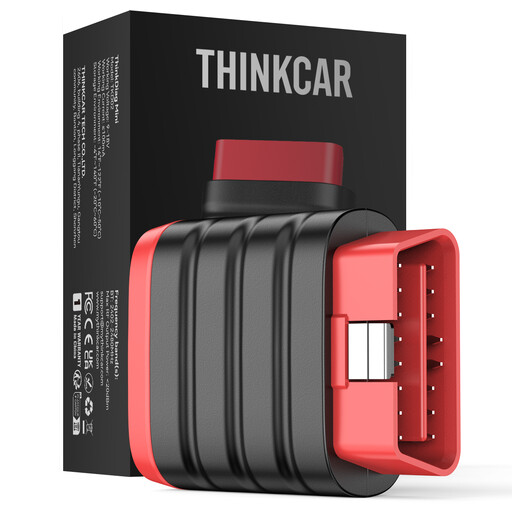
Why this product fits the profile: This compact Bluetooth adapter connects to iOS and Android devices and is used with the ThinkDiag+ app. Its lightweight design (0.1 kg) makes it easy to store in your vehicle.
The product details list supported protocols and 22 languages. It also states a lifetime free update subscription. Maintenance resets and special functions are not included, according to the description.
Bluetooth connection, iOS and Android support, multiple communication protocols and diagnostic functions for various vehicle systems.
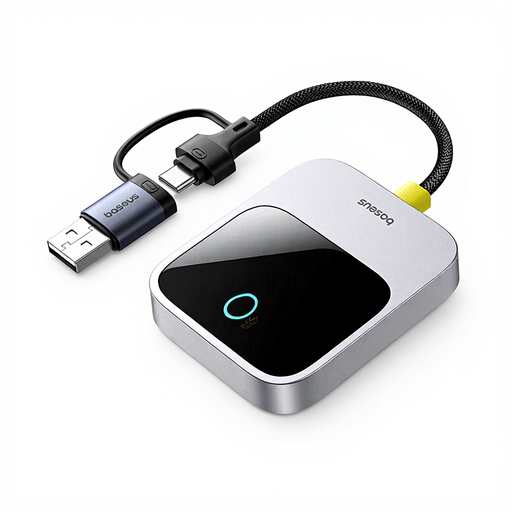
Why this product fits the profile: This adapter is designed for iPhone users with a compatible vehicle who want to use CarPlay without an extra cable. Navigation, calls and media are all controlled via the original vehicle display.
Before buying, you should check whether your vehicle supports wired CarPlay. This adapter is not a general retrofit for every infotainment system.
Wireless CarPlay connection, use of the existing vehicle display and a compact housing in Space Grey.
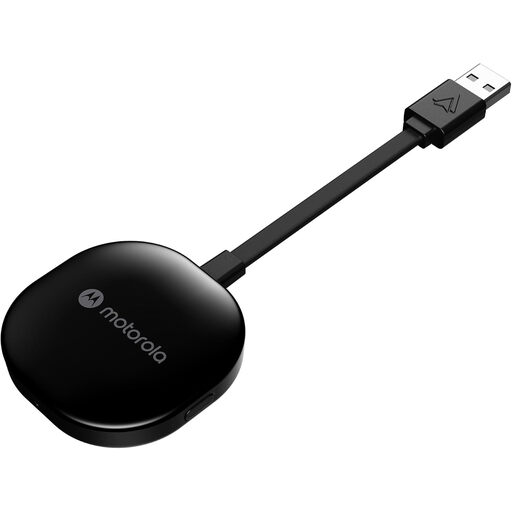
Why this product fits the profile: This USB-A adapter is designed for Android smartphones and vehicles with Android Auto support. Setup is done via Bluetooth and 5 GHz Wi-Fi.
Compatibility is clearly limited to Android Auto-capable vehicles and smartphones. This makes it easy to check in advance whether your existing USB port is suitable.
Plug-and-play design, 5 GHz Wi-Fi, USB-A connection and included gel mount for secure attachment.
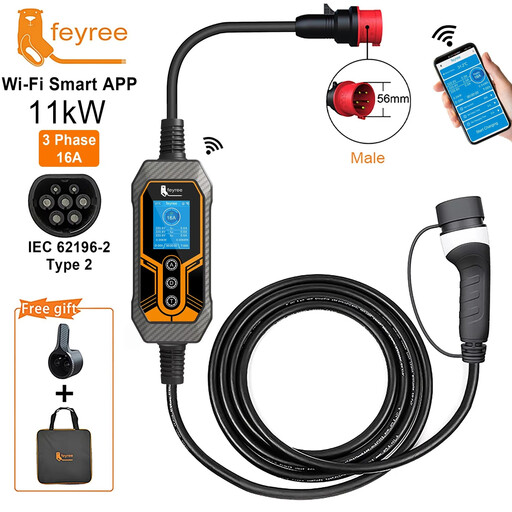
Why this product fits the profile: This portable charger is aimed at owners of electric cars or plug-in hybrids with a Type 2 connector who want to schedule charging times flexibly and monitor the charging status.
The adjustable current settings from 8 A to 16 A allow you to verify the available power supply. However, the actual charging speed still depends on the connection and your vehicle.
11 kW maximum output, 5 m cable, app and button control, LCD display and specified protection features against overcurrent, overheating and residual currents.
We've put together a complete, regularly updated list of products that fully meet these strict selection criteria and the safety regulations in force in the EU.
No. Compatibility depends on the vehicle model, year, diagnostic protocols and the app. Before buying, you should check the manufacturer's compatibility information against your own vehicle. An OBD2 port does not guarantee access to every control unit.
First, plug the adapter into the USB port for wired CarPlay. Then pair your iPhone and the adapter, usually via Bluetooth; further data connection can then take place over Wi-Fi. Setup should be carried out with the vehicle stationary.
The ongoing electricity costs depend on your vehicle's energy consumption and your electricity tariff. A charging power of 11 kW does not automatically change the price per kilowatt-hour. For a realistic calculation, you need to consider battery capacity, charging losses, charging time and your tariff.