
Lieferung heute & morgen

Qualitätsgarantie

Willkommens-Angebote freischalten: KOSTENLOSE Lieferung | Bis zu 80 % RABATT | Kostenlose 30-Tage-JoyPlus-Testphase
App herunterladen
Customizing your vehicle often starts with the details. A high-quality interior LED lighting system can dramatically transform the atmosphere during your drive and add a personal touch to the interior. However, the market is flooded with products of widely varying quality. Many drivers invest in kits that fail after a short time. This guide highlights the most common pitfalls and explains which technical features you should look for to make an informed decision.
Before you retrofit ambient lighting in your car, it's crucial to understand the common weak points of many products on the market. These often lead to frustration and unnecessary expenses.
To avoid these problems, you should check three key technical aspects before buying. These largely determine the longevity, functionality, and visual appeal of your new vehicle lighting.
The control method significantly impacts the user experience.
The light-emitting technology defines the final look.
The power source is crucial for a simple and safe installation.
Choosing the right product depends on your technical skills and the desired outcome. Here are some options tailored to different user profiles.
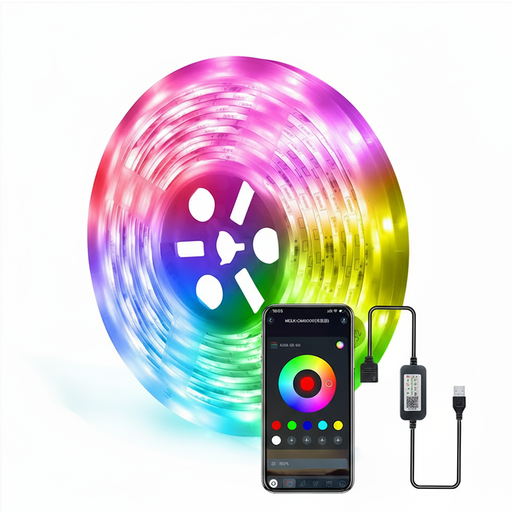
Why This Fits Their Persona: Ideal for users looking for a quick and easy solution without permanent modifications to their vehicle. The USB power supply makes installation a plug-and-play experience that can be completed in minutes.
Bypasses the problem of complicated 12V wiring by using a universal 5V USB connection. The flexible FPC board is more resistant to breakage than rigid strips.
Full app control for customising colours and modes; integrated music sync for dynamic lighting effects.
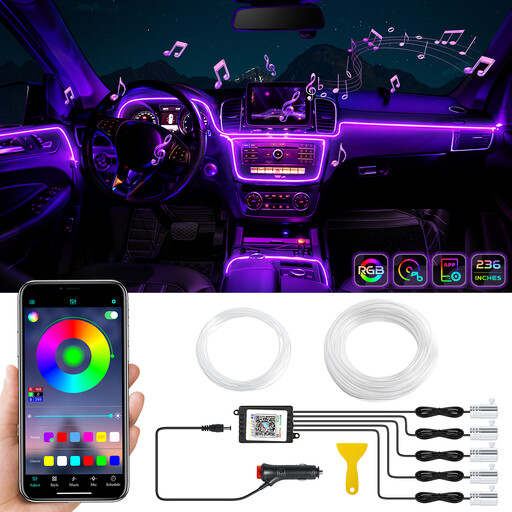
Why This Fits Their Persona: Perfect for tuning enthusiasts who want a professional and seamlessly integrated result. The kit includes everything needed to create precise and elegant light accents with fibre optic guides.
The fibre optic technology is more flexible and discreet than wide LED strips, allowing for a clean installation in the gaps of trim panels without breaking.
Complete kit with 6 metres of fibre optic cable for comprehensive illumination; sound-active function and full control via the "Lotus Lantern" app.
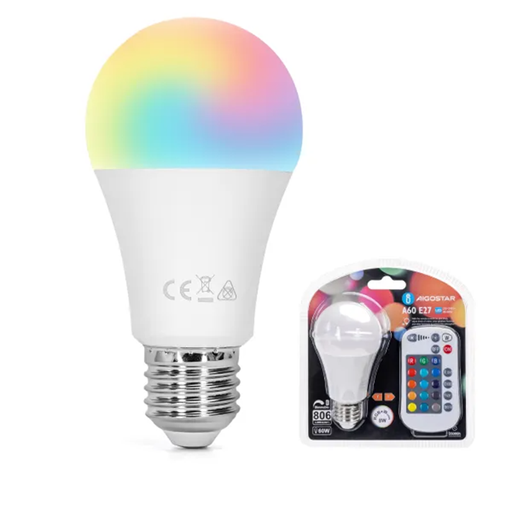
Why This Fits Their Persona: An excellent solution for the living area of campers or vans that already have an E27 socket (or a power inverter). It provides strong, room-filling illumination instead of fine accent lines.
Avoids the need to install adhesive strips or light guides. Installation is as simple as screwing it into an existing socket, which maximises durability.
Combines warm white main light (3000K, 806lm) with 16 RGB colours; easy control via the included infrared remote.
We have compiled a complete, up-to-date list of products that fully meet these strict selection criteria.
The most common methods are connecting to a 5V USB port or directly to the vehicle's 12V electrical system. USB versions are easier to install (plug-and-play), while a 12V hardwire connection provides a more permanent and invisible solution but requires basic technical knowledge.
Yes, most kits available on the market are designed for self-installation. Products with a USB connection and self-adhesive strips can be installed by novices without special tools. For systems with fibre optic light guides or a 12V connection, a bit more craftsmanship and care are required.
Modern LED systems are extremely energy-efficient. Their power consumption is so low that it won't significantly drain the car battery while the engine is running. However, when the engine is off, the lights should not be left on for many hours to avoid draining the battery. Many systems are designed to turn off with the ignition for this reason.