
Lieferung heute & morgen

Qualitätsgarantie

Willkommens-Angebote freischalten: KOSTENLOSE Lieferung | Bis zu 80 % RABATT | Kostenlose 30-Tage-JoyPlus-Testphase
App herunterladen
A car phone holder is designed to keep your smartphone visible and secure while you are driving. Its position is crucial for navigation, hands-free functions and access to vehicle apps. At the same time, the holder must not obstruct your view, controls or airbags.
The market offers numerous options: a car phone holder for the air vent, models for the dashboard or windscreen, as well as magnetic systems and holders with wireless charging. However, the product name alone says little about how practical a holder is for everyday use. The key factors are the mounting method, device compatibility and construction.
A car air vent phone holder is compact, but not every air vent has sufficiently strong or suitable slats. A simple clip may give way with heavier smartphones or on very uneven roads. The holder can also block the airflow or become hot when the heating is on.
A dashboard phone holder or windscreen phone holder, on the other hand, requires a suitable surface that is preferably smooth and clean. Textured plastic surfaces, dust and strong sunlight can affect the grip of suction cups and adhesive pads.
A magnetic phone holder only works reliably if the smartphone or case has a suitable metal plate or compatible magnetic mount. The plate can affect wireless charging if it is attached in an unsuitable position.
Before buying, users should therefore check:
A phone holder with wireless charging requires a compatible smartphone and a suitable power supply. Even if the holder is mechanically compatible with various devices, that does not automatically mean that every model can be charged wirelessly. The A2C holder specifically states that the smartphone must support wireless charging and magnetic mounting.
The mounting method should suit your vehicle interior and everyday use:
Regardless of the system, the car phone holder must not be positioned in front of airbags, instruments or important controls. Your view of the road must remain unobstructed.
The stated device size is an important point of comparison. According to the product description, the Baseus model is designed for smartphones measuring 4.7 to 6.7 inches. According to the manufacturer, the A2C air vent holder supports devices from 4.7 to 6.9 inches and is also intended to be compatible with thicker cases. The A2C holder with wireless charging specifies a range of 4.0 to 7.2 inches.
If you use a particularly wide case, a battery case or a large smartphone, you should check not only the screen size, but also the maximum clamping width and the holder’s depth.
A 360-degree joint allows you to position the phone in portrait or landscape orientation. However, the term 360-degree phone holder only describes the possible range of rotation; it does not automatically indicate how firm the joint is. Look for:
With suction cup models, the mounting surface should be cleaned and completely dried before installation. After mounting, it is advisable to carry out a brief check before inserting the smartphone.
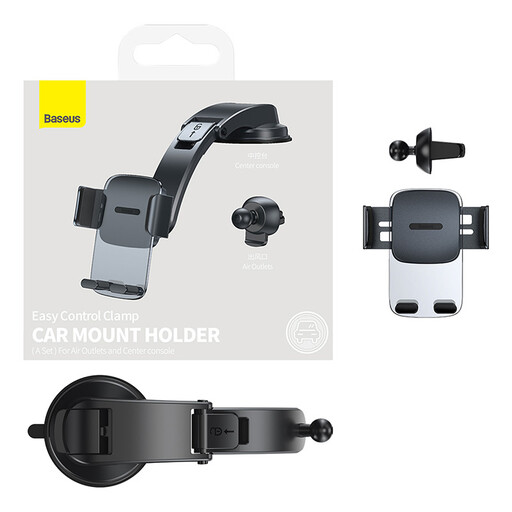
Why this product suits the profile: This model combines clamp and mounting accessories for air vents or dashboards and supports smartphones from 4.7 to 6.7 inches. One-handed operation is practical for everyday journeys.
The mechanical clamp and silicone pads help reduce the risk of the smartphone slipping during braking or on uneven surfaces.
One-handed operation, horizontal and vertical positioning, plus accessories for two mounting positions.
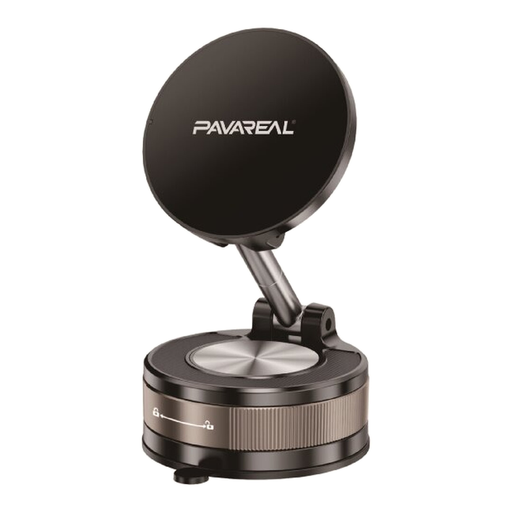
Why this product suits the profile: The combination of an aluminium base, PC components and 360-degree rotation is aimed at users looking for a flexible viewing position and compact construction.
The sturdy suction cup base is designed for a smooth, prepared surface. This makes it possible to check the installation carefully before use.
Aluminium alloy, 360-degree adjustment and one-handed operation according to the product description.
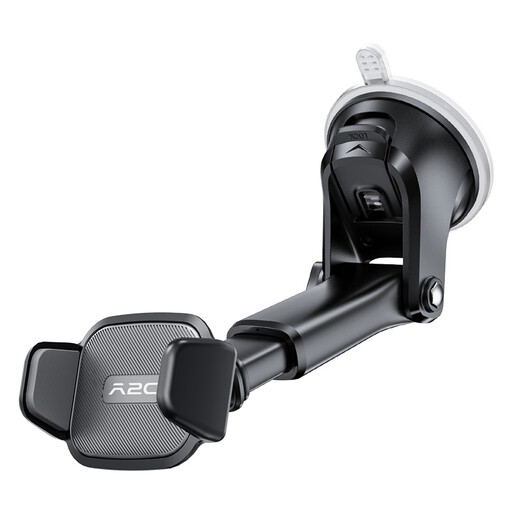
Why this product suits the profile: The 3-in-1 mounting system supports dashboards, windscreens and air vents. This is useful for drivers of cars, SUVs, lorries or motorhomes who need several mounting locations.
The reusable suction cup base, triangular locking mechanism and non-slip silicone pads address common problems caused by vibrations and insufficient grip.
Three mounting options, UV-resistant material, one-handed operation and a one-year warranty according to the product information.
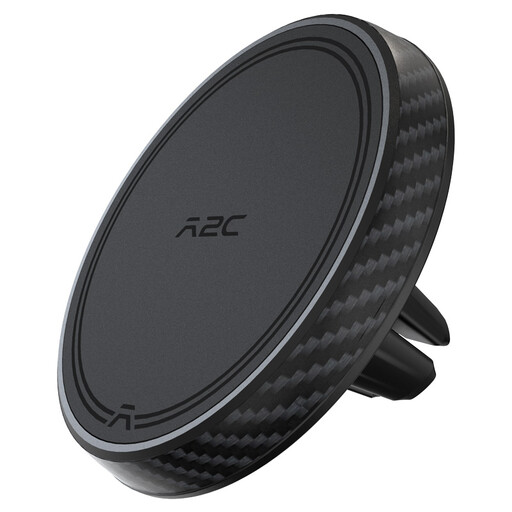
Why this product suits the profile: This holder combines magnetic mounting with wireless charging and, according to the product information, is designed for smartphones from 4.0 to 7.2 inches.
The product description explicitly states that wireless charging and magnetic attachment must be supported. This should be checked before buying.
Wireless charging, magnetic mounting and use with a standard air vent according to the supplier’s information.
First, attach the holder temporarily without inserting the smartphone. Then check that navigation and instruments remain visible and that the holder does not move during a simulated braking manoeuvre. With suction cups, clean, dry surfaces are essential. Clamp holders should not be forced onto unsuitable slats.
With magnetic models, metal plates must be positioned precisely. Cards, small magnets and magnetically sensitive items should not be placed between the smartphone and holder. If the phone becomes unusually hot, stop the charging function and investigate the cause.
We have put together a complete, regularly updated list of products that fully meet these strict selection criteria and the safety regulations applicable in the EU.
This depends on the vehicle and your preferred position. For discreet installation, an air vent holder may be suitable. On smooth surfaces, dashboard or windscreen models with suction cups offer flexible positioning. Before installation, you must consider your field of vision, airbags and controls.
There is no fixed lifespan that applies in every case. Heat, direct sunlight, frequent repositioning and dust can put strain on suction cups, adhesive pads and joints. Check the grip, screws, clamps and silicone pads regularly. Damaged holders should be replaced.
A phone holder with wireless charging requires a power connection, usually through the vehicle’s power socket. Actual consumption depends on the charging electronics, smartphone and charge level. When the vehicle is parked, check whether the power supply switches off automatically or whether the holder needs to be disconnected manually.