
Lieferung heute & morgen

Qualitätsgarantie

Willkommens-Angebote freischalten: KOSTENLOSE Lieferung | Bis zu 80 % RABATT | Kostenlose 30-Tage-JoyPlus-Testphase
App herunterladen
A car phone holder should keep your smartphone visible and securely positioned while you are driving, without obstructing your view or access to the vehicle’s controls. In practice, however, car phone holders vary considerably in terms of mounting, device compatibility and everyday usability. Focusing only on terms such as “universal”, “magnetic” or “15 W” means overlooking important details.
A smartphone holder for the car may be designed for a wide range of devices, but smartphone size, case thickness and mounting surface still need to be compatible. Some holders are only suitable for devices between 4.7 and 6.9 inches. With particularly thick protective cases, the side arms or magnetic contact may reach their limits.
With a magnetic phone holder, you should also check whether the smartphone or case has a suitable magnetic surface. iPhones from iPhone 12 onwards may offer MagSafe compatibility. Other models often require a metal ring or a suitable magnetic case.
A phone holder with wireless charging requires a compatible smartphone and a suitable power supply in the vehicle. The statement “up to 15 W” describes the possible maximum output, not necessarily the charging power available with every device. For a Qi car holder, three points are therefore important:
Heat, a thick case or inaccurate positioning can also affect wireless charging. A charger with temperature monitoring can be a useful technical addition here.
A phone holder with a suction cup grips most reliably on smooth, clean and suitable surfaces. Textured dashboards, dust or extreme temperatures can affect the grip. A windscreen phone holder can restrict your view if it is positioned too high or too centrally.
An air vent phone holder is compact and usually quick to install. However, air vent slats vary in shape and stability. With heavier smartphones or frequent jolts, the clip should grip deeply enough rather than resting loosely on just one slat.
A 3-in-1 solution can be useful if you plan to use the holder in several vehicles or in different positions.
Pay attention to the device size specified by the supplier. With clamps, the lower support, side arms and silicone pads are crucial. They should secure the phone without covering the buttons or charging ports. A phone holder with one-handed operation makes it easier to insert and remove your phone, but should only be operated when the vehicle is stationary.
Magnetic systems allow for quick attachment. Before buying, check whether a magnetic ring is required and whether it can be attached to the case or directly to the smartphone. Magnets should be kept away from sensitive cards and devices. If you have medical implants, follow the relevant manufacturer’s guidance.
A 360-degree phone holder can allow both portrait and landscape orientation. It is important that the joint remains securely fixed after adjustment. The smartphone must not obstruct your view, airbags, switches or access to the vehicle’s controls. Navigation and settings should only be adjusted when the vehicle is safely stationary.
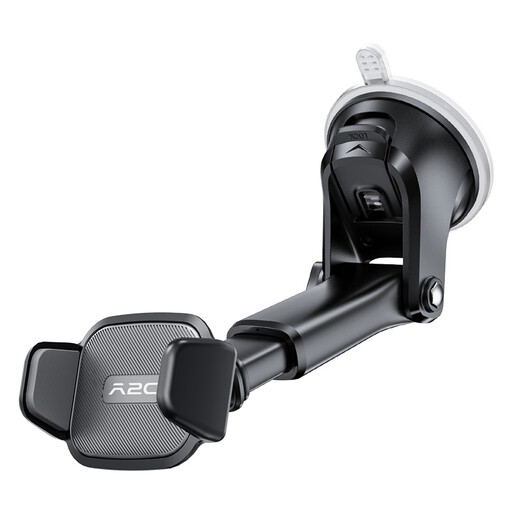
Why this product suits the profile: This holder offers mounting options for the dashboard, windscreen and air vent. One-handed operation and the stated dimensions of 9.7 × 7.2 × 11 cm make it suitable for everyday use in cars and lorries.
The reusable suction-cup base can be cleaned. According to the product description, a triangular locking structure and silicone pads provide additional grip.
Three mounting options, automatic clamping, UV-resistant material and a one-year warranty, according to the supplier.
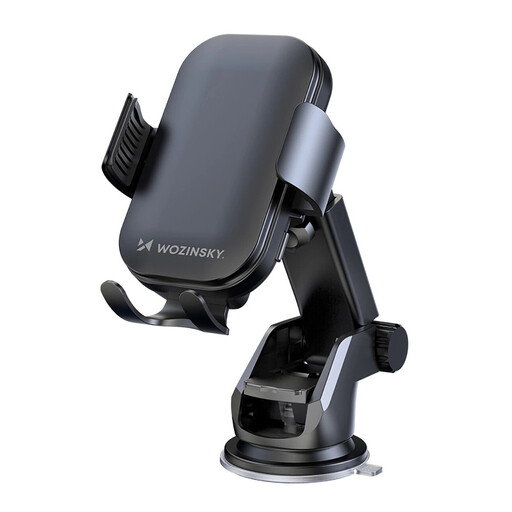
Why this product suits the profile: This dashboard phone holder combines an adjustable mount with Qi charging and temperature monitoring.
The stated specification includes several charging outputs from 5 to 15 W. This makes it easier to assess the actual output realistically than with an isolated maximum figure.
Suction-cup mounting, 360-degree adjustment, USB-C connection and Qi charging up to 15 W according to the product specifications.
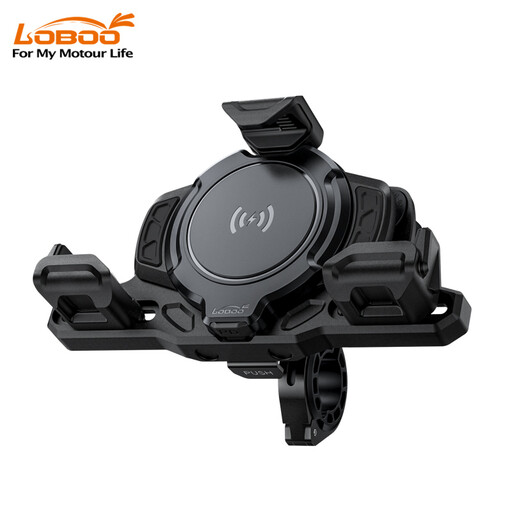
Why this product suits the profile: This holder is designed for motorcyclists who need a screwed handlebar base, vibration protection and optional wireless charging.
It is mounted using a handlebar base with screws. Before riding, all bolts must be tightened and the power supply correctly connected on the charging version.
Anti-vibration construction and wireless charging up to 15 W according to the product name.
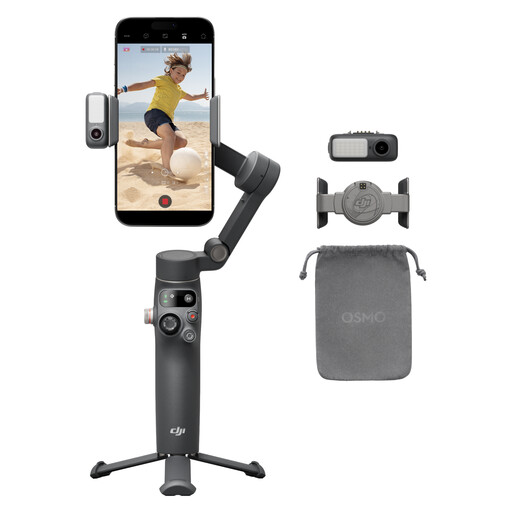
Why this product suits the profile: For filming outside a traditional car holder, this gimbal offers three-axis stabilisation, an integrated tripod and an extension rod.
It is intended for filming and mobile scenarios, not for mounting while driving. This clearly distinguishes its intended use from that of a car phone holder.
Three-axis stabilisation, integrated extension, tripod function and a stated battery life of up to 10 hours.
We have put together a complete, regularly updated list of products that fully meet these strict selection criteria and the safety regulations applicable in the EU.
The position should not obstruct your view, airbags or the vehicle’s controls. The dashboard, windscreen and air vent are all options, provided the relevant surface or construction is suitable. Check that the holder is secure before setting off.
Its lifespan depends on the surface, temperature, cleaning and load. A suction cup should be checked regularly to ensure it remains firmly attached. According to the supplier, washable models can be reused once they have dried completely after cleaning and have been installed correctly.
A Qi car holder draws power from the vehicle’s connection while charging. Actual consumption depends on the charging output, smartphone and charge level. During longer stops, use the power supply in accordance with the vehicle and device instructions.