
Lieferung heute & morgen

Qualitätsgarantie

Willkommens-Angebote freischalten: KOSTENLOSE Lieferung | Bis zu 80 % RABATT | Kostenlose 30-Tage-JoyPlus-Testphase
App herunterladen
Choosing a suitable car phone mount seems simple at first glance. However, many drivers quickly find that their new accessory wobbles, doesn't hold their smartphone securely, or breaks after just a few months. These problems are not only annoying but can also compromise road safety. Before you make a decision, it's crucial to understand the typical weak points often hidden behind appealing marketing.
This guide focuses on the three most common design flaws that lead to a bad purchase and explains which technical features you should look for to find a durable and functional solution for your vehicle.
Many products on the market promise universal compatibility and a firm hold but fail in practice when faced with basic everyday challenges.
To avoid these pitfalls, you should base your selection on three objective criteria: mounting type, material quality, and compatibility specifications.
The mounting method significantly determines the stability and positioning of your device. Each method has specific advantages and disadvantages.
The longevity of a car phone mount depends directly on the materials used. Look for products whose load-bearing parts, such as the mounting arm or clamps, are made from resilient materials like aluminum alloys or PC (Polycarbonate) instead of basic ABS plastic. A precision-engineered ball joint that locks firmly even after frequent adjustments is a clear sign of quality.
Before purchasing, check the exact device compatibility specifications. Reputable manufacturers provide the minimum and maximum width of the holding clamps in centimeters or the supported screen diagonal in inches. A good car smartphone holder should also have adjustable arms or joints to optimally adapt the viewing angle to your seating position without restricting your field of view.
Based on the criteria above, we have identified some products that are well-suited for specific use cases.
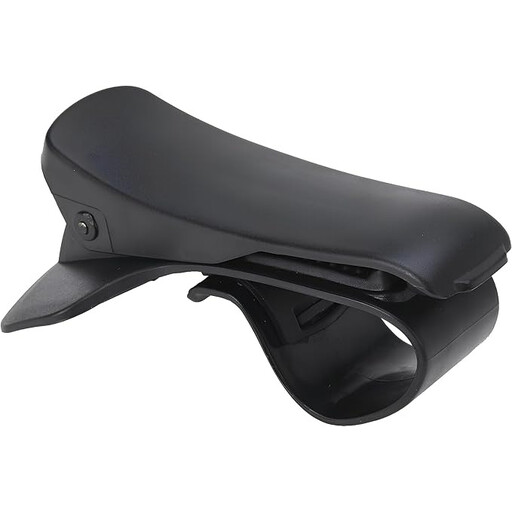
Why This Fits Their Persona: Ideal for drivers who need a straightforward and reliable solution for daily navigation. The air vent mount positions the smartphone directly in the line of sight without obstructing the windshield.
This mount bypasses the unstable mounting trap with a firm clamping mechanism for standard air vents, which is insensitive to temperature changes compared to suction cups.
Tool-free, quick installation. The 360-degree rotation allows for flexible screen orientation for an optimal view of the navigation.
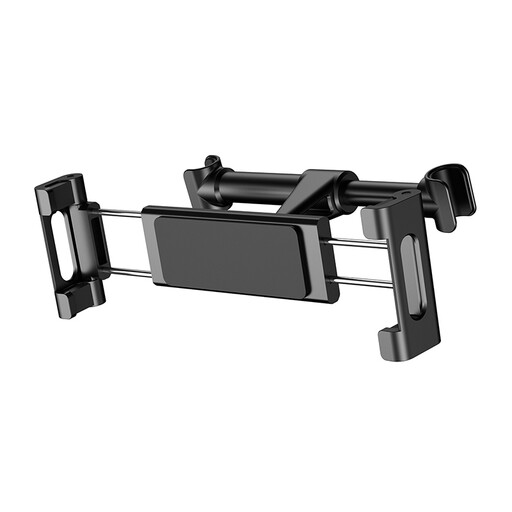
Why This Fits Their Persona: Perfect for backseat entertainment. This mount attaches securely to the headrest posts and holds both smartphones and tablets for comfortable media viewing during long car rides.
Solves the "misleading universal fit" problem with broad compatibility for devices from 4.7 to 12.9 inches. The robust buckle attachment is designed for standard headrests and provides a tight fit.
Sturdy construction of aluminum alloy and plastic. Securely holds even larger tablets, making it a versatile solution for the whole family.
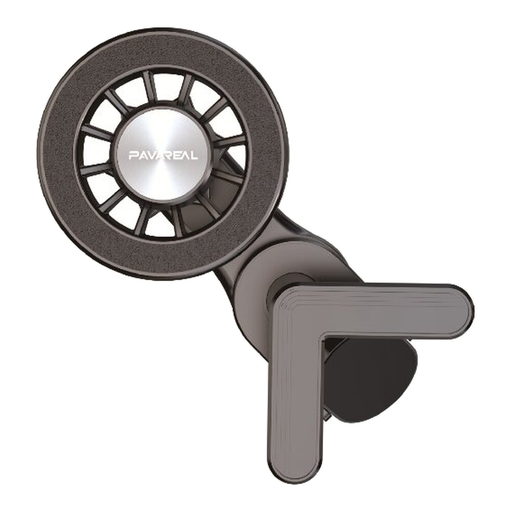
Why This Fits Their Persona: Designed for modern vehicle interiors, especially cars with large central screens. The magnetic mount allows for quick, one-handed operation and integrates seamlessly into a tech-focused cockpit.
Addresses the weak mounting trap with double magnetic force for a vibration-free hold. The special base is designed not to damage the screen it is attached to.
Strong magnetic attraction for a secure hold. According to the manufacturer, the hollow design of the suction cup supports effective heat dissipation.
We have compiled a complete, up-to-date list of products that fully meet these strict selection criteria and German safety regulations.
Yes, the use of a car phone mount is legal and recommended. According to § 23 (1a) of the German Road Traffic Regulations (StVO), operating an electronic device while driving is only permitted if the device is not picked up or held. A mount allows for compliant use for functions like navigation or hands-free calling, as long as the operation requires only a brief glance and does not significantly impair the driver's field of view.
Modern smartphones are generally immune to the magnets used in mounts. They are not strong enough to damage internal components like solid-state storage (SSD) or the processor. Regarding older concerns about cameras with optical image stabilization (OIS), most manufacturers have adapted their designs to minimize risks. It is still advisable not to place the magnetic plate directly over the camera module.
The lifespan heavily depends on the material and frequency of use. High-quality models made of metal alloys or reinforced plastic can last for several years. Cheaper models made of simple ABS plastic can fail in less than a year due to material fatigue, especially at the joints and clamping mechanisms. A regular check for cracks or diminishing clamping force is recommended.