
Lieferung heute & morgen

Qualitätsgarantie

Willkommens-Angebote freischalten: KOSTENLOSE Lieferung | Bis zu 80 % RABATT | Kostenlose 30-Tage-JoyPlus-Testphase
App herunterladen
A car phone mount should keep your smartphone within easy reach while driving, without obstructing your view, the air vents, or the controls. In practice, problems often arise not from the smartphone itself, but from an unsuitable mounting method, weak clamping mechanisms, or a poor position in the vehicle.
Whether you need a car phone holder, a smartphone mount for the car, or a flexible solution for navigation and hands-free calls, what really matters are the conditions inside your vehicle and the dimensions of your smartphone. The following guide highlights the features you should check before buying.
The term “universal” often only describes the intended device range. A universal phone mount may work with many smartphone sizes, but it still might not fit every air vent, phone case, or dashboard.
So, pay attention to:
A car phone mount for air vents is compact and usually quick to install. However, on delicate or very movable slats, the extra weight can alter the angle. What’s more, depending on your vehicle, the smartphone may sit directly in the airflow.
A dashboard car phone mount or windscreen car phone mount often gives you more freedom over positioning. But adhesive pads and suction cups need a clean, smooth surface. Dust, grease, strong curves and high temperatures can all affect adhesion.
A 360° rotatable car phone mount lets you use your phone in portrait or landscape mode. That’s handy when you need to adjust the navigation view. However, the rotation mechanism should be firm enough, and you must not position it so that it blocks your view, the controls, or the airbags.
Under Section 23, Paragraph 1a of the German Road Traffic Regulations (StVO), an electronic device may only be used while driving under certain conditions. So, you should make any adjustments before you set off. The mount does not replace your responsibility to drive attentively and safely.
A mount should cover the dimensions and weight of your device. For example, the Wozinsky WTHBK2 has a clamping range specified for devices from 4 to 11 inches. That covers smartphones, tablets, e-book readers and handheld consoles. The integrated hook is designed for items up to 0.5 kg according to the product details, and should not be loaded with heavier bags.
With magnetic models, it’s not just the magnetic strength that counts. Thick cases can weaken the connection. For mounts with clamping arms, non-slip silicone pads and even clamping pressure are important features.
ABS, PC, metal or aluminium alloy are commonly used materials. However, the material name alone doesn’t guarantee overall durability. More meaningful are specific product details such as dimensions, weight, clamping mechanism and assembly instructions.
Features that are practical include:
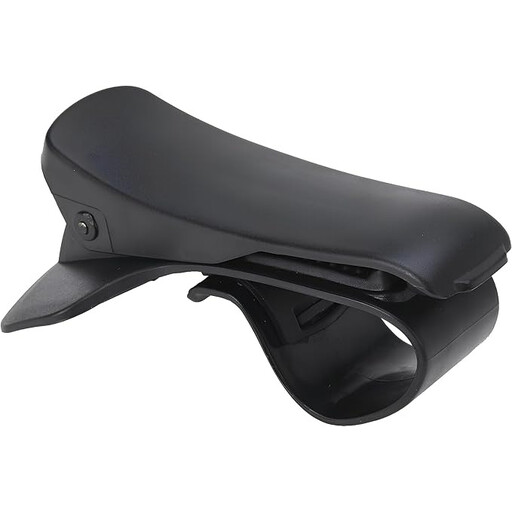
Why this product fits the profile: This mount is designed for air vent installation and offers a simple solution for commuters who want to secure their smartphone without any tools.
The product details state the mounting type, dimensions of 14 x 8 x 6 cm and a 360° rotation function. Still, check the stability of your air vent slats.
ABS construction, tool-free air vent installation and 360° adjustment.
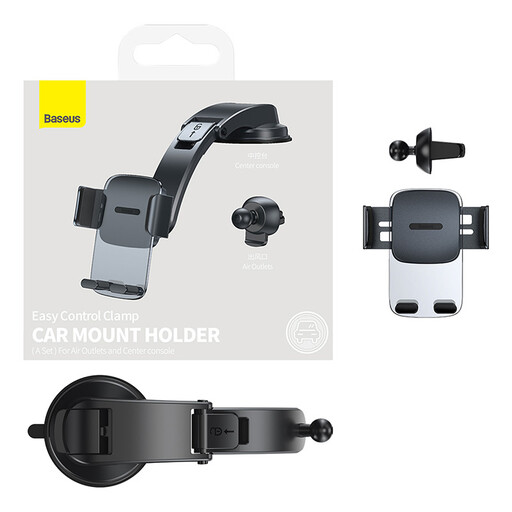
Why this product fits the profile: Suitable for users who want the choice between air vent and dashboard mounting, and who value a clearly defined clamping range.
The specified range of 4.7 to 6.7 inches makes checking compatibility easier. Silicone pads and the mechanical clamping mechanism reduce slipping.
Mounting accessories for air vent and dashboard, plus adjustable height and orientation.
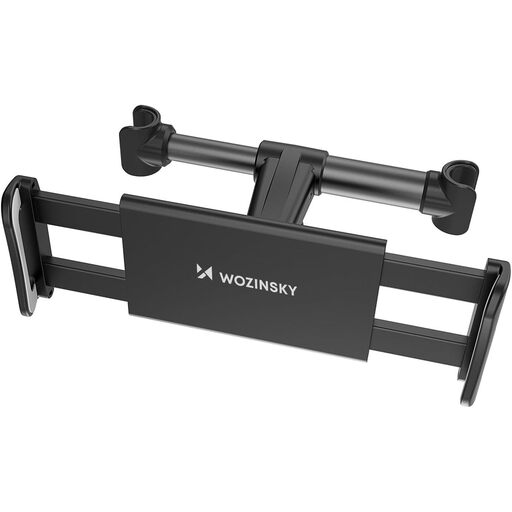
Why this product fits the profile: This headrest mount is aimed at passengers and families who want to use a smartphone or tablet in the back seat during the journey.
The defined range of 4 to 11 inches and the adjustable headrest fixing prevent you from choosing based on marketing claims alone.
360° ball joint, silicone pads and an integrated hook with a stated load capacity of 0.5 kg.
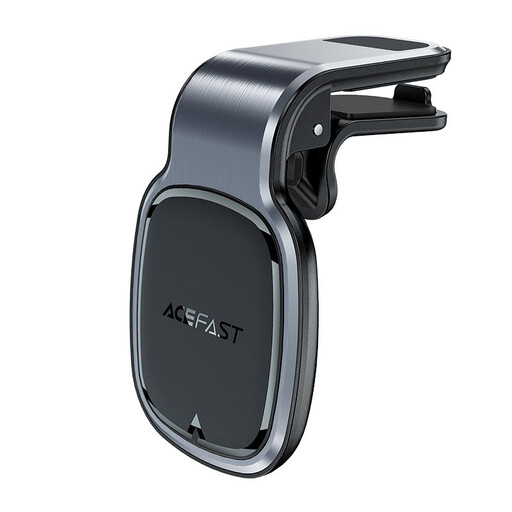
Why this product fits the profile: For commuters and frequent drivers who attach and remove their smartphone often, and who prefer a compact solution on the air vent.
The product description explicitly states that it is used without MagSafe. Even so, you should check whether your case and smartphone are compatible with the magnetic surface.
Magnetic fixing, universal air vent clip and 360° rotation function.
Before mounting, clean and dry the contact surface. For adhesive mounts, follow the curing time stated in the instructions. For suction cups, the surface must be smooth, clean and non-porous. After fixing, check that:
You should regularly check the mount for loose joints, damaged silicone surfaces and reduced adhesion. If you see any cracks or the fixing becomes unstable, it’s time to replace it.
We have put together a complete, regularly updated list of products that fully meet these strict selection criteria and the safety regulations in force in the EU.
That depends on the shape, depth and stability of the air vent slats. Models with a clip or locking mechanism are generally designed for this purpose. Check the compatibility details and, after mounting, test whether the vent tilts downwards under the weight of the device.
There is no standard lifespan. It depends on the material, usage, temperature fluctuations and mounting method. Adhesive pads can lose their grip due to heat and UV radiation; suction cups need a clean surface. Regular visual checks help you spot wear and tear early.
Not every smartphone will stick directly to the magnet without additional accessories. Many models need a supplied metal plate or a compatible case. Thick protective cases can reduce the holding strength. Also, check the manufacturer’s warnings about cards, magnetically sensitive items and medical devices.