
Lieferung heute & morgen

Qualitätsgarantie

Willkommens-Angebote freischalten: KOSTENLOSE Lieferung | Bis zu 80 % RABATT | Kostenlose 30-Tage-JoyPlus-Testphase
App herunterladen
Whether for added comfort on long drives, protecting your vehicle's upholstery, or ensuring the safety of the smallest passengers – the right car seat accessories can make daily life significantly easier. However, the market is flooded with products that often fail to deliver on their promises in practice. A "universal" seat protector that doesn't fit, or a cheap rear-view mirror that's more of a distraction than a help, are both annoying and a waste of money.
This guide shows you what to look for to avoid common purchasing traps and find accessories that reliably serve their purpose. We focus on the crucial features that often get lost in the marketing fine print.
Before deciding on a product, it's helpful to know the typical problems that lead to dissatisfaction.
To avoid these pitfalls, you should check three core areas before buying. These objective parameters will help you separate the wheat from the chaff.
The most important point is whether the accessory fits your vehicle and seat model. Check the product description carefully for any restrictions.
The quality of the material determines comfort, durability, and safety.
Ask yourself what problem the accessory is meant to solve.
Here are some product recommendations tailored to specific needs and user profiles.
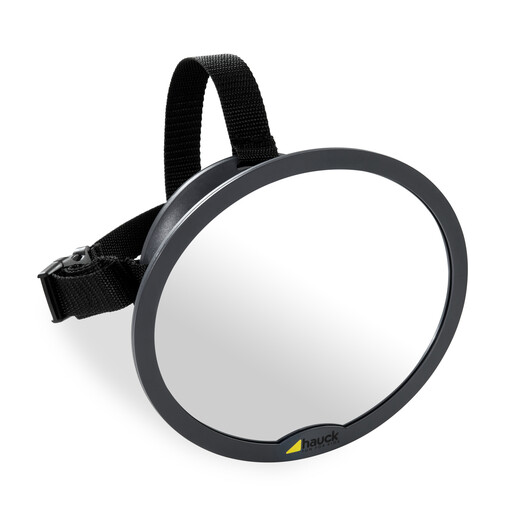
Why this product is a great fit: Allows the driver to keep an eye on the child in a rear-facing seat without having to turn around. This increases focus on traffic and overall driving safety.
The product directly addresses the safety trap: It is made of shatterproof material and is secured with four straps, preventing it from slipping or falling.
Flexibly adjustable horizontally and vertically for an optimal viewing angle. The wide field of view ensures a clear sight of the child.
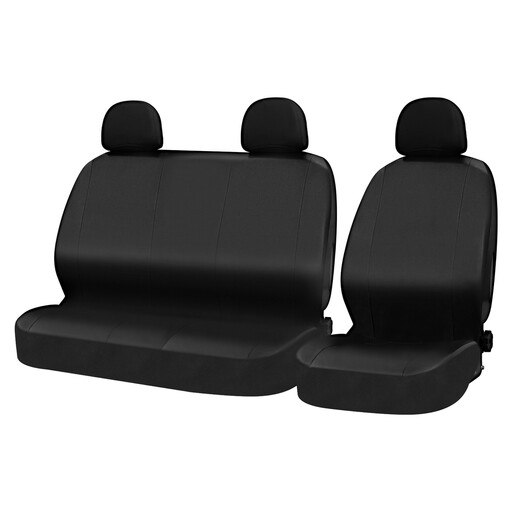
Why this product is a great fit: Ideal for owners of vans or family cars who want to protect their seats from heavy wear, dirt, and spills to maintain resale value.
The product description clearly states its limitations (not for sports seats, integrated headrests, or side airbags), thus avoiding the "universal fit" trap.
The set offers full coverage for the backrests and thick back padding. The material is durable, colourfast, and washable at 30°C.
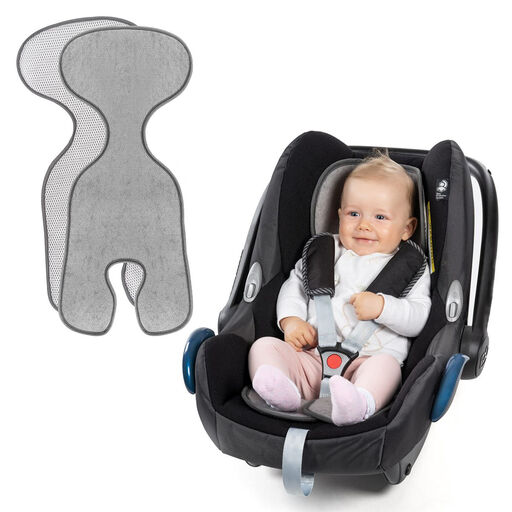
Why this product is a great fit: Specifically designed to reduce sweating for babies in infant carriers on warm days and create a comfortable seating climate. A practical solution for the summer.
Instead of a simple fabric cover, this product offers a technical solution: The 3D honeycomb structure creates an air cushion that actively provides ventilation, thus avoiding the trap of a useless "summer gimmick."
The terrycloth surface absorbs sweat, while the 3D structure ensures ventilation. The liner is machine washable and protects the infant carrier's original cover.
We have compiled a complete, up-to-date list of products that fully meet these strict selection criteria and comply with all relevant safety standards.
1. How do I properly clean car seat accessories like covers or liners? Most textile accessories like seat covers, liners, or summer covers are machine washable. Always follow the manufacturer's care instructions, which typically recommend washing at 30°C on a gentle cycle. Faux leather covers should be cleaned with a damp cloth and a mild soap solution. Avoid aggressive cleaning agents to prevent damaging the material.
2. Can a universal seat protector interfere with my seat heating or side airbags? Yes, it's possible. A thick seat protector can reduce the efficiency of an integrated seat heater. More importantly, for safety: a protector not explicitly designated for seats with side airbags can block their deployment in an emergency. Therefore, it is essential to pay close attention to the manufacturer's specifications regarding airbag compatibility.
3. When does a back seat mirror for babies become useful? A back seat mirror is useful as soon as you transport your child in a rear-facing infant carrier or a convertible car seat on the back seat. It allows you to maintain contact with your child by glancing in your rear-view mirror and to check if everything is okay without having to dangerously turn around. This is relevant from birth until the child transitions to a forward-facing seat.