
Lieferung heute & morgen

Qualitätsgarantie

Willkommens-Angebote freischalten: KOSTENLOSE Lieferung | Bis zu 80 % RABATT | Kostenlose 30-Tage-JoyPlus-Testphase
App herunterladen
Choosing a car seat is one of the most important decisions parents make for their child's safety. However, the market can be overwhelming, filled with marketing promises that complicate the choice. Many well-intentioned purchases later turn out to be impractical or a poor fit for the child and vehicle. As your Joybuy Product Recommendation Officer, I'm here to help you understand the key criteria and avoid common purchasing pitfalls.
Before we dive into the technical details, let's look at the most common misconceptions that often lead to unsatisfying purchases.
To make an informed decision, focus on these three objective criteria. They form the foundation of safety and functionality.
For several years, the more modern UN R129 standard, better known as i-Size, has existed alongside the older ECE R44/04 regulation. An i-Size car seat offers significant advantages:
When making your choice, look for the UN R129 or i-Size label to benefit from these enhanced safety standards.
The method of installation in the car is crucial for the seat's stability.
Your child's development requires different types of seats:
Here are some models tailored to different needs and life stages that meet the core parameters mentioned.
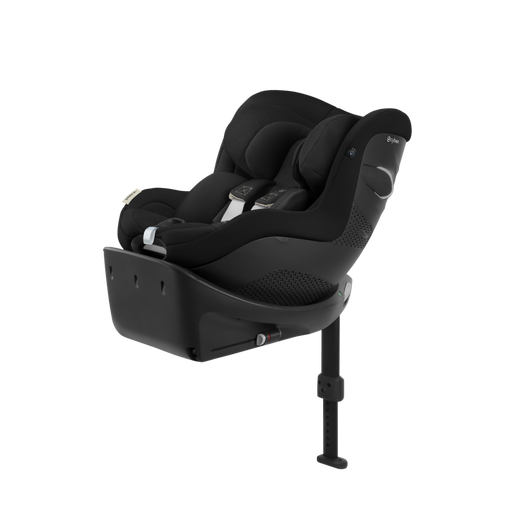
Why This Fits Their Persona: Ideal for parents seeking the highest i-Size safety standards and maximum everyday convenience right from birth. The seat accompanies the child for the first four years.
It is a specialised rear-facing seat for the 0-4 age group and makes no compromises, unlike a 0-12 year seat. The 360° rotation is a convenience bonus built on a solid i-Size safety foundation.
Allows for safe rear-facing travel up to 20 kg. The 360° rotation function makes getting the child in and out and buckling them up significantly easier.
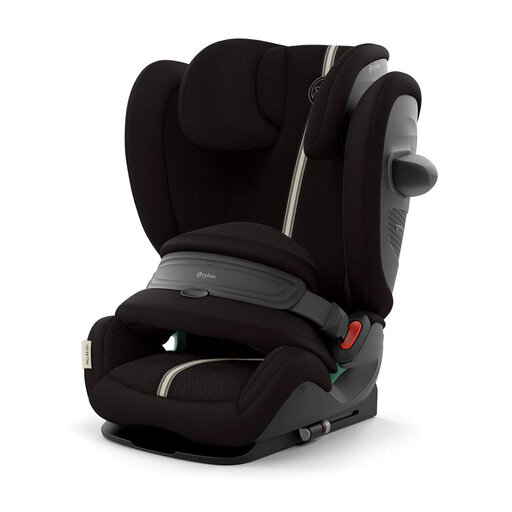
Why This Fits Their Persona: Perfect for families looking for a single, long-lasting investment after the infant carrier stage. This seat grows with the child from 15 months until a car seat is no longer required.
Although it's an all-in-one seat, it avoids the compromise trap with a clever 2-in-1 system: first with an impact shield, then converting to a Group 2/3 high-back booster. It meets the strict i-Size standard throughout.
Extremely long usability of over 10 years. According to the manufacturer Cybex, the impact shield reduces the risk of neck injuries in a frontal collision.
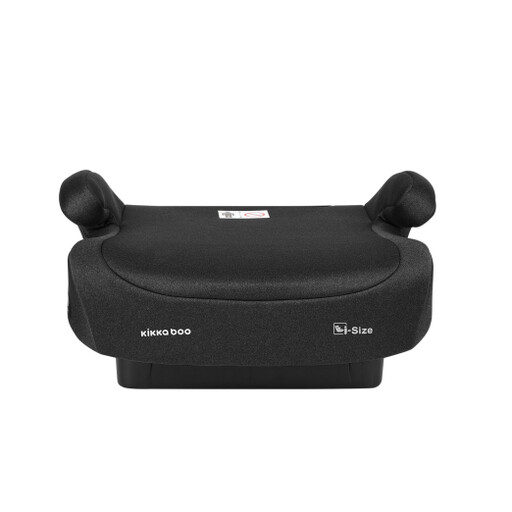
Why This Fits Their Persona: A lightweight and straightforward booster seat for older children (125-150 cm) that needs to be moved quickly between cars. Ideal for occasional trips with the grandchildren.
This booster seat focuses on a single task: ensuring correct seatbelt positioning for older children. It is i-Size certified, meeting current safety standards without unnecessary complexity.
Very lightweight and compact, which simplifies installation, removal, and storage. It installs quickly using the vehicle's 3-point seatbelt.
In addition to the seat itself, thoughtful car seat accessories can significantly improve comfort and daily usability. A summer cover for the car seat, made from materials like cotton or bamboo viscose, can reduce sweating on hot days and create a more pleasant seating environment. Models like the Cybex Solution X summer cover are custom-fit and easy to wash. For added comfort on long journeys, harness pads like the Hauck Strap Pads can prevent pressure points.
We have compiled a complete, up-to-date list of products that fully meet these strict selection criteria and safety regulations.
1. How long should my child travel in a rear-facing car seat? The i-Size standard (UN R129) mandates rear-facing transport until at least 15 months of age. However, safety experts and automobile clubs recommend keeping children in a rear-facing seat for as long as possible, ideally up to four years old. This position offers superior protection for the head and neck in a frontal collision.
2. Can I use a second-hand car seat? This is generally not recommended unless you know the seat's complete history and fully trust the previous owner. Even invisible hairline cracks in the plastic shell, which can occur after a minor accident, can compromise its protective capabilities. Furthermore, car seats have an expiration date (usually 6-10 years from the date of manufacture) because the material becomes brittle over time.
3. When is the right time to switch from an infant carrier to the next stage car seat? The switch should not be made too early. It is only necessary to change seats when your child's head extends past the top edge of the infant carrier, or when they exceed the maximum permitted weight or height. Feet touching the vehicle's backrest is not a safety concern and is not a reason to switch. The infant carrier provides the best protection for the youngest babies.